

Lens care in Samsun considers intraocular lens options and contact lens use alongside eye health, visual expectations and follow-up requirements.
The word lens can refer to surgically implanted lenses or contact lenses worn on the eye surface. Their suitability criteria and care needs differ. During an assessment with Assoc. Prof. Muhammed Mustafa Kurt, MD, it can be clarified which option addresses which problem.
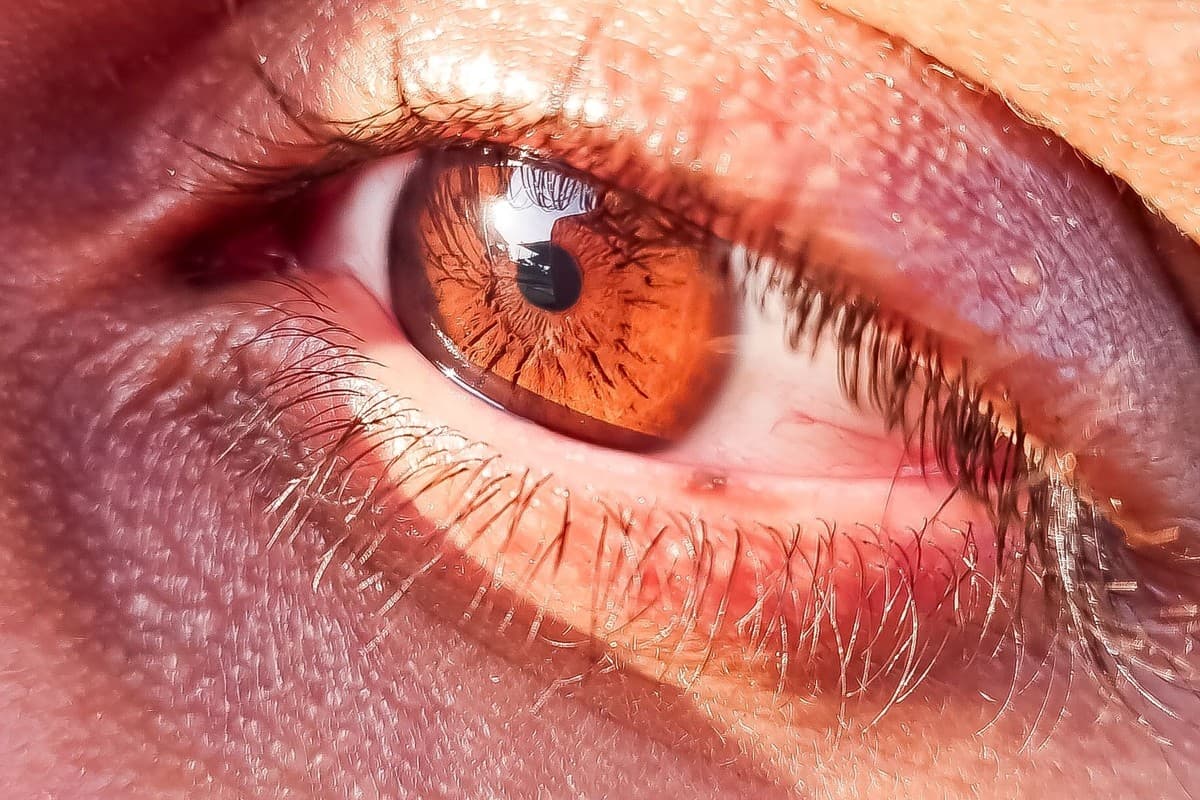
The difference between an intraocular lens and a contact lens
An intraocular lens is placed inside the eye, while a contact lens sits on the cornea. The cornea is the transparent layer at the front of the eye. A contact lens can be removed by its wearer; an intraocular lens procedure requires surgical assessment.
The natural lens forms part of the eye's own focusing system. It becomes cloudy in cataract. An artificial lens used in surgery may replace the natural lens or, in selected cases, be placed in a different position while the natural lens is retained.
Focal range and astigmatism correction options
Intraocular lenses are assessed by their focal range and ability to correct astigmatism. A monofocal lens generally targets a particular distance. Glasses may be needed at other distances; the target distance is discussed in light of the person's needs.
Multifocal and extended depth-of-focus lenses can offer different ranges of vision. Smart lens surgery covers assessment of these options. The toric feature is intended to correct astigmatism and can be combined with different focal designs.
Every design has optical limitations. Halos, glare or contrast-related symptoms may be decisive for some people. Offering more focal points does not mean a design will produce a more suitable result in every eye.
What does the phakic lens approach involve?
A phakic lens is an artificial lens added inside the eye without removing the natural lens. It is considered for some refractive errors alongside alternatives such as glasses and contact lenses. Being unsuitable for corneal laser treatment does not, by itself, establish suitability for this surgery.
For phakic lens surgery, the space at the front of the eye and the cells on the inner corneal surface are important. Prescription stability and retinal health are also examined. Retaining the natural lens does not mean that cataract or other eye conditions cannot develop later.
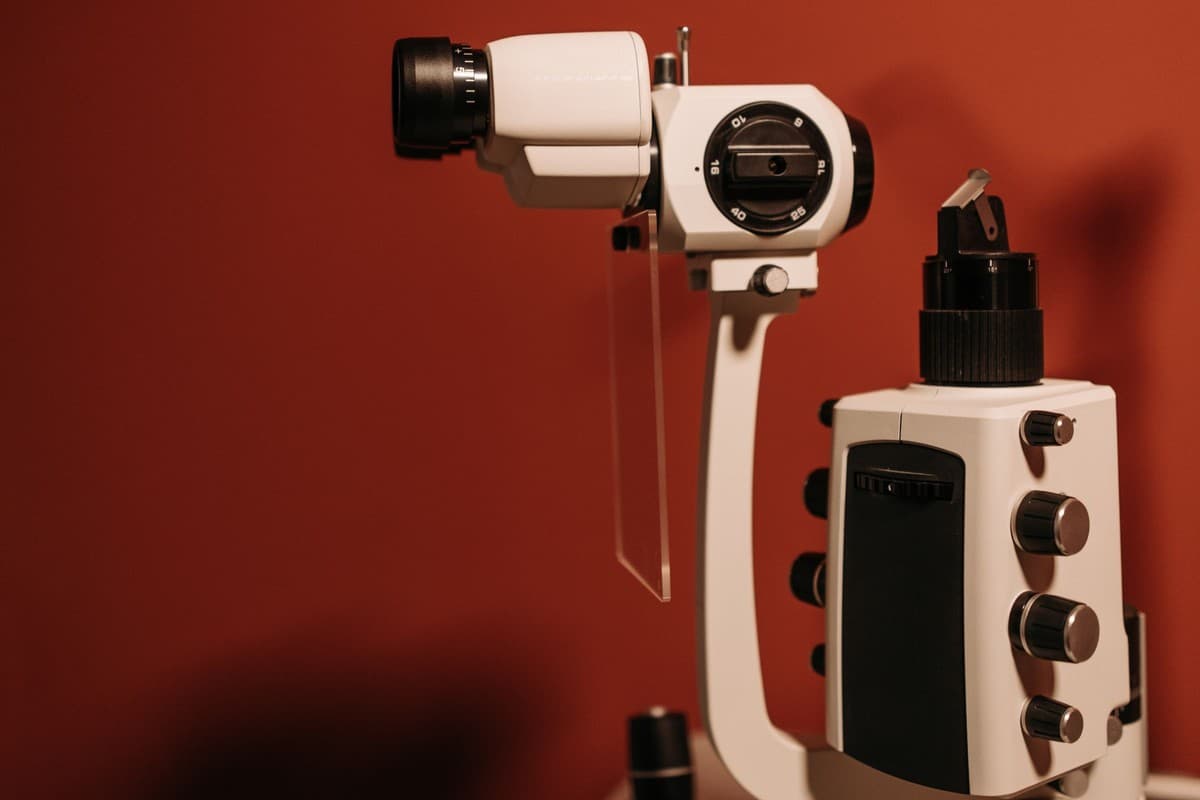
Assessment before lens selection
Lens selection is based on vision measurements and assessment of eye health. At an examination with an eye doctor in Samsun, discuss distance and near vision needs, previous operations and medicines. Habits such as night driving or prolonged close work contribute to the decision.
Biometry, which measures the dimensions of the eye, is used to calculate the lens for surgery. Corneal mapping, examination of the back of the eye and other tests may be added when needed. A retinal or optic nerve problem may not be resolved by changing the lens alone.

Contact lens fitting and daily care
Contact lens use requires appropriate measurements, fitting and care instruction. Knowing only the glasses prescription is not enough. The lens's fit on the eye surface, wearing time and replacement schedule should be assessed.

Wash and dry your hands before touching lenses. Use the recommended solution for the lenses and storage case; do not use tap water or saliva. Showering or swimming in contact lenses may increase the risk of infection.
Do not sleep in daily-wear contact lenses. If pain, redness or blurring develops, remove the lenses and seek assessment. Using unprescribed drops to mask discomfort is not a safe solution.

Follow-up and risks after surgery
Follow-up after intraocular lens surgery assesses lens position and healing of the eye. Pressure changes, infection, inflammation or optical symptoms may occur. Risks should be discussed according to the type of procedure and the characteristics of the eye.
The follow-up plan and return to daily activities are tailored to the individual. Report increasing pain or new reduced vision without waiting for the scheduled check-up. Glasses may still be needed for some tasks despite surgery; choosing a lens does not guarantee a life without glasses.
Lens Care Costs in Samsun in 2026
Cost varies according to different needs, such as contact lens fitting or a surgical lens procedure. The surgical method, lens characteristics, measurements and check-ups affect the scope of care. No single fee or estimated price range is given without an assessment.
Conclusion
Lens care in Samsun is an umbrella topic assessing the purposes and suitability of different lens options. Contact lens care and surgical follow-up involve different responsibilities. Eye health, visual priorities and possible limitations should be considered together when choosing.
Frequently Asked Questions
Are contact lenses and intraocular lenses the same product?
No. Contact lenses are worn on the cornea; intraocular lenses are surgically placed inside the eye.
Is a toric lens necessarily multifocal?
No. Toric describes the ability to correct astigmatism; the number of focal points is a separate feature.
Is the natural lens removed when a phakic lens is implanted?
No. This approach retains the natural lens; suitability and long-term follow-up are assessed separately.
Is a glasses prescription alone enough to choose a lens?
No. The structure of the eye, surface and retinal health, and everyday visual needs are also examined.
About this article
Last updated 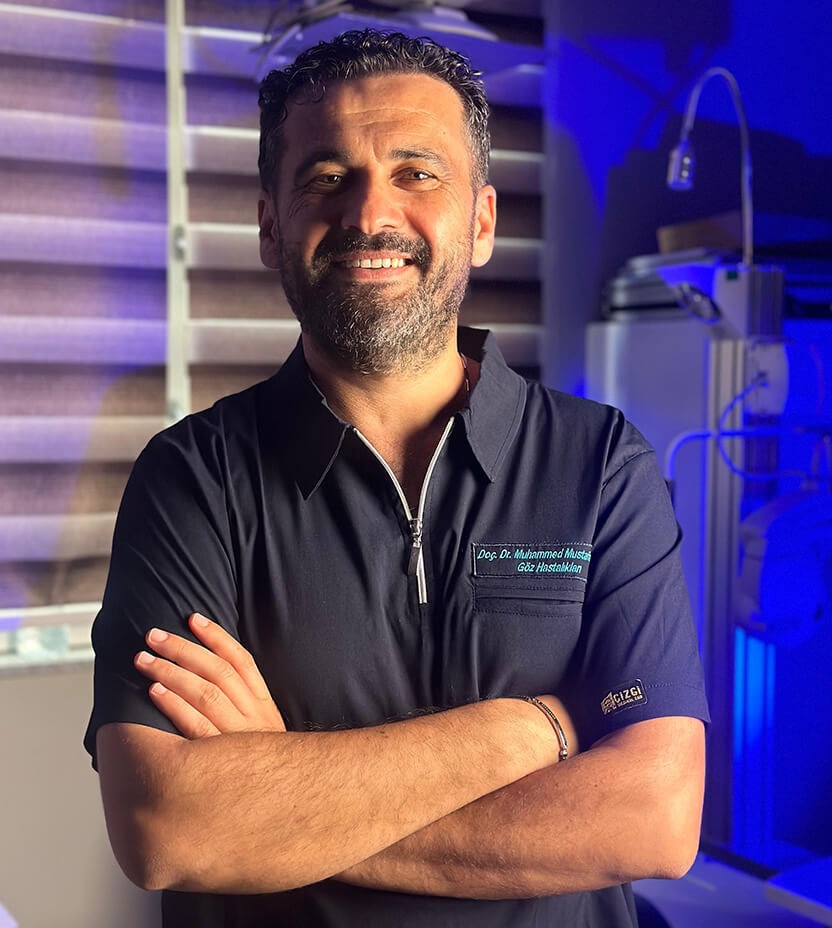
Examination and individual assessmentAssoc. Prof. Muhammed Mustafa Kurt, MD
Ophthalmologist · Atakum, Samsun
- Content preparation
- Adapted from information provided for the practice.
- Medical review
- The content update date does not indicate that a medical review has been performed by the physician.
Source: the Word document titled “Lenses” provided for the practice. No additional medical references were specified in the original text.
This article is for general information and does not replace a medical examination. Diagnosis, suitability for treatment and follow-up are determined individually after an eye examination.