

Glaucoma Treatment in Samsun aims to control intraocular pressure with individually appropriate methods to slow the progression of optic nerve damage.
Glaucoma often progresses without obvious symptoms. Early evaluation is important for preserving remaining vision. Assoc. Prof. Muhammed Mustafa Kurt, MD : the consultation can consider pressure measurements, the optic nerve and the visual field together.
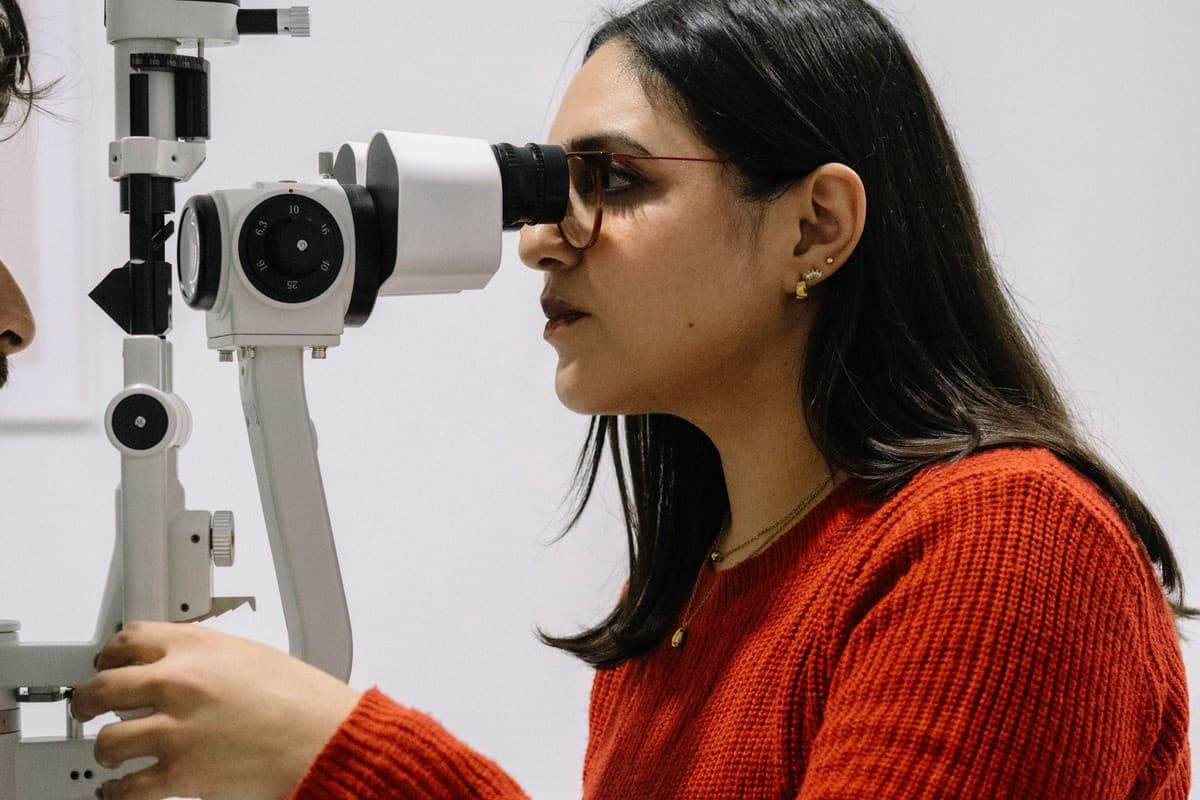
Glaucoma means more than high eye pressure
Glaucoma is a group of diseases characterized by damage to the optic nerve. Elevated intraocular pressure is an important risk factor; however, it is not, on its own, sufficient to prove the disease. In some individuals, glaucoma can develop even with pressures that are considered normal.
When the pressure is high, but no nerve damage is detected, this is considered elevated intraocular pressure. In this situation, a decision regarding treatment or monitoring is made based on the individual’s lifetime risk of vision loss. A single measurement result does not dictate the same approach for everyone.
A symptom-free course and emergency warning signs
In early open-angle glaucoma, the commonest form, everyday vision may feel normal. Peripheral vision loss may initially go unnoticed; an absence of pain does not rule out disease. Family history of glaucoma, age and previous eye findings guide assessment.
Sudden, severe eye pain, redness, blurred vision, halos around lights, and nausea require urgent evaluation. This presentation may be associated with angle closure. Instead of waiting for the symptoms to subside or using random drops at home, it is essential to seek immediate medical attention.
Pressure, optic nerve and visual field assessment
Diagnosis combines intraocular pressure measurement, examination of the optic nerve and visual field testing. Measuring corneal thickness can help with interpreting pressure readings. The eye’s fluid drainage angle is assessed using a specialised examination method when necessary.
OCT can examine the structure of fibres around the optic nerve, while visual field testing investigates loss of visual function. No single examination determines a definitive decision on its own. Samsun eye doctor : bringing earlier measurements and a list of medicines helps assess changes over time.
How is target eye pressure determined?
The target pressure is the pressure level specifically determined for each individual, with the aim of protecting the optic nerve. The stage of the disease, the rate of progression, the initial pressure, and the patient’s overall health status are all taken into consideration. The same measurement can have different meanings for two different patients.
The primary aim of treatment is to reduce the risk of progression while preserving existing vision. Previous nerve damage and resulting vision loss are generally irreversible. If progression is detected despite a decrease in pressure, the target and treatment plan are reassessed.
Eye drops and regular use
Glaucoma eye drops can either reduce the production of eye fluid or facilitate its outflow. Medication selection is made based on visual findings, accompanying diseases, and other medications being used. The timing and dosage of use should be as prescribed, and treatment should not be discontinued despite the absence of complaints.
The applicator should not be touched to the eye or any other surface. Any difficulty in administering the drops, instances of forgetting, burning sensations, or redness should be reported during examination. Some drops may cause side effects related to overall health; if symptoms such as shortness of breath are present, medical support should be sought. Medication changes are planned in consultation with a physician.
Different purposes of SLT and laser for narrow angles
Selective laser trabeculoplasty may help fluid drain from suitable eyes with an open angle. In selected people, it may be considered as a first option or alongside eye drops. Although it may reduce the need for drops, it does not guarantee that they can be stopped completely; pressure monitoring continues after the procedure.
Laser iridotomy, considered for narrow-angle eyes, is a different procedure. It creates a small opening in the iris to improve fluid circulation. Suitability depends on the angle anatomy and diagnosis; these procedures are not the same as laser treatment to correct a glasses prescription.
When is surgery considered?
Surgery may be considered for progressing damage or inadequate pressure control. In some advanced cases, it may be considered earlier. Trabeculectomy, drainage tube procedures and selected smaller interventions address different needs.
Glaucoma surgery : the decision weighs the expected pressure reduction against the risk of vision loss. Risks such as infection, bleeding, excessively low pressure or further procedures should be explained. Surgery does not remove the need for lifelong follow-up, and drops may still be required afterwards.
Why is follow-up more than a pressure measurement?
Follow-up monitors pressure alongside changes in the visual field and optic nerve structure. Measurements are compared over time; a difference in one test does not always mean definite progression. Follow-up intervals depend on disease stage and treatment response.
For daily activities, adequate lighting and occasional visual assistance can be utilized. All medications used, including those containing cortisone, should be reported. Uncontrolled drop usage or following symptoms alone may lead to overlooking a gradual progression.
Glaucoma Treatment Costs in Samsun in 2026
The scope of glaucoma evaluation varies depending on the examination, necessary tests, and the chosen treatment. Drops monitoring, laser treatment, and surgery do not constitute the same service range. The content of the required tests and procedures should be explained following an individual evaluation; treatment should not be selected based on a general fee.
Conclusion
Glaucoma Treatment in Samsun is a long-term process aimed at reducing the progression of nerve damage. Pressure control, regular medication and comparative testing are all important. The need for laser treatment or surgery depends on individual findings; sudden painful visual changes should not be left waiting.
Frequently Asked Questions
Does normal eye pressure rule out glaucoma?
Pressure measured within the normal range does not, by itself, rule out glaucoma. Findings relating to the optic nerve and visual field must also be assessed.
Can I stop the drops because I see well?
Feeling well does not mean damage has stopped. Discuss stopping or changing prescribed treatment with an ophthalmologist.
Will SLT let me stop all eye drops?
Some people may need fewer drops, while others still require them. The decision depends on follow-up of intraocular pressure response and optic nerve findings.
Can glaucoma surgery restore the vision I have lost?
The aim of the surgery is to preserve remaining vision by reducing pressure. There is no guarantee of reversing nerve damage caused by glaucoma.
About this article
Last updated 
Examination and individual assessmentAssoc. Prof. Muhammed Mustafa Kurt, MD
Ophthalmologist · Atakum, Samsun
- Content preparation
- Editorial information prepared using medical sources.
- Medical review
- The content update date does not indicate that a medical review has been performed by the physician.
Source: the article “Glaucoma Treatment in Samsun” on the practice’s existing website. No additional medical references were specified in the original article.
This article is for general information and does not replace a medical examination. Diagnosis, suitability for treatment and follow-up are determined individually after an eye examination.