

Nystagmus Treatment in Samsun aims to investigate the causes of involuntary eye movements and support visual function with methods suited to the individual.
Nystagmus is repetitive, involuntary movement of the eyes. Assessment differs between forms beginning in infancy and those developing later. Assoc. Prof. Muhammed Mustafa Kurt, MD : examination can assess the onset of the movement, visual acuity and head position together.
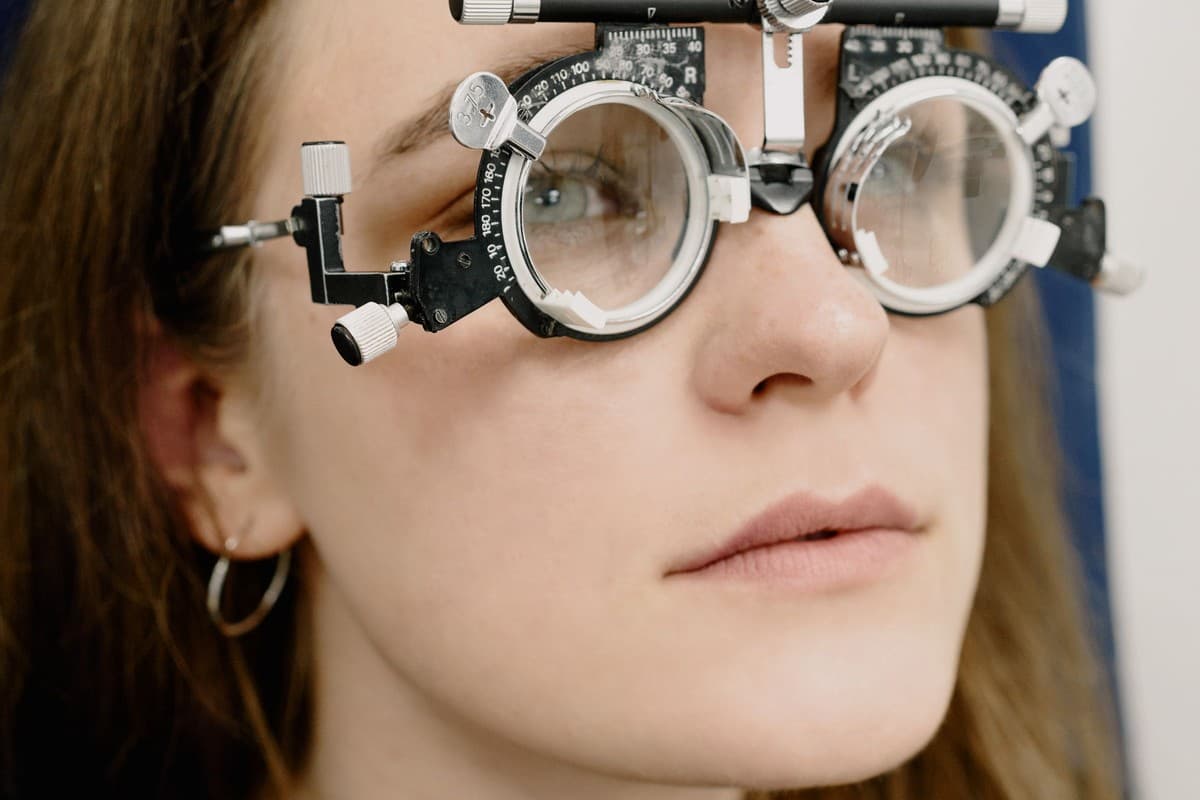
Nystagmus and eyelid twitching are different
Nystagmus involves movement of the eyeball; eyelid twitching refers to small muscle movements in the lid. The eyes may move horizontally, vertically or rotationally. The movement pattern, direction of gaze and effect on vision vary between individuals.
The movements that have been present since infancy do not always accompany the feeling that the image is moving. The sensation of perceiving movement in the environment can develop later, and this sensation is referred to as oscillopsia; however, it cannot always be determined by simply relying on the feeling of movement reported by the individual.
Types beginning in infancy and those acquired later
Nystagmus that begins in infancy may be related to the development of the visual system or eye movements. A family history of similar occurrences, as well as pigmentary differences such as albinism, retinal problems, or congenital cataracts, may be investigated. In some cases, a specific cause cannot be identified.
Delayed movements can be associated with neurological disorders, problems with the balance system, trauma, or certain medications. Current medications should not be discontinued without consulting a physician. Nystagmus does not necessarily indicate the presence of all these diseases; it is identified based on a patient’s history and examination.
Prioritising assessment of sudden symptoms
New eye movements, especially if accompanied by other symptoms, should be evaluated promptly. Sudden inability to walk with dizziness, speech difficulties, weakness, or severe headaches require immediate medical attention. New visual impairment should also not be delayed.
An examination should be performed for newly observed eye movements in children. If there is a white reflection in the pupil, if the eye is not following objects, or if there are any other concerns related to development, these should be reported. Recording the movement on video can be helpful as an addition to the face-to-face examination, but it does not replace it.
How are eye movements and vision examined?
The examination assesses each eye’s vision, movements, prescription and internal structures. Changes in movement with gaze direction and natural head posture are observed. Age-appropriate vision tests and measurements with drops may be used in children when needed.
Samsun eye doctor : describe the onset, family history and medicines in detail at the consultation. Depending on findings, imaging, retinal function tests or neurological assessment may be requested. Not every patient needs the same tests; their purpose is to investigate the suspected cause.
Optical support with glasses and contact lenses
Appropriate eyeglasses can support visual function by correcting refractive errors accompanying nystagmus. The eyeglasses may not completely stop eye movements. Visual acuity should be measured with the correct prescription to evaluate visual gain.
Contact lenses or specialized prism glasses may be considered in some individuals. Lens suitability is evaluated together with corneal and tear film health; hygiene and regular examinations are necessary. Contact lens suitability does not provide the same benefit to all patients; selection is based on visual response and examination.
Head position and surgical options
Some people turn or tilt their head to use a direction of gaze in which eye movement is reduced. This is sometimes called the null point. A natural head position that helps vision should not be forcibly corrected without understanding its cause.
Targeted eye muscle surgery intended to achieve a more comfortable and stable head posture may aim to shift the area of vision to a more easily viewed position. This surgery is not suitable for everyone, and it does not guarantee the elimination of all movements. The possibility of incomplete correction, double vision, or the need for additional procedures should be considered.
Treating the cause and the limits of medication
If nystagmus exists with an identifiable underlying cause, its management involves addressing that underlying cause. In some later-onset types, medication may be considered under the evaluation of a specialist. Medication dosage, duration of use, or a personalized treatment plan should not be determined based on general information.
The same medicine does not have the same effect on every type of nystagmus; side effects may include drowsiness or changes in balance. Eye muscle exercises are not a universal solution either. For accompanying childhood conditions, paediatric eye surgery is considered only if a separate need for surgery is identified.
Supporting vision at school and in daily life
Low vision support aims to maximize the effective use of existing vision in daily activities. Options such as large print, appropriate lighting, magnification, or text-to-speech tools can be selected based on individual needs. Issues including near working distance, light sensitivity, and fatigue are considered together.
Difficulty seeing the board, seating position and extra time for tasks can be discussed with the child’s school. Follow the eye care team’s advice instead of forcing a head position during every activity. Driving suitability depends on vision measurements and the relevant assessment; the diagnosis alone does not determine it.
Which changes matter during follow-up?
The level of vision being monitored, as well as changes in posture and difficulties experienced in daily life, are observed. In children, changes in refractive error and visual development are also measured. The frequency of examinations is determined according to the reason for the condition, age, and chosen treatment.
New instances of double vision, noticeable vision loss, or sudden changes in movement compared to the usual pattern should be reported. The response of glasses, assistive devices, and potential medications should be evaluated together. The goal of monitoring is not simply to reduce the appearance of eye movement, but to meet the individual’s functional needs.
Nystagmus Treatment Costs in Samsun in 2026
The scope of a nystagmus assessment depends on the eye examination, any additional tests needed and the support selected. Optical aids and a surgical assessment are different services. The scope of vision support and follow-up should be explained; a fixed fee or number of procedures should not be given before the diagnosis is clear.
Conclusion
Nystagmus Treatment in Samsun is planned according to the cause of the movement and visual needs. Glasses, aids, selected medicines or surgery can have different purposes. Timely assessment of new symptoms and long-term monitoring of function underpin realistic expectations.
Frequently Asked Questions
Does a twitching eyelid mean I have nystagmus?
Eyelid twitch is not the same as nystagmus. In nystagmus, the eyeball moves. The source of the complaint is identified during examination.
Should I constantly prevent my child from turning their head?
Turning the head may help some children see more easily. Eye movement and neck position should be evaluated together, without forcing a natural posture.
Will glasses completely stop nystagmus?
Eyeglasses initially correct refractive errors. Complete cessation of movement may not be expected; the aim is to achieve and maintain vision and daily functioning.
Is the same operation used for every type of nystagmus?
Surgery is not the same for all types and is not needed by every patient. Head posture, the movement pattern and expected benefits are assessed separately.
About this article
Last updated 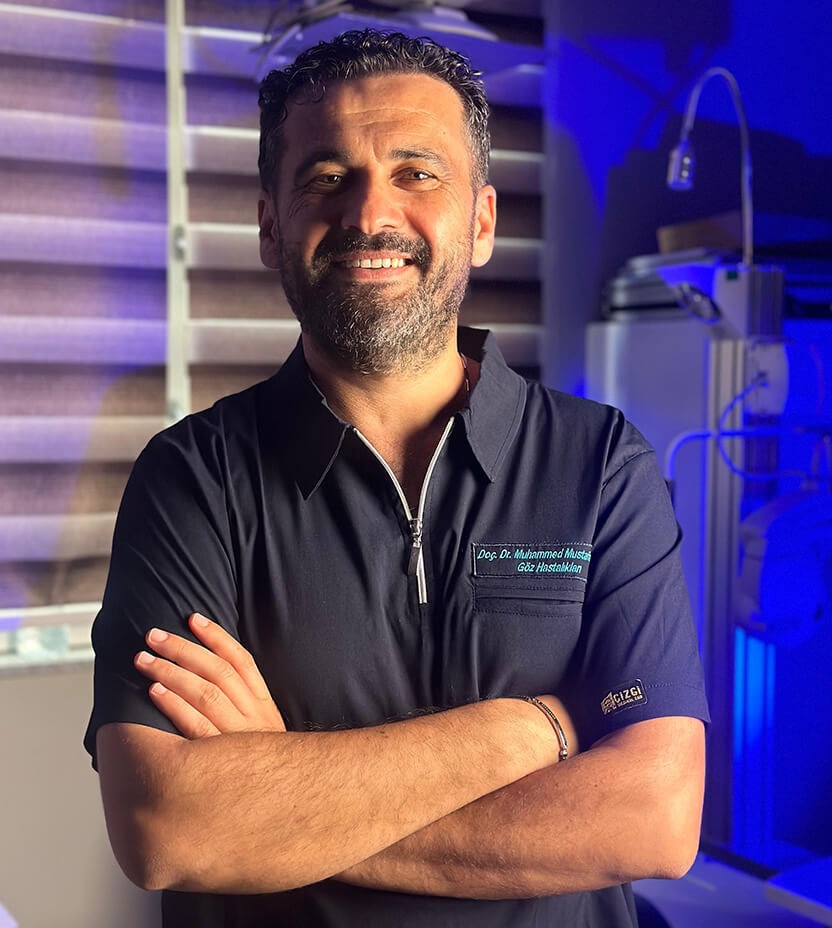
Examination and individual assessmentAssoc. Prof. Muhammed Mustafa Kurt, MD
Ophthalmologist · Atakum, Samsun
- Content preparation
- Editorial information prepared using medical sources.
- Medical review
- The content update date does not indicate that a medical review has been performed by the physician.
Source: the article “Nystagmus Treatment in Samsun” on the practice’s existing website. No additional medical references were specified in the original article.
This article is for general information and does not replace a medical examination. Diagnosis, suitability for treatment and follow-up are determined individually after an eye examination.