

YAG Laser Capsulotomy in Samsun is a laser method applied to target tissue for posterior capsule opacification after cataract surgery and some forms of narrow-angle glaucoma, following examination.
YAG treatment uses Nd:YAG laser technology to create a controlled opening in target tissue without inserting a surgical instrument inside the eye. Its most common use is treating posterior capsule opacification that may develop months or years after cataract surgery. In some narrow-angle glaucoma conditions, it may be used to create a small opening in the iris. Samsun eye doctor : an examination is important to clarify the reason for reduced vision or the risk of raised eye pressure.
Assoc. Prof. Muhammed Mustafa Kurt, MD : assessment considers visual acuity, intraocular pressure, the position of the intraocular lens, the posterior capsule and, when needed, retinal findings. A YAG laser decision is based on the cause identified at examination together with the patient’s visual needs, rather than symptoms alone.

What is YAG Laser Surgery?
YAG laser surgery utilizes neodymium-doped yttrium-aluminum-garnet lasers to create photodisruption in the targeted tissue using very short bursts of energy. This mechanism allows for the creation of a small and controlled opening in the tissue, rather than relying on traditional surgical incisions.
Although the service name includes the word “surgery”, YAG capsulotomy and YAG iridotomy are usually outpatient laser procedures that do not require an operating theatre. Their purpose depends on the condition; procedures performed with the same device do not necessarily target the same tissue or disease.
What Is YAG Laser Capsulotomy?
YAG laser capsulotomy is performed when the posterior capsule, left in place during cataract surgery to support the artificial lens, becomes cloudy later. The laser creates a central window in the capsule to open the visual axis and allow light to reach the retina more clearly.
This is not a recurrence of the cataract. The natural lens was removed during cataract surgery; the structure becoming cloudy later is the capsule behind the artificial lens. Posterior capsule opacification is one possible cause of renewed blurred vision after cataract surgery, but other causes involving the retina, cornea or intraocular lens must also be excluded.
When is YAG Laser used?
The best-established ophthalmic uses of YAG laser are capsulotomy for posterior capsule opacification and iridotomy in certain narrow-angle eyes. Their purposes and target tissues differ. “YAG laser” alone therefore does not mean a diagnosis or a treatment suitable for all eye conditions.
YAG Laser for Cloudiness in the Back Capsule After Cataract Surgery
Following cataract surgery, the capsule behind the artificial lens may become cloudy over time. Patients may experience complaints such as blurred vision, glare, halos, reduced contrast, or difficulty reading. If these symptoms are found to be consistent with capsule clouding during a thorough examination, YAG laser capsulotomy may be considered.
The opacity of the artificial lens is not the same as the opacity of the posterior capsule. When considering artificial lenses, the type of lens, its location, and its optical properties are all important factors. If the cause of vision loss is outside of the capsule, YAG laser treatment may not yield the expected results.
YAG Laser Iridotomy in Narrow-Angle Glaucoma
YAG laser iridotomy may be used to create a small opening in the peripheral iris, particularly in narrow or occludable angles with a pupillary block mechanism. The opening provides an alternative route for fluid between the anterior and posterior chambers.
This procedure is not applied to all glaucoma patients. For open-angle glaucoma, advanced glaucoma, or glaucoma with different mechanisms, the treatment plan may vary. Glaucoma surgeries and other treatment options are evaluated individually based on intraocular pressure, optic nerve damage, and angle structure.
Who is YAG laser suitable for?
YAG laser capsulotomy may be considered when posterior capsule clouding after cataract surgery significantly affects vision and examination findings confirm this. Iridotomy may be planned for anatomically narrow angles, a risk of angle closure or angle closure in an appropriate clinical setting.
Suitability is not determined by age alone. Intraocular lens stability, corneal clarity, retinal status, intraocular pressure and accompanying eye conditions are assessed. Follow-up may require particular care in people with high myopia, previous retinal tears or detachment, glaucoma or intraocular inflammation.
In what situations can the process be delayed?
The procedure may be postponed for active intraocular inflammation, recent macular oedema, uncontrolled retinal disease or corneal clouding that prevents a safe view of the target tissue. If future replacement or rotation of the artificial lens is planned, timing needs separate consideration because opening the capsule can affect the surgical plan.
Due to these reasons, simply stating “I see things blurry after cataract surgery” is not sufficient for YAG laser decisions. It’s necessary to first determine the exact cause of the blurriness.
YAG Laser Pre-Preparation Process
Most patients do not need admission or preparation for general anaesthesia before YAG treatment. Tell the doctor about eye drops being used, previous eye operations, retinal disease and glaucoma. Do not decide on your own to stop regular medication.
Before a capsulotomy, drops can be applied to enlarge the pupil. For iridotomy planning, the pupil and iris should be prepared using different drops. Due to the effect of these drops, temporary blurred vision may occur after the procedure, so it’s advisable to arrange for transportation without driving and to plan travel in advance if necessary.
Eye examination and eye pressure evaluation
Before capsulotomy, visual acuity and the posterior capsule are assessed using a slit lamp. If posterior capsule clouding does not fully explain the reduced vision, assessment of the retina and macula may be needed. Before iridotomy, the structure of the anterior chamber angle and intraocular pressure are key parts of the treatment decision.
For people with a history of glaucoma or elevated intraocular pressure, pressure checks before and after the procedure may be scheduled more frequently. The aim is to identify the area for YAG laser treatment and anticipate possible pressure changes afterwards.
How to perform a YAG Laser Procedure?
The patient sits in front of a laser device, similar to the biomicroscope used in eye examinations. The surface of the eye is numbed with a drop of anesthetic, and a special contact lens may be used to assist the doctor in focusing the laser. While the patient holds their head steady against a chin and forehead support, the target tissue is viewed under a microscope.
In capsulotomy, laser pulses are directed at the cloudy capsule behind the artificial lens to create a central opening. In iridotomy, a small passage is created in an appropriate peripheral part of the iris. Energy and pulse count depend on eye anatomy; the same settings are not used for everyone.
Is there pain experienced during YAG laser treatment?
Because the eye surface is numbed with a drop before the procedure, many patients do not report any noticeable pain. During laser treatments, brief flashes of light may be seen, and clicking sounds may be heard coming from the device. Some patients may experience brief moments of discomfort or a feeling of pressure during iridotomy.
If you experience unexpected pain or any noticeable discomfort during the procedure, it is important that the patient inform the doctor instead of moving suddenly.
How long does a YAG laser treatment last?
The laser procedure itself can often be completed in a few minutes. However, waiting for drops to take effect, examination, post-laser pressure checks and any additional assessment may make the total time at the clinic longer.
The duration of the procedure depends on the density of the capsule, the structure of the iris and the number of laser pulses required. A single fixed duration therefore cannot be assumed for every patient.
YAG Laser Recovery Process
Because YAG treatment does not involve a surgical incision, it does not have the usual wound-healing process of conventional surgery. Nevertheless, vision may fluctuate in the first hours because of the drops, temporary light sensitivity or newly noticed small floaters.
In patients who have undergone capsulotomy, vision may improve relatively quickly depending on the extent of the capsular opacity and its impact on vision. The level of vision is also influenced by the condition of other structures such as the retina, cornea, and optic nerve, as well as the artificial lens.
When does vision become clear?
Some people notice clearer vision on the day of the procedure, while others may remain blurred until the pupil-dilating drops wear off. Vision may become more stable within a few days. However, the level of improvement depends on other eye conditions present before the procedure.
If vision keeps decreasing, a new shadow appears or there is clear worsening instead of the expected recovery, do not wait for the routine follow-up appointment.
When can we return to normal life?
Many people can return to light daily tasks on the same day or the next. However, pupil-dilating drops may temporarily impair vision, so driving on the day of the procedure is not appropriate. Return to work, sport or activities requiring visual attention should be assessed individually.
What should be paid attention to after YAG laser treatment?
Following the procedure, if the doctor prescribes eye drops, it is important to adhere to the recommended frequency and duration of use. Any previously used glaucoma drops or other eye medications should not be discontinued unless the doctor instructs otherwise. The timing of follow-up examinations may vary depending on the type of treatment and the individual’s risk factors.
During the first hours, avoid driving while vision is blurred, avoid activities that could cause a fall, and monitor new eye symptoms. Some people notice small floaters for a short time after capsulotomy; a sudden increase in their number requires assessment.
What are the risks associated with YAG Laser Surgery?
While YAG laser can be performed in a clinic setting, it is not without risks. Potential side effects may include temporary increases in intraocular pressure, mild eye inflammation, the appearance of new floaters, and small laser marks on the artificial lens surface. Most of these effects can be managed through monitoring and, if necessary, medication.
Less commonly, problems affecting vision may develop, including macular oedema, retinal tears or retinal detachment. Risk varies with retinal anatomy, the degree of myopia, glaucoma history, total laser energy used and other eye conditions. Risks should therefore be assessed alongside individual examination findings.
Which symptoms should prompt a visit to the doctor?
Seek an eye examination without delay for sudden or marked vision loss, severe eye pain, increasing redness, intense new flashes of light, a sudden increase in floaters or a curtain-like shadow in the visual field.
These symptoms may signal an urgent retinal problem, so do not wait for the scheduled follow-up. If you cannot reach the team, attend the nearest eye emergency service or emergency department.
YAG Laser Treatment Costs in Samsun in 2026
When researching YAG laser treatment costs in Samsun in 2026, bear in mind that capsulotomy and iridotomy are used for different clinical conditions. The examination required, whether one or both eyes are treated, additional tests and follow-up needs may affect the scope of the procedure.
Therefore, it is not accurate to provide individualized, specific pricing for a service without first conducting a thorough eye examination. Due to regulations regarding advertising and information within the healthcare sector, this page does not include pricing information intended for promotions, discounts, or request creation. This information can be obtained after the relevant healthcare facility has provided the necessary details following the examination.
Conclusion
YAG Laser Capsulotomy in Samsun is a laser method used for different purposes in posterior capsule opacification after cataract surgery and in suitable eyes with narrow angles. Accurate diagnosis, appropriate patient selection and follow-up after the procedure are essential parts of the treatment plan.
YAG laser treatment is not determined solely based on symptoms of blurred vision or eye pressure complaints. Instead, the underlying cause of the problem must first be identified, and then the suitability of procedures such as capsulotomy, iridotomy, or other treatment options should be evaluated. This information is intended for general knowledge purposes only and should not be considered a substitute for personal diagnosis or treatment plan.
Frequently Asked Questions
Can Cataract Recur After YAG Laser Treatment?
YAG laser capsulotomy opens the posterior capsule that has become cloudy after cataract surgery; it does not treat a cataract that has recurred. A true cataract cannot recur because the natural lens was removed. The opened capsule blocking the visual axis again is uncommon in adults.
Does YAG laser damage artificial eye lenses?
The laser is focused through the capsule located behind the artificial lens. Precise targeting and energy adjustment are important; very rarely, small laser marks may appear on the artificial lens surface. Therefore, the procedure is performed under a biomicroscope in a controlled manner.
Can YAG laser treatment be repeated?
Capsulotomy is often sufficient to create adequate opening in most patients. In rare cases, if the opening proves inadequate or if tissue is found that affects the visual axis in a different area, the need for additional laser treatment is evaluated during examination. The adequacy of the iridotomy opening is also assessed during examination.
Can I Drive After YAG Laser Treatment?
On the day of the procedure, it’s best not to drive due to drops and temporary blurred vision affecting the pupils. Driving should only resume once vision returns to normal, and in accordance with the doctor’s recommendation.
Does the prescription for eyeglasses change after YAG laser eye surgery?
Capsulotomy is not intended to change the artificial lens’s basic refractive power. However, once vision becomes clearer, the need for glasses can be assessed more accurately. Whether new glasses are needed depends on measurements after the procedure and any other refractive errors in the eye.
About this article
Last updated 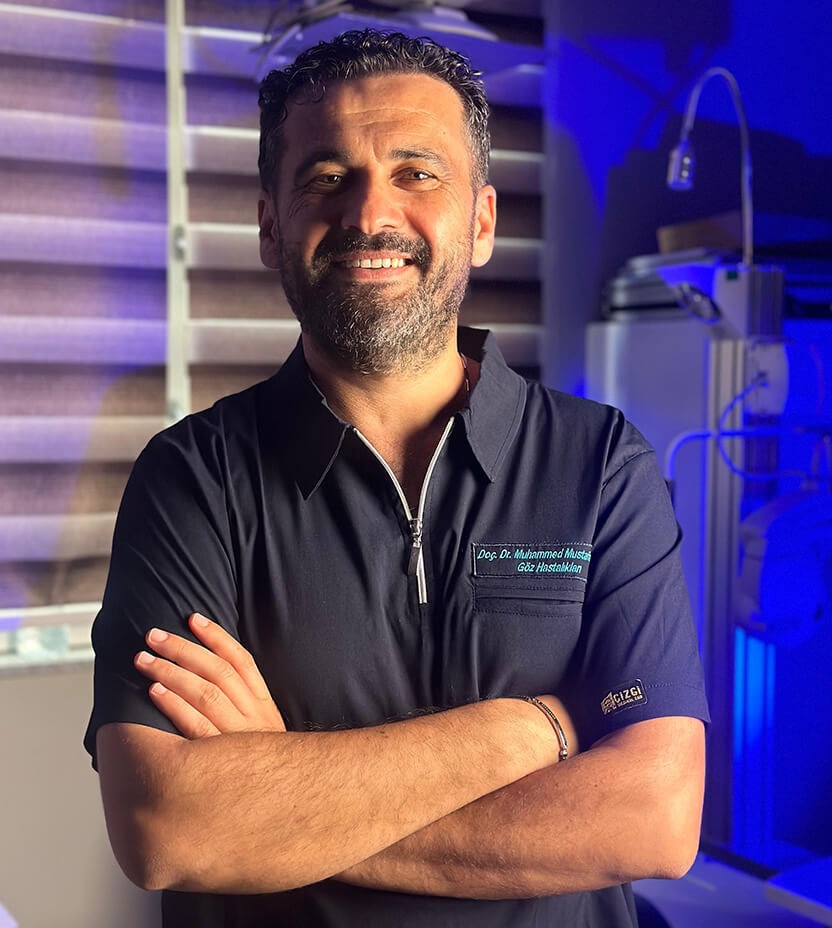
Examination and individual assessmentAssoc. Prof. Muhammed Mustafa Kurt, MD
Ophthalmologist · Atakum, Samsun
- Content preparation
- Editorial information prepared using medical sources.
- Medical review
- The content update date does not indicate that a medical review has been performed by the physician.
This article is for general information and does not replace a medical examination. Diagnosis, suitability for treatment and follow-up are determined individually after an eye examination.