

Myopia Treatment in Samsun includes methods to correct vision in the refractive error that causes blurred distance vision, while also assessing the risk of progression.
Glasses or contact lenses can provide clear vision in myopia, and surgery may be considered for suitable adults. In children, correcting vision and slowing prescription progression are separate goals. Assoc. Prof. Muhammed Mustafa Kurt, MD : assessment can consider age, earlier measurements and eye health together.
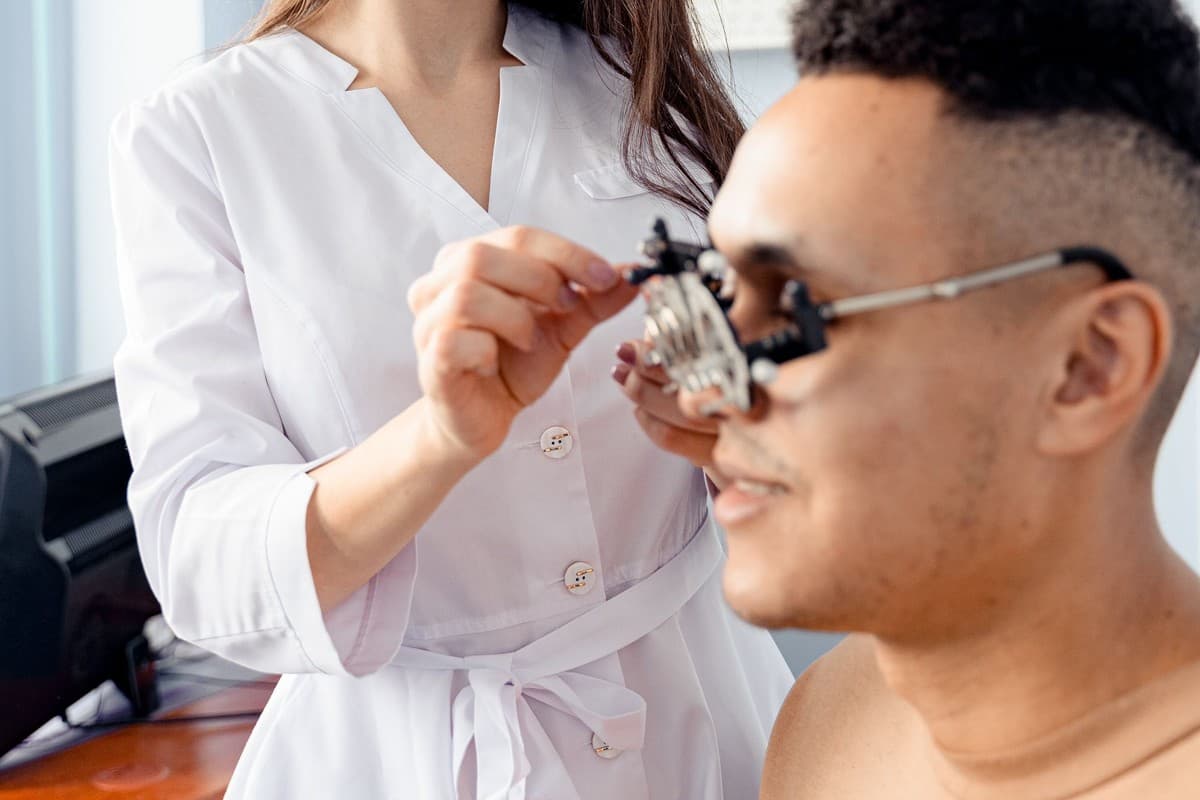
Why is distance vision blurred in myopia?
Myopia causes blurred distance vision because incoming light focuses in front of the retina rather than on it. The retina is the light-sensitive layer at the back of the eye. Excessive front-to-back eye length or the focusing properties of the cornea and lens may cause this. The cornea is the clear surface at the front of the eye.
Although near objects may appear clearer, not every myopic person can comfortably see near distances. This may be accompanied by another refractive error, such as astigmatism, or difficulty focusing at near distances that develops with age. During the examination, not only complaints about distance vision are considered, but also the separate vision of both eyes.
Symptoms and changes in prescription
Difficulty reading distant writing and narrowing the eyes to see clearly are common symptoms of myopia. Children may move closer to the board; adults may struggle to recognise distant faces or road signs. Headache and eye strain alone do not diagnose myopia.
Family history of myopia and prolonged close work with little outdoor time in childhood are associated with risk. Screen use cannot be considered the sole cause of every case. Prescriptions may increase during growth and can also change in adulthood, so previous prescriptions are compared.
Which measurements are taken at examination?
In the diagnosis of myopia, each eye is examined, and the best visual acuity achieved with appropriate lenses is evaluated. Refraction is the measurement of the eye’s refractive error. The automated measurement result is interpreted together with the evaluation using lenses and a comprehensive eye examination.
When needed, children’s measurements are taken using drops that temporarily relax the focusing muscle. The rate of prescription change, family history and any measurements of eye length may affect the follow-up plan. Samsun eye doctor : bringing earlier prescriptions, current glasses and contact lens details to the consultation makes comparison easier.
Correcting vision with glasses
Myopia glasses correct distance vision by helping light focus on the retina. The power of the lens, along with the difference between the two eyes and the suitability of the frame, are all important factors. The frequency of a child’s use of glasses should be explained based on examination findings.
Wearing properly fitted eyeglasses does not make the eyes appear unnatural or increase myopia. Simply seeing clearly with standard lenses does not mean that the elongation of the eyes has stopped. If blurred vision persists despite a new pair of glasses, it is recommended to focus on a comprehensive measurement and reassessment of eye health, rather than simply increasing the lens prescription.
Contact lenses and safe use
Contact lenses can be used in suitable individuals to provide optical correction of myopia. The tear film structure, corneal health, and the individual’s ability to follow care instructions are evaluated. Lens prescriptions may require different measurements than eyeglasses prescriptions.
Clean hands, appropriate care products and the recommended replacement schedule are part of lens care. Keep lenses away from water and do not sleep in them unless specifically prescribed by a doctor. Remove lenses and seek prompt assessment if pain, redness, light sensitivity or reduced vision occurs.
Managing myopia progression in children
Myopia management in children includes considering additional approaches that aim to slow progression while correcting vision. Specially designed spectacle lenses, suitable contact lenses and certain eye drops may be considered for this purpose. The choice depends on the child’s age and changes in measurements.
Orthokeratology temporarily reshapes the cornea using special rigid lenses worn at night. It is not the same as sleeping in ordinary contact lenses; suitability assessment, good hygiene and close monitoring are essential. The risk of contact lens-related corneal infection should be discussed with the family. Any choice of eye drops and treatment schedule must also be determined by the doctor; families should not start treatment themselves.
No approach guarantees stopping the progression in every child. Spending time outdoors and taking breaks from close work are supportive in terms of daily habits, but do not replace the prescribed method. The changes in visual acuity, as well as the measurements, are also monitored.
Laser and lens options for adults
Surgery may be considered to reduce dependence on glasses in adults with a stable prescription and suitable eye structure. Laser vision correction methods change the cornea’s focusing properties. Corneal thickness, topography, dry eye and the amount of correction expected affect suitability.
For some people, an additional lens can be placed inside the eye while retaining the natural lens: phakic lens surgery may be considered. Internal eye dimensions and the cells lining the inner surface of the cornea are also examined. This does not mean everyone unsuitable for laser surgery is automatically suitable for lens surgery.
Laser procedures and intraocular lens procedures have different risks. Dryness, halos around lights, incomplete correction or a renewed need for glasses may occur. Intraocular procedures also involve consideration of pressure changes, infection and lens-related problems. Surgery does not shorten the eye or eliminate the retinal risks associated with high myopia.
High myopia and retinal follow-up
Evaluation for retinal problems is important, even when a spectacle prescription is applied in high myopia. Retinal detachment is the separation of a layer of the retina. The development of this problem does not necessarily mean that it will occur in every individual with high myopia.
Sudden flashes of light, a marked increase in floaters, a curtain-like shadow or a sudden decrease in vision require an eye assessment on the same day. These symptoms should not be left waiting as if they were an ordinary prescription change. The scope and timing of retinal checks depend on findings at the back of the eye.
The follow-up plan after treatment
Follow-up monitors vision, changes in the glasses prescription and the effect of the chosen method on eye health. The response to myopia management in children, corneal health in contact lens users and healing after surgery are important. Follow-up intervals are individual.
Following written instructions regarding post-procedure drops, lens use, and integration into daily activities should be strictly adhered to. Routine follow-up appointments are not expected for increasing pain or any decrease in vision. The need for a new prescription over time should be evaluated separately from age-related changes in near vision.
Myopia Treatment Costs in Samsun in 2026
The cost of a myopia assessment depends on the examination, the chosen correction method and follow-up needs. Glasses, contact lenses, myopia management and surgery are different services. Once any additional measurements and follow-up requirements are clear, cost information can be obtained from the healthcare provider.
Conclusion
Myopia Treatment in Samsun combines vision correction appropriate to age and eye structure with progression management when needed. Method selection is not based solely on the prescription. In high myopia, retinal follow-up and timely assessment of new symptoms must continue even if the need for glasses decreases.
Frequently Asked Questions
Does wearing glasses increase myopia?
Correctly prescribed glasses do not worsen myopia. Prescription changes associated with the eye growing are a separate process from wearing glasses. The need for a new prescription is assessed through repeated measurements.
Does clear vision in a child mean progression has stopped?
Seeing clearly with glasses does not show that myopia has stopped progressing. Vision and changes in prescription are monitored separately. Any need for additional management depends on follow-up findings.
Can retinal checks stop after laser surgery?
Laser correction does not remove the retinal risks associated with high myopia. Continued retinal follow-up may be needed. Seek assessment without delay for sudden floaters, flashes of light or a curtain-like shadow.
If laser surgery is unsuitable, is an intraocular lens essential?
Being unsuitable for laser treatment does not make intraocular lens surgery necessary. Glasses and contact lenses can be used. Suitability for lens surgery is determined through separate measurements and risk assessment.
About this article
Last updated 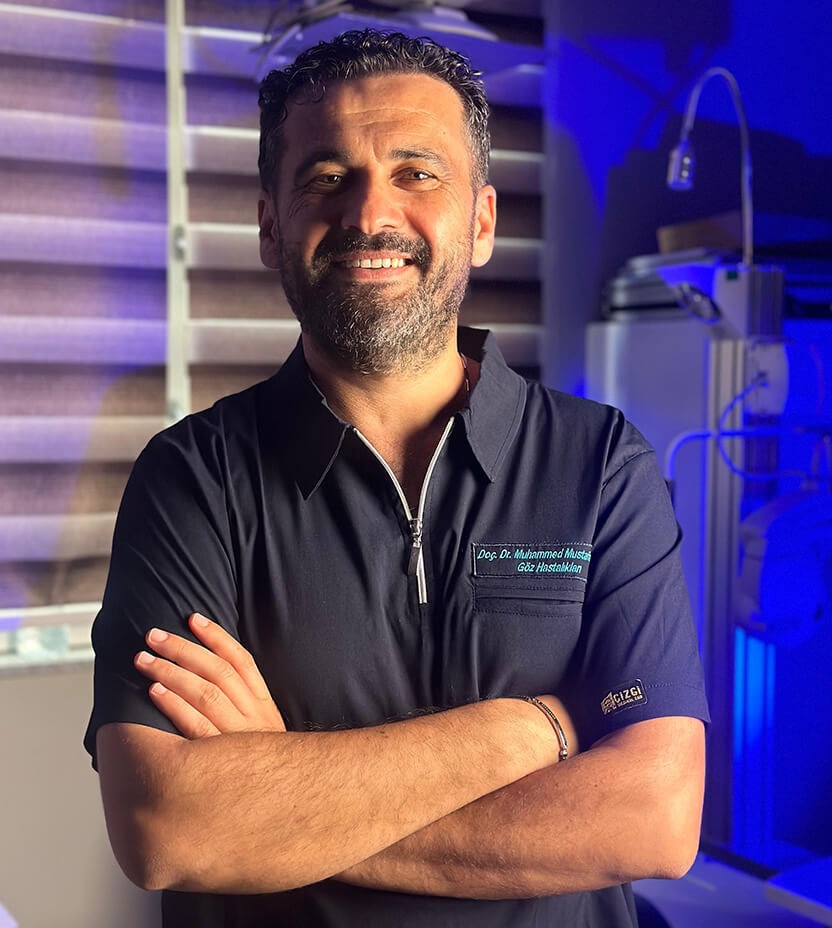
Examination and individual assessmentAssoc. Prof. Muhammed Mustafa Kurt, MD
Ophthalmologist · Atakum, Samsun
- Content preparation
- Editorial information prepared using medical sources.
- Medical review
- The content update date does not indicate that a medical review has been performed by the physician.
Source: the article “Myopia Treatment in Samsun” on the practice’s existing website. No additional medical references were specified in the original article.
This article is for general information and does not replace a medical examination. Diagnosis, suitability for treatment and follow-up are determined individually after an eye examination.