

Eyelid Surgery (Blepharoplasty) in Samsun reshapes excess eyelid tissue; suitability is determined by assessing the ocular surface and eyelid closure together.
The sagging of the eyelid skin, the prominence of fatty tissue, and the downward position of the eyelid itself are not the same problem. Assoc. Prof. Muhammed Mustafa Kurt, MD : assessment considers the source of the symptoms, their effect on vision and eye health. The scope of surgery is determined by these findings.

Blepharoplasty is a surgical procedure performed on the eyelids.
Blepharoplasty is a surgical procedure that addresses excess skin and, when necessary, other tissues in the eyelids. Upper eyelids, lower eyelids, or both can be evaluated. The aim is not simply to remove tissue; protecting the eye and ensuring the eyelids close comfortably are also part of the plan.
Surgery may be considered for concerns about appearance or because excess tissue limits vision. Not every change in appearance requires surgery. The person’s expectations and the needs identified during examination are assessed together; no particular outcome is promised.
Excessive skin tissue can affect daily life.
Significant excess skin on the upper eyelid can narrow the visual field in some individuals. Complaints may include a feeling of heaviness in the eyelids or the need to raise eyebrows to see, and investigations are carried out to determine if difficulties with daily tasks such as reading can be due to various eye conditions.
It is not expected that the surgery will eliminate the need for spectacles or internal eye diseases on its own. If functional impairment is being considered, a visual field test, which measures the area visible, may be requested. This test is not necessarily required in every individual; it is evaluated based on the examination findings.
Distinguishing Excess Skin from Eyelid Drooping
Excess skin is not the same as a low upper eyelid margin. A drooping lid margin is called ptosis and may involve the structures that lift the lid. A lowered brow can also increase the appearance of tissue gathering over the upper eyelid.
Several of these problems can coexist. Removing skin alone may not correct true eyelid drooping, and brow position may need separate attention. Procedures involving the eyelids and surrounding tissues include Oculoplastic surgeries includes different methods for different problems.
Examination of the eyes and eyelids for suitability.
The suitability is determined by examining the eyelid structure and the surface of the eye. Samsun eye doctor : assessment examines vision, the clear cornea at the front of the eye, tears and eyelid closure. Previous operations, contact lens use and symptoms of dryness are discussed.
The height of the eyelid margin, the position of the eyebrows, the amount of skin present, and the support of the lower eyelid are evaluated separately. Conditions such as thyroid disease, allergies, or fluctuating swelling can create similar appearances. In cases of unexplained swelling, it may be necessary to first investigate the underlying condition.
How Do Upper and Lower Eyelid Surgical Plans Differ?
The upper lid may exhibit skin accumulation, the lower lid may show puffiness and support loss, which could necessitate different surgical plans. The upper lid incision is typically adjusted along the natural curve. The amount to be removed is determined in a way that does not impair eyelid function; in each patient, it is not necessary to remove muscle or fat.
The lower eyelid may be approached through the skin or from its inner surface. In some cases, fat is repositioned instead of removed. A loose lid may need additional support. The inner-surface approach does not produce the same result for every type of excess skin.
Pre-operative medications and preparation
Before the procedure, medications, allergies, general health status, and anesthesia plan are reviewed. Anesthesia is a method used to prevent pain during the procedure. All medications used, including blood thinners, over-the-counter products, and herbal supplements, are reported; no medication is discontinued on its own.
If a medication adjustment is required, it is planned in consultation with the relevant physicians. The need for fasting depends on the anesthesia being administered. Cigarette use can affect wound healing; previous use should also be disclosed. Return home on the day of the procedure, and any necessary support at home should be arranged in advance.
The fundamental steps followed during the procedure.
During surgery, the planned eyelid tissues are adjusted and the incision is closed with fine sutures. Local anaesthesia, which numbs the area, is often used. Other anaesthetic options may be considered according to the procedure and the patient’s circumstances.
Measurements and markings made beforehand guide how much tissue is adjusted. Upper and lower eyelids may require different approaches. Procedure duration, same-day discharge and suture care vary individually; a single operating time cannot be specified for everyone.
The initial days and control examinations
Initial swelling, bruising, and sensitivity in the eyelid may be observed. If drops or ointment have been prescribed, they should be used as instructed; hands should be cleaned before application. The eyes should not be rubbed, and wound care should be performed according to the surgical team’s recommendations.
Cold application and keeping the head elevated may be suggested to reduce swelling in some individuals. The method and duration of application depend on the instructions given to the individual. During examinations, wound, sutures, eyelid closure, and eye surface evaluation are assessed; the time for suture removal is determined according to the material used.
Returning to Daily Life and Protecting the Eye Area
The timing of a return to work, sports, and driving is determined based on recovery and vision status. Driving may not be suitable if there is cloudiness, or if the effect of the medication being used is present. The timing of resuming contact lenses and eye makeup is determined based on the results of control examinations.
Sunglasses may be recommended to protect the area around the eyes against sun and wind. It is important that the glasses do not put pressure on the wound. Normal aging continues; it is not expected that the effect of the procedure will be the same for everyone, or that all wrinkles will be eliminated.
Risks and unexpected symptoms
The risks associated with blepharoplasty include bleeding, infection, scar formation, dryness, and differences between the eyelids. Excess tissue removal can make it difficult for the eye to close completely. Changes in position, such as the lower eyelid pulling downwards or turning outwards, may also occur, potentially requiring additional treatment.
Bleeding behind the eye is rare, but can threaten vision. If there is sudden vision loss, severe pain, or rapidly increasing swelling, seek immediate consultation with the surgical team or an emergency eye evaluation. Increasing redness and obvious discharge also require evaluation, as all symptoms are not indicative of normal healing.
Samsun Eyelid Surgery (Blepharoplasty) Prices for 2026
The cost depends on the assessed eyelids and the scope of the surgical plan. Procedures on the upper or lower eyelids may require additional support, different anesthesia, and a different follow-up. A fixed price or an estimated price range cannot be provided without a prior examination; promotional offers or price advantages will not be communicated.
Conclusion
Eyelid Surgery (Blepharoplasty) in Samsun may be considered to reshape eyelid tissues in suitable people. The plan protects eyelid closure and ocular surface health. Expectations, possible risks and follow-up should be considered together; unexpected visual changes during recovery require prompt assessment.
Frequently Asked Questions
Is blepharoplasty with ptosis repair the same procedure?
Blepharoplasty and ptosis surgery are directed towards different treatment options. In blepharoplasty, excess eyelid tissue is adjusted; in ptosis surgery, the mechanism that lifts the eyelid is evaluated. If both conditions are present, different treatments can be considered within the same plan; however, skin removal does not eliminate all instances of eyelid droop.
Will all fat tissue under the lower eyelid be removed?
The aim is not to remove all the lower eyelid fat. Limited adjustment or repositioning may be considered according to tissue volume and surrounding hollows. The choice is based on examination; excessive removal can cause unwanted hollowing and eyelid position problems.
If I have dry eyes, does that change the evaluation for surgery?
Dry eye affects surgical plans and the preservation of the eye’s surface. Initially, the cause of the dryness and whether the eyelids are closing are examined. Treatment may involve more limited surgery or postponement of the procedure; suitability is not determined solely by visual inspection.
Can it be said that the scars from surgery will never be seen?
It cannot be guaranteed that the incision scars will not be visible. The incisions, made along the natural curves, aim to reduce the visibility of scars. These are affected by skin characteristics and wound healing, and the appearance of the scars will vary from person to person over time.
About this article
Last updated 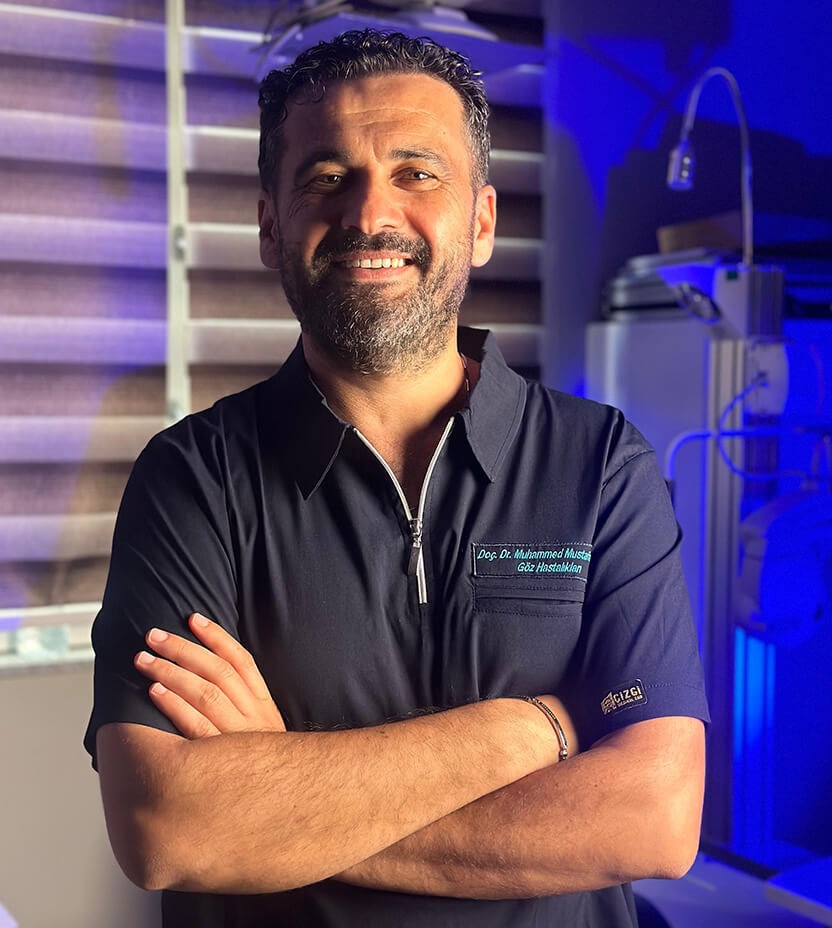
Examination and individual assessmentAssoc. Prof. Muhammed Mustafa Kurt, MD
Ophthalmologist · Atakum, Samsun
- Content preparation
- Editorial information prepared using medical sources.
- Medical review
- The content update date does not indicate that a medical review has been performed by the physician.
Source: the article “Eyelid Surgery (Blepharoplasty) in Samsun” on the practice’s existing website. No additional medical references were specified in the original article.
This article is for general information and does not replace a medical examination. Diagnosis, suitability for treatment and follow-up are determined individually after an eye examination.