
Refractive error care in Samsun addresses focusing problems that affect vision in myopia, hyperopia, astigmatism and presbyopia, with appropriate examination and treatment options.
Difficulty seeing at a distance, reading up close or seeing ghosted images can have different causes. Measuring the prescription is meaningful when considered alongside assessment of the other structures of the eye. During a consultation with Assoc. Prof. Muhammed Mustafa Kurt, MD, everyday visual needs and current glasses can be reviewed together.
Differences between myopia, hyperopia and astigmatism
A refractive error means that light does not focus properly on the retina. In myopia, distant images are generally blurred; the length and optical structure of the eye are associated with this. Squinting or difficulty seeing distant details may warrant assessment.
Hyperopia can increase the effort needed to focus, particularly during close work. Some people compensate through focusing effort. In children with few symptoms, the prescription and how the eyes work together are still assessed.
Astigmatism relates to differences in the refractive power of the cornea or lens in different directions. Both near and distant images can appear blurred or distorted. It may occur with myopia or hyperopia; a headache alone does not establish a diagnosis of astigmatism.

Age-related changes in near vision
Presbyopia is the age-related decline in the natural lens's ability to focus at close range. People may hold reading material further away and seek more light. Its mechanism differs from hyperopia, and it can occur alongside another refractive error.
Reading glasses, glasses with different focal zones or suitable contact lenses may be considered. Selection takes into account reading and screen distances as well as distance vision needs. Using ready-made reading glasses does not replace a comprehensive eye examination.
Measuring the prescription and detailed assessment
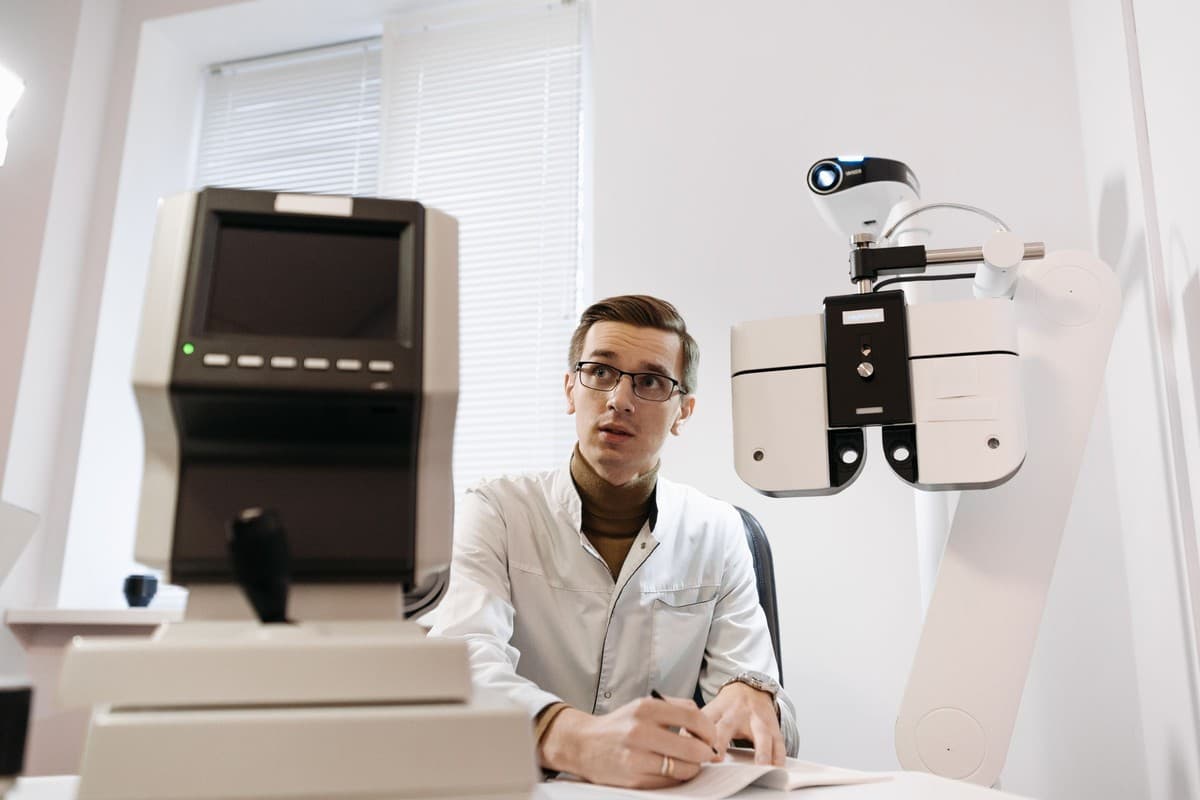
An examination involves more than copying a device's reading into a prescription. An eye doctor in Samsun assesses visual acuity together with how the person sees through different lenses. Previous glasses, prescription changes and medicines should be discussed.
In children and other situations where needed, measurements may use drops that temporarily relax focusing. The eye surface and back of the eye are also assessed according to the findings. Blurring in one eye or sudden blurring should not automatically be attributed to a change in prescription.
Glasses and contact lens options
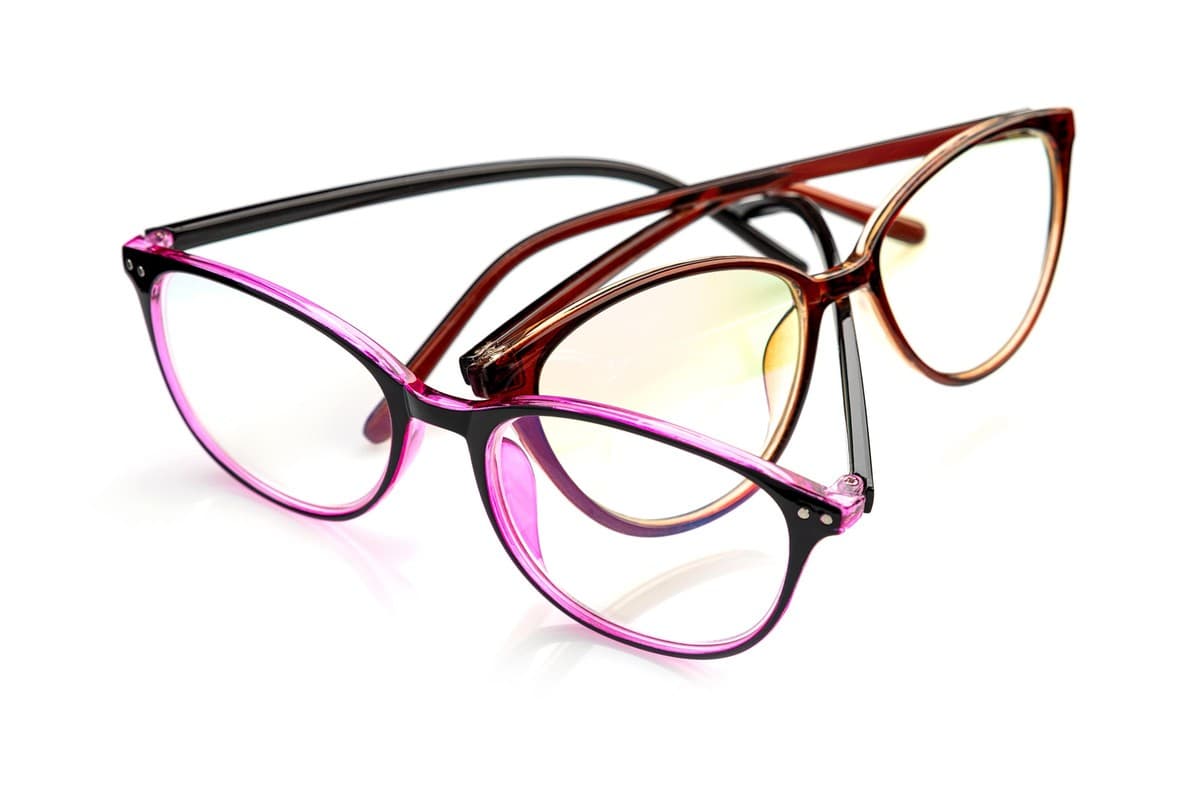
Spectacle lenses provide a clearer image by changing how light is focused. The prescription is tailored to distance and near vision needs. Frame fit and correct lens positioning can affect comfort.
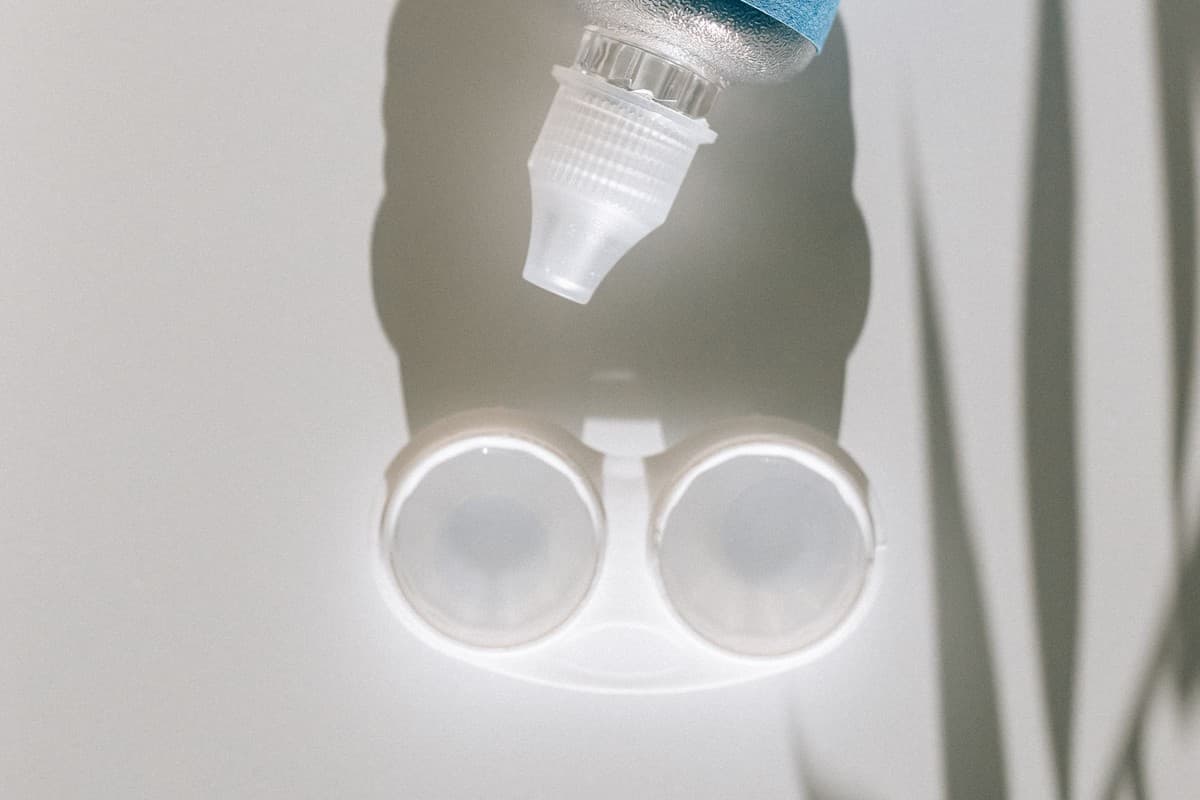
For contact lenses, the eye surface and lens fit are assessed as well as the prescription. Cleaning, wearing time and follow-up should be explained. If pain, redness or reduced vision occurs, remove the lens and seek assessment rather than continuing based only on an old prescription.

How are laser and intraocular options selected?
Suitability for surgery depends on more than the strength of the prescription. Corneal structure, prescription stability, dry eye and overall eye health are assessed together. Laser vision correction aims to change the cornea's focusing properties in selected adults.
Intraocular lens options may also be considered for some people. Each method has different benefits, risks and limitations. Glasses may still be needed after surgery, and age-related changes in near vision are not completely halted.
Prescription changes and follow-up in children
A child's prescription can change as the eye develops. Correcting vision with glasses and measures that aim to slow myopia progression are considered separately. Special optical options or eye drops under medical supervision may be discussed for selected children.
Outdoor activity and breaks during close work are part of daily habits. They do not replace necessary glasses or treatment. The method, side effects and follow-up intervals are determined by the child's findings.
Vision changes that require assessment
Symptoms that persist despite new glasses should be reassessed. Monitoring other structures, such as the retina, may be especially important in high myopia. Sudden flashes, many new floaters or curtain-like vision loss need prompt examination.
Refractive Error Care Costs in Samsun in 2026
Cost depends on the scope of the examination, the measurements needed and the option being assessed. A glasses prescription, contact lens fitting and preparation for surgery are different processes. No fixed fee or estimated price range is given before individual findings are assessed.
Conclusion
Refractive error care in Samsun involves assessing different focusing problems according to age and visual needs. The type of problem and eye health are established first. Optical support, necessary follow-up and surgical options for suitable patients are planned individually.
Frequently Asked Questions
Are hyperopia and presbyopia the same?
No. Presbyopia is an age-related decline in focusing ability; the two conditions can coexist.
Can astigmatism and myopia occur together?
Yes. Both components are considered in the prescription, and an examination determines the appropriate correction.
Is every case of blurred vision caused by a glasses prescription?
No. Problems involving the eye surface, lens or retina may also need investigation; sudden changes in particular should not be left waiting.
Could reading glasses be needed after laser treatment?
Yes. Correcting the distance prescription does not eliminate ageing of the natural lens or presbyopia.
About this article
Last updated 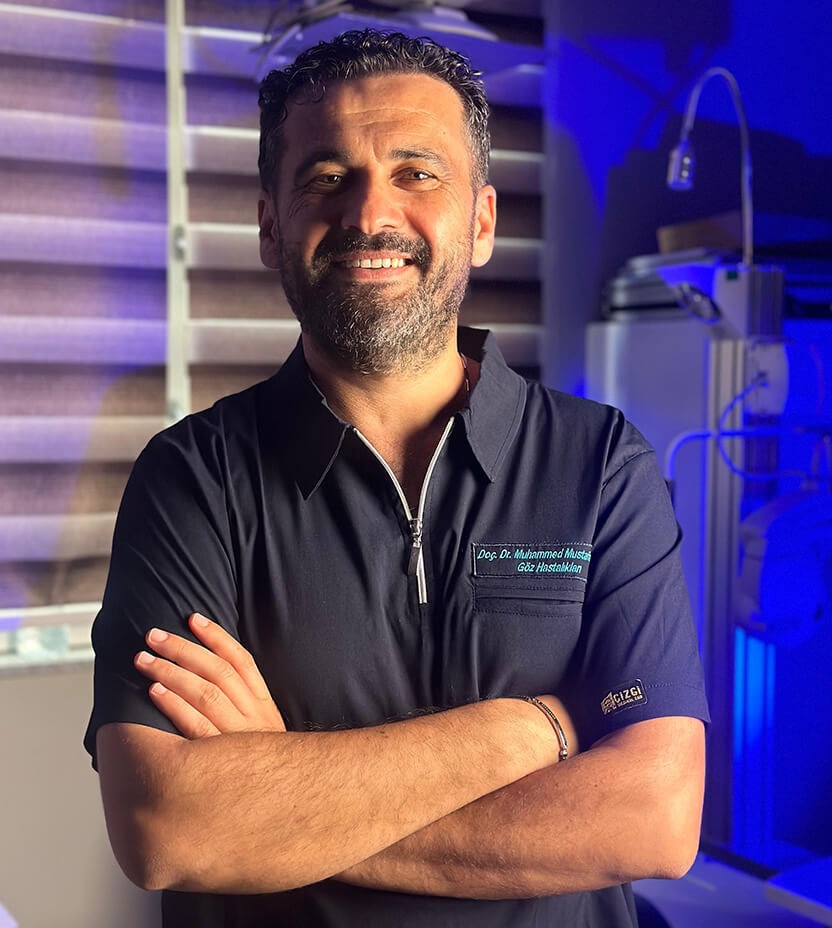
Examination and individual assessmentAssoc. Prof. Muhammed Mustafa Kurt, MD
Ophthalmologist · Atakum, Samsun
- Content preparation
- Adapted from information provided for the practice.
- Medical review
- The content update date does not indicate that a medical review has been performed by the physician.
Source: the Word document titled “Refractive Errors” provided for the practice. No additional medical references were specified in the original text.
This article is for general information and does not replace a medical examination. Diagnosis, suitability for treatment and follow-up are determined individually after an eye examination.