

The aim of a phacoemulsification cataract surgery assessment in Samsun is to determine how much clouding of the natural lens affects daily life and to plan an appropriate surgical option. A cataract diagnosis does not mean that everyone needs surgery at the same time or with the same lens. The decision takes examination findings into account alongside the person’s reading, work and distance vision needs.
What Is Phacoemulsification?
A cataract is a loss of transparency in the eye’s natural lens. Phacoemulsification is a surgical technique in which this cloudy lens is broken up using ultrasound energy and removed through a small incision. An artificial intraocular lens is inserted in its place. Phacoemulsification uses ultrasound; it is different from laser procedures performed on the cornea to reduce the spectacle prescription.
During the surgery, the eyeball is not removed. Instead, a portion of the natural lens’s capsule is preserved to provide support for the new lens. Whether or not sutures are required depends on the specifics of the surgery. It is not accurate to promise a suture-free procedure for every eye, or to expect a specific level of vision based solely on the equipment used.
Who is this surgery for?
Surgery may be considered when blurred vision, glare around lights, fading colours or difficulty seeing at night affect daily activities. However, similar symptoms may also arise from dry eye, corneal disease, a retinal condition or a need for glasses. Surgery is not decided on symptoms alone before determining how much of the reduced vision is caused by the cataract.
In the early stages, a change of glasses and suitable lighting may help some people. It is not always necessary to wait until a cataract is very advanced; equally, surgery is not recommended solely on the basis of age. During the examination, the benefits and drawbacks of waiting, the condition of the other eye and the person’s priorities are discussed.
What measurements are taken before surgery?
Visual acuity, intraocular pressure, the cornea and the back of the eye are assessed. Measurements known as biometry help calculate the power of the lens to be implanted. Previous laser eye surgery, astigmatism, retinal disease or an ocular surface problem may affect the plan. Bringing any previous operation reports to the appointment is helpful.
The medications being used, as well as any allergies and general health concerns, should be communicated to the surgical team. Patients should not discontinue any regular medications (such as blood thinners) on their own. Specific, written instructions regarding anesthesia, whether fasting is required, and medication use on the day of the procedure will be provided to each patient individually. Preparations suggested for other patients found online should not be directly applied.
How Is an Intraocular Lens Chosen?
Lens selection is not based solely on a desire to be free of glasses. Expectations for distance, intermediate and near vision are considered alongside corneal structure, retinal health and existing astigmatism. The advantages of different lens designs should be discussed together with possible outcomes such as halos, glare or a continuing need for glasses.
Before your appointment, you can note the distance at which you most often work during the day, whether you drive at night and any difficulties you have when reading. Alongside “Which lens is better?”, asking “What are the limitations of each option for my eyes?” helps base the decision on individual needs.
How should recovery and follow-up appointments be planned?
Phacoemulsification can often be planned as day surgery; discharge and follow-up arrangements depend on individual circumstances. Blurred vision or mild discomfort may occur initially. Drops are used according to the prescribed plan, and the surgical team’s instructions about rubbing the eye, contact with water, returning to work and exercise should be followed.
When planning a surgical assessment in Samsun, it is helpful to arrange transport and someone to accompany you for follow-up visits as well as for the day of surgery. Returning to driving depends on adequate vision and the doctor’s assessment. It is not safe to assume that a fixed number of days applies to everyone.
Increasing pain, marked redness, a sudden decrease in vision or a new curtain-like shadow require an eye assessment without waiting for the scheduled follow-up. Infection, retinal problems, changes in eye pressure and capsule-related problems should be explained during the pre-operative discussion of risks.
Frequently Asked Questions
Will I No Longer Need Glasses After Phacoemulsification?
No. The chosen lens may require either reading or distance glasses, depending on the remaining refractive errors and other eye conditions. The target vision level should be discussed before surgery.
Can cataracts recur?
A cataract cannot recur in the natural lens that has been removed. However, the posterior capsule supporting the implanted lens can become cloudy over time; its assessment and treatment differ from the original operation.
Are two eyes planned in the same way?
Each eye will undergo its own measurements. While the visual balance between both eyes is considered, the lens power, surgical timing, and follow-up procedures may vary.
About this article
Last updated 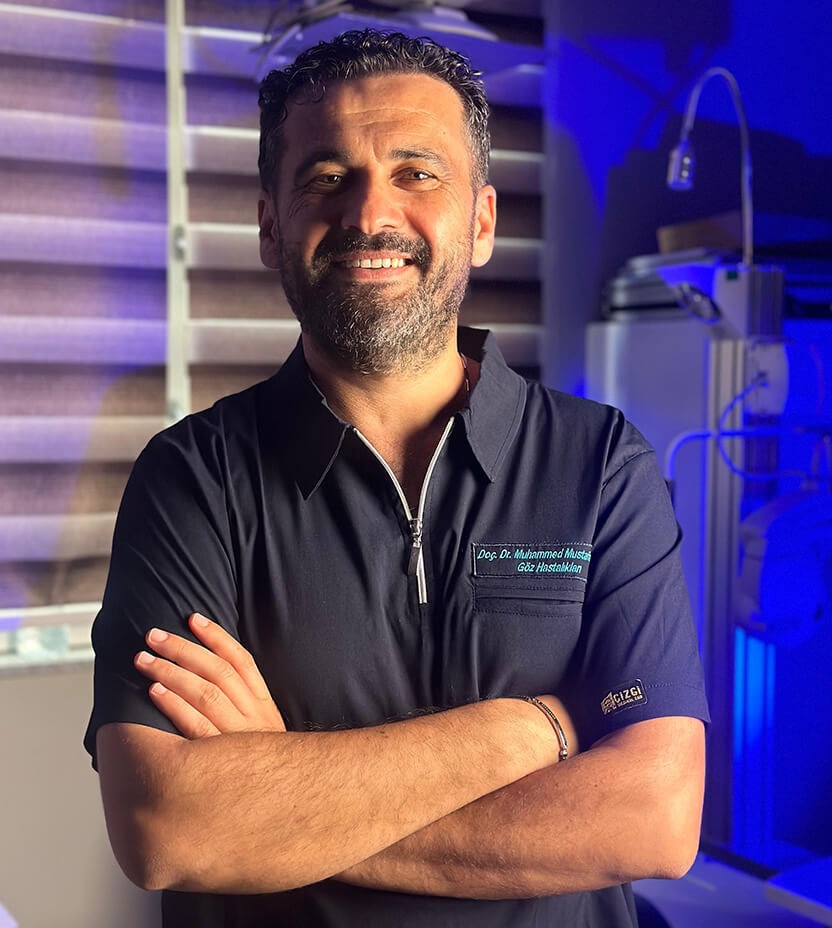
Examination and individual assessmentAssoc. Prof. Muhammed Mustafa Kurt, MD
Ophthalmologist · Atakum, Samsun
- Content preparation
- Editorial information prepared using medical sources.
- Medical review
- The content update date does not indicate that a medical review has been performed by the physician.
This article is for general information and does not replace a medical examination. Diagnosis, suitability for treatment and follow-up are determined individually after an eye examination.