
Ocular Stem Cell Treatment in Samsun requires separate consideration of certain ocular surface conditions and retinal applications that remain under investigation.
The term stem cell does not mean a common solution for every type of vision loss. The site of disease, evidence for the method and its approval status must be assessed separately. Assoc. Prof. Muhammed Mustafa Kurt, MD : assessment can discuss realistic options based on the current diagnosis and scientific evidence.
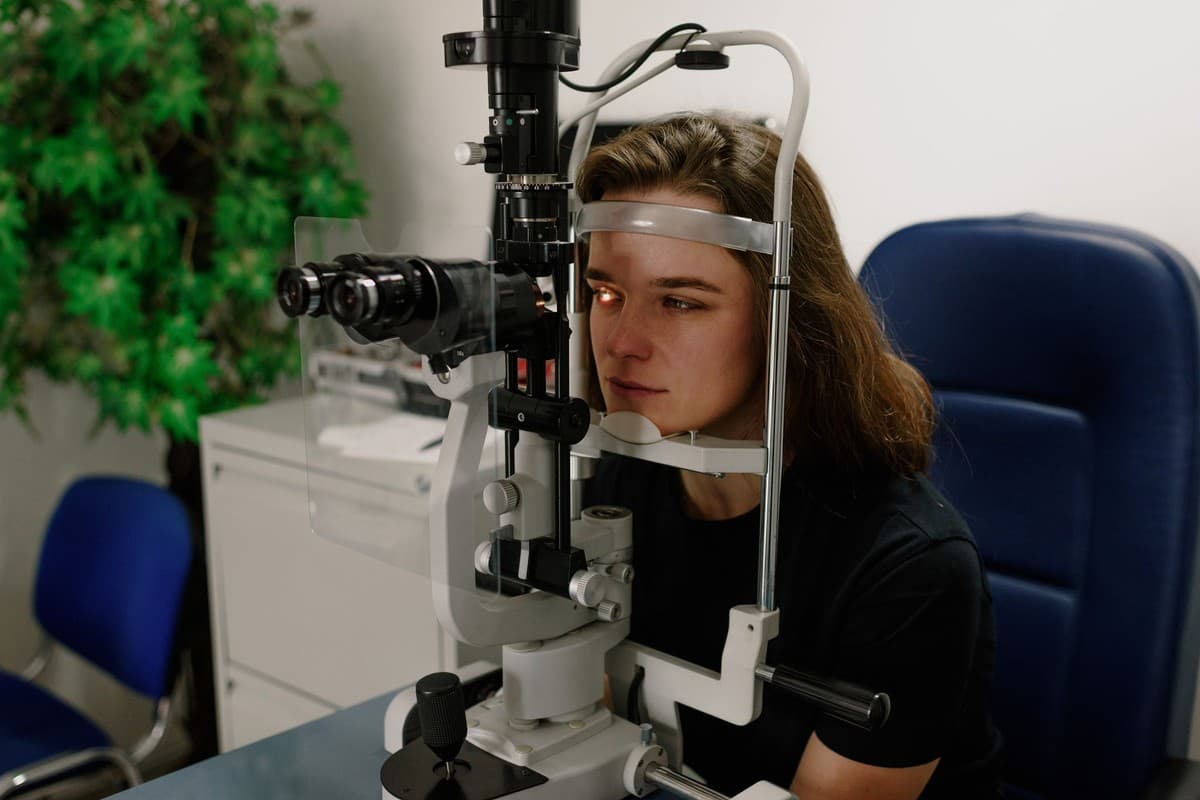
Stem cells and different eye tissues
Stem cells can possess the ability to self-renew and to transform into different cell types under suitable conditions. The cornea, located in front of the eye, and the retina, located behind it, are not the same tissue. The results of an application on one tissue cannot be directly transferred to another eye disease.
The cells that renew the cornea are found in the limbus region surrounding the cornea. Regarding the retina, light detection and supporting functions are carried out by different cells. It is not possible to expect benefit solely from the name of stem cells, without knowing which cell, for what purpose, and by what method is used.
What is limbal stem cell deficiency?
In cases of impaired limbal stem cell activity, the cornea’s regular renewal process may be disrupted. In some individuals who have developed superficial burns, such as from chemical or thermal causes, surface instability and vision problems may be observed. Diagnosis is not solely based on a description of blurred vision; a detailed examination of the corneal surface is required.
Corneal cell or tissue transplantation may be considered in selected cases with the aim of supporting corneal remodeling. It is important to determine whether the cells are from the patient themselves or from a donor. The condition of the corneal surface, the availability of healthy tissue, and accompanying issues will influence the choice of method.
The scope of methods used on the corneal surface
The replication of limbal cells in a laboratory setting may be a component of certain methods. The European Medicines Agency defines the use of a cellular product for specifically selected limbal deficiencies related to eye burns. This scope cannot be extended to encompass the treatment of all corneal diseases or retinal damage.
Healing of the surface does not always mean full recovery of vision. Deeper corneal scars or damage to other eye structures may limit the result, and further treatment may be necessary. Approval of a product in one country does not automatically mean that the same product, or its use at any clinic, is authorised in Türkiye.
What stage has retinal research reached?
Clinical studies are investigating stem-cell-derived tissues for the retina. Studies announced by NEI examine implanting laboratory-grown cells to replace certain retinal cells. Animal experiments and human studies represent different levels of evidence.
Feasibility or safety shown in an early study does not prove that a treatment is effective in all patients or suitable for routine use. Retinitis pigmentosa : in hereditary retinal conditions such as this, the diagnosis, genetic characteristics and existing visual function are assessed separately. An investigational approach should not be presented with a promise of definite visual improvement.
Exosomes and stem cells are different
Exosomes are small particles released by cells; they are not the same product as living stem cells. Their contents, production methods and biological effects may differ. A stem cell study does not prove that any exosome product will produce the same effect.
The name of a product or whether it is derived from a natural source is not, by itself, a guarantee of safety. The FDA has issued warnings regarding misleading marketing and a significant risk of harm related to unapproved regenerative products. These warnings are applicable to the United States; however, the method to be used in Turkey must also be verified, including product and process permits.
Information needed for a suitability assessment
Initially, it should be determined from which tissue the vision loss is occurring, and what current treatment options are available. Vision measurement may require examination of the cornea or retina, and comparison of current and previous records. Two individuals with the same diagnosis may exhibit different tissue damage and prognosis.
Samsun eye doctor : share previous diagnoses, operations and the name of the proposed cellular product during the consultation. Its purpose, application site, scientific publications, scope of authorisation and follow-up plan should be clear. If an intervention is said to replace standard treatment, ask specifically for the evidence supporting that claim.
Distinguishing clinical research from routine treatment
Clinical research examines a question of safety or efficacy within the scope of a pre-defined protocol. Participation depends on meeting specific criteria and informed consent. The mere existence of a study record does not mean that the method is licensed or that its effect is definitively established.
The research team’s responsible group must clearly state the ethical and authorized institution permissions, the control plan, and the conditions imposed on the participant. Participation does not guarantee visual improvement. Online patient reviews or individual test results photographs should not be considered as a substitute for comparative scientific evidence.
Risks and long-term follow-up
Risks vary with the cell type, administration route and accompanying surgery. Infection, inflammation, surface problems or worsening vision must be considered. Some donor-derived methods may require medicines that control the immune response and additional monitoring.
The FDA’s warnings regarding unapproved products include reports of vision loss and other serious adverse events. Using one’s own cells does not eliminate all risks. Any increase in pain, redness, or sudden vision loss following any eye procedure should be evaluated promptly; and scheduled follow-up examinations should continue.
Vision support should not be delayed while awaiting research advances
The use of spectacles and low vision aids can also be considered. Appropriate lighting, magnification, and audio reading devices should be selected according to the individual’s specific daily needs. These are supplementary options intended to support daily function, and their benefit in the method being investigated has not yet been demonstrated.
Current medication or surgical follow-up, appropriate for the diagnosis, should not be discontinued with the expectation of future cellular applications. It is important to measure changes in vision and to share any difficulties experienced in school, work, or daily life. The goals and achievable functions should be discussed openly for each individual.
Ocular Stem Cell Treatment Costs in Samsun in 2026
A decision regarding suitability should not be made without first understanding the scope of a cellular method. Initially, a diagnosis, scientific evidence, and the status of local permits must be explained. Participation in research and routine healthcare services are separate processes. It is not appropriate to suggest an application or a fixed fee to an individual before suitability and permissions are clarified.
Conclusion
Ocular Stem Cell Treatment in Samsun is an area of assessment with different levels of evidence depending on the tissue and method. Selected corneal surface applications are different from retinal research. Confirming the diagnosis, understanding the scope of authorisation and setting realistic expectations underpin decision-making.
Frequently Asked Questions
Can stem cells treat every cause of blindness?
No. The cause of vision loss and the condition for which the method is being assessed are decisive. There is no proven common solution for all conditions.
Can a method used for the cornea also be used for the retina?
The same results cannot be expected. The cornea and retina are different tissues; the purpose of the application must be examined separately, along with the cells and evidence used.
Is there no risk if my own cells are used?
The risks associated with using cells belonging to an individual cannot be completely eliminated. Production, application method, and monitoring safety must also be evaluated.
Are exosome applications equivalent to stem cell treatment?
Exosomes are not living stem cells. The effect or approval of one product cannot be generalised to another; separate scientific evaluation is required.
About this article
Last updated 
Examination and individual assessmentAssoc. Prof. Muhammed Mustafa Kurt, MD
Ophthalmologist · Atakum, Samsun
- Content preparation
- Editorial information prepared using medical sources.
- Medical review
- The content update date does not indicate that a medical review has been performed by the physician.
Source: the article “Ocular Stem Cell Treatment in Samsun” on the practice’s existing website. No additional medical references were specified in the original article.
This article is for general information and does not replace a medical examination. Diagnosis, suitability for treatment and follow-up are determined individually after an eye examination.