

Laser and cornea care in Samsun covers both laser methods to correct a glasses prescription and the diagnosis, treatment and planned follow-up of corneal conditions.
The cornea is the transparent, light-refracting layer at the front of the eye. Procedures in this area serve different purposes. During an assessment with Assoc. Prof. Muhammed Mustafa Kurt, MD, the difference between reducing the need for glasses and managing a corneal condition can be explained.
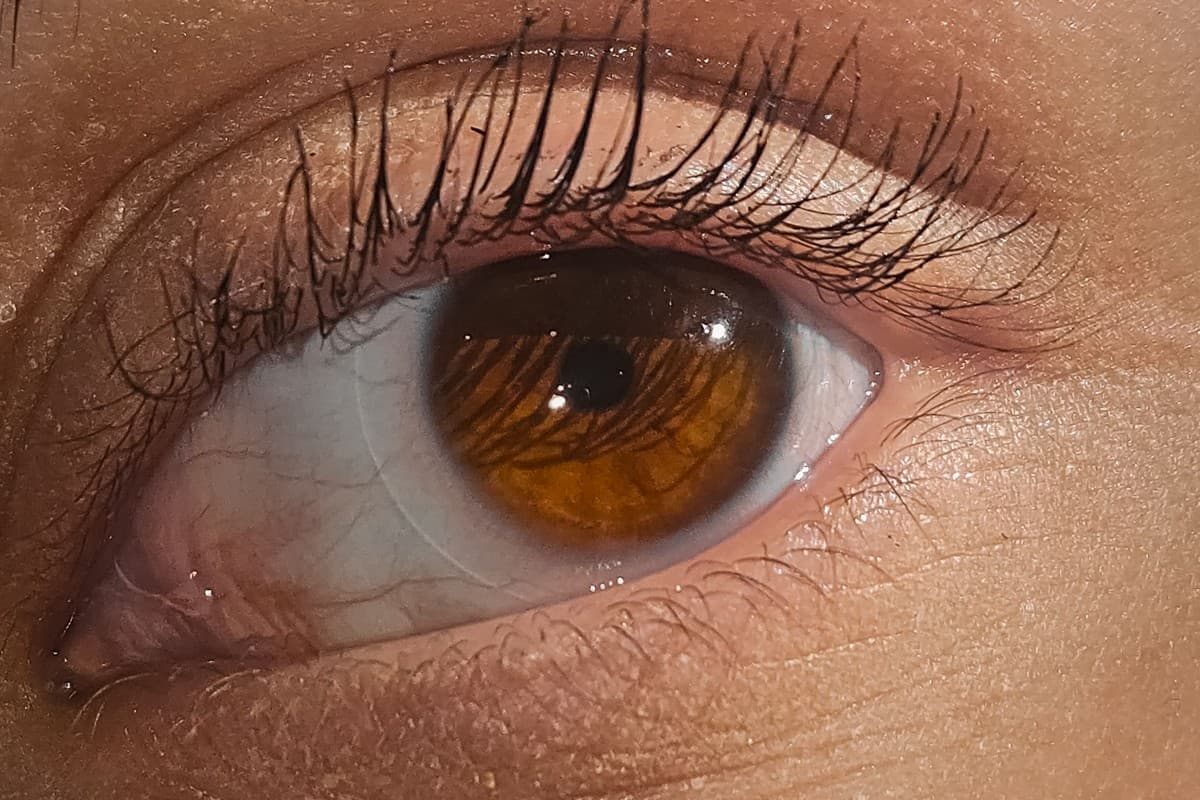
The cornea and visual focus
The cornea helps light enter the eye and focus properly. Its shape, transparency and surface health affect visual quality. Blurring may have causes beyond a glasses prescription; surface problems or corneal irregularity should also be investigated.
Glasses and suitable contact lenses are non-surgical options for some focusing problems. A decision about laser treatment is considered alongside these alternatives. Without an examination, it is not possible to say that a particular method is suitable for an individual.
Laser methods to correct a glasses prescription
Corneal laser treatment aims to change the cornea's focusing power in selected refractive errors. LASIK creates a thin corneal flap and reshapes the tissue underneath. Surface methods such as PRK work through the cornea's surface layer.
SMILE involves removing a small piece of tissue created within the cornea through a limited incision. These methods have different suitability criteria and recovery characteristics. In laser vision correction, these options are assessed against the eye's measurements; one method is not chosen for everyone.
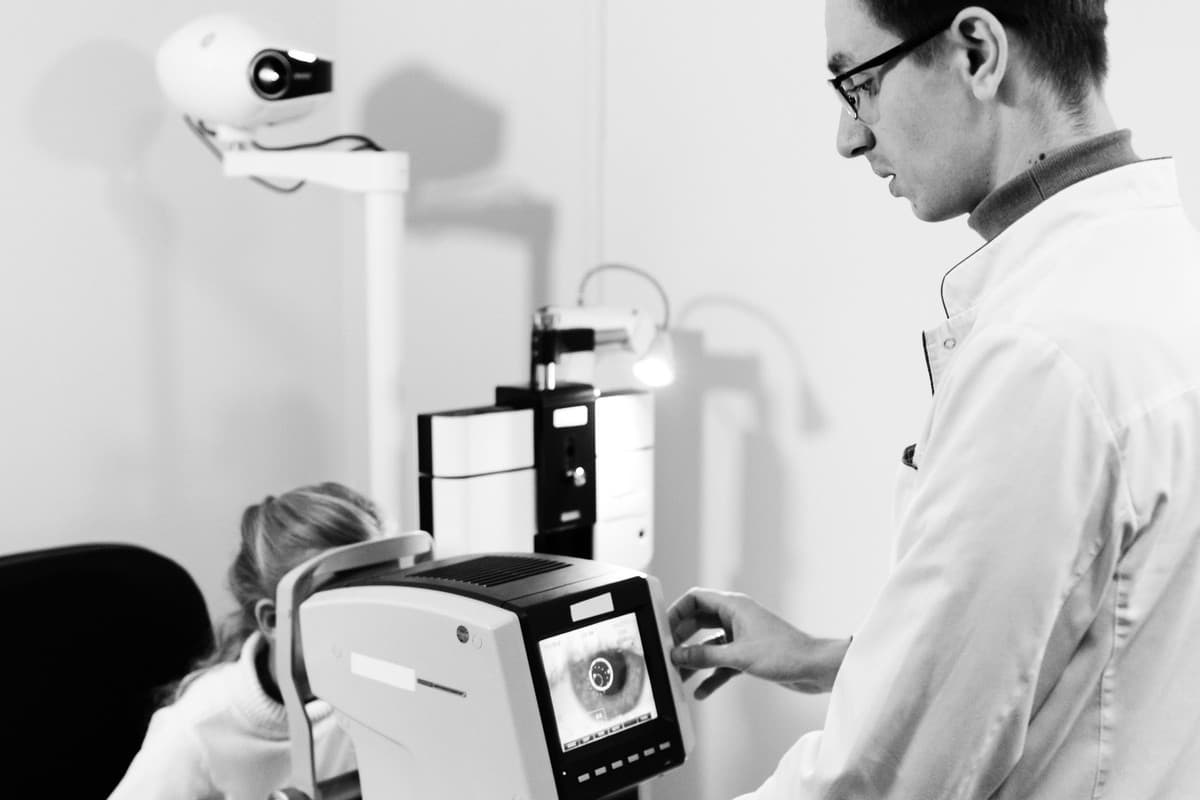
How suitability for laser treatment is assessed
Suitability depends on prescription stability and the structural health of the cornea. At a consultation with an eye doctor in Samsun, discuss your glasses history, contact lens use, medicines and general medical conditions. Age and visual expectations also contribute to the decision.
Corneal mapping, thickness measurement and eye surface assessment are among the necessary investigations. Mapping provides information about the cornea's shape. Findings such as dry eye, infection or suspected keratoconus may change the treatment plan.
Contact lenses can affect corneal measurements. The advised break from lens wear before measurement depends on the lens type and examination plan. A short break chosen without guidance may not ensure that all measurements are reliable.
The aim of keratoconus treatment
Keratoconus can affect vision as the cornea thins and becomes irregular in shape. The glasses prescription may change frequently and images may appear distorted. Keratoconus treatment considers the goals of limiting disease progression and supporting vision separately.
Cross-linking aims to limit progression by increasing the strength of corneal tissue. It is not the same procedure as standard laser vision correction. Glasses or special contact lenses may still be needed after cross-linking, and not every patient needs the procedure.
Special lenses, intracorneal rings or, in advanced cases, a corneal transplant may be considered for suitable patients. Transplantation replaces diseased corneal tissue with suitable donor tissue. Selection depends on the severity of the condition, corneal transparency and current vision.

Corneal health and urgent symptoms
Pain, light sensitivity and new reduced vision should be assessed without delay in corneal problems. The possibility of infection is investigated, particularly in contact lens wearers. Although these symptoms do not definitively identify a particular condition, it is not appropriate to postpone examination.
Suitable protective eyewear helps protect the cornea during work involving a risk of injury. Avoid rubbing the eyes and neglecting contact lens care. Protective equipment does not replace treatment of an existing condition or a vision examination.
Recovery, limitations and follow-up
Recovery varies with the method used and the condition of the eye surface. Temporary stinging, light sensitivity or fluctuating vision may occur. Dry eye, infection, tissue problems and the possibility of further correction should be explained before the procedure.
The return to work, screen use and driving is assessed according to follow-up findings. Prescribed drops and protection instructions are part of the follow-up plan. Laser treatment does not guarantee lifelong freedom from glasses or prevent age-related changes in near vision.

Laser and Cornea Care Costs in Samsun in 2026
Fees depend on the condition being assessed and the scope of the procedure. Corneal measurements, the method, whether one or both eyes need treatment and follow-up are important. Laser treatment, cross-linking and transplantation are different procedures, so no single fixed price applies.
Conclusion
Laser and cornea care in Samsun covers both focusing problems and structural corneal conditions. The purpose of treatment should be clarified first. Suitability measurements, non-surgical options and regular check-ups are fundamental parts of the decision.
Frequently Asked Questions
Is cross-linking the same as laser vision correction?
No. Cross-linking aims to limit progression in keratoconus, while laser vision correction aims to correct a refractive error in a suitable eye.
Does a low prescription guarantee suitability for laser treatment?
A low prescription alone is not enough. Corneal shape, thickness and eye surface health are also examined.
Can I return to work immediately after a corneal procedure?
The same recovery time does not apply to every procedure. The visual demands of the job and follow-up findings affect when you can return.
Does everyone with keratoconus need a corneal transplant?
No. Glasses, special lenses or other approaches may be sufficient; transplantation is considered in selected advanced cases.
About this article
Last updated 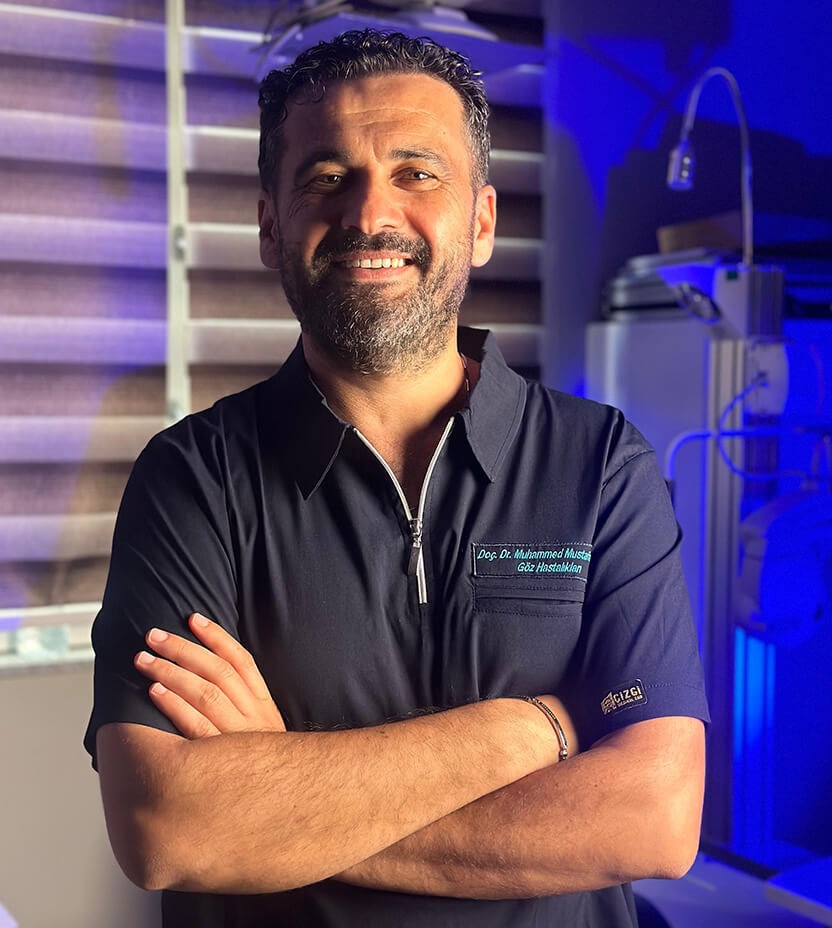
Examination and individual assessmentAssoc. Prof. Muhammed Mustafa Kurt, MD
Ophthalmologist · Atakum, Samsun
- Content preparation
- Adapted from information provided for the practice.
- Medical review
- The content update date does not indicate that a medical review has been performed by the physician.
Source: the Word document titled “Laser and Cornea Care” provided for the practice. No additional medical references were specified in the original text.
This article is for general information and does not replace a medical examination. Diagnosis, suitability for treatment and follow-up are determined individually after an eye examination.