

Cataract care in Samsun includes assessing clouding of the eye's natural lens, determining the need for surgery and planning the choice of a suitable lens.
The cataract category covers related topics from visual symptoms to follow-up after surgery. During an assessment with Assoc. Prof. Muhammed Mustafa Kurt, MD, the condition of the lens, other structures of the eye and everyday visual needs can be considered together.
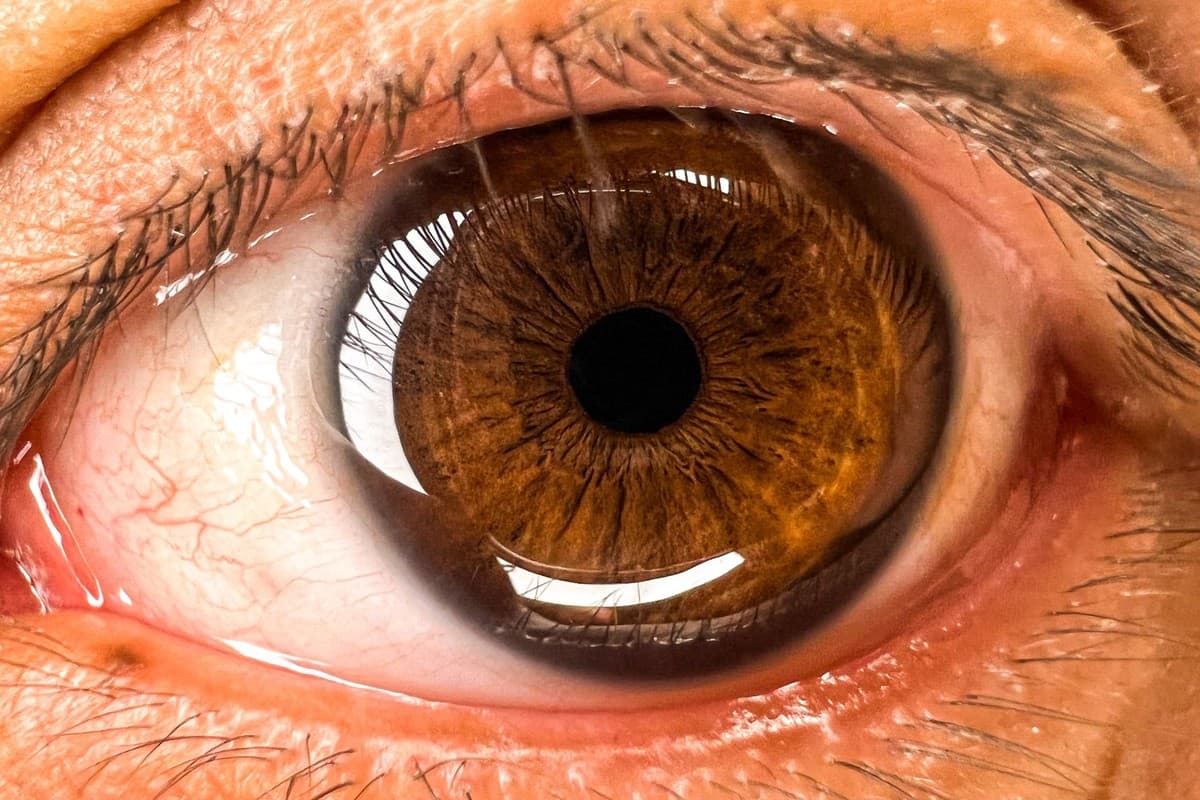
What clouding of the natural lens means
Cataract is a loss of transparency in the natural lens that focuses light. Images may gradually become blurred and colours may appear more faded. Although common with age, cataract can also be associated with injury, some medicines or other health conditions.
Cataract arising in childhood requires a separate assessment. Lens clouding during the period when vision is developing can affect visual development. The same waiting period or surgical plan is not appropriate for patients of every age.

Changes in everyday vision
Difficulty reading, glare in bright light and trouble seeing at night can be related to cataract. Changes in the glasses prescription also matter in assessment. However, similar symptoms can occur with retinal, corneal or eye surface problems.
The decision to operate is not based only on the appearance of the lens. How well the person can continue reading, working or moving around safely is also considered. Appropriate glasses and lighting may help early on, but they do not remove the lens clouding.
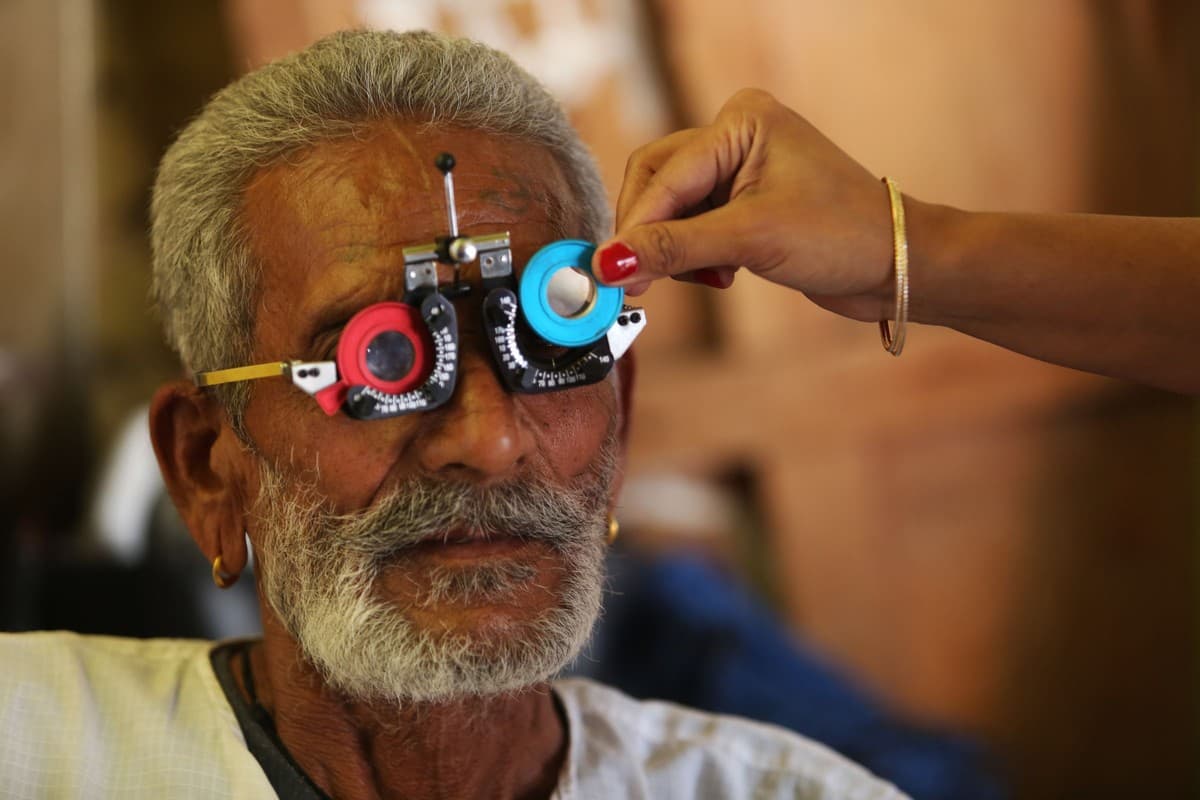
Examination and the decision about surgery
Examination investigates how much cataract affects vision and whether other eye conditions are present. An eye doctor in Samsun measures vision, examines the front of the eye and, when needed, assesses the back of the eye after dilation. Medicines and general health should be discussed.
Cataract surgery is considered by assessing symptoms and examination findings together. Cataract does not necessarily have to become very advanced before surgery. The expected benefits, alternatives and individual risks should be explained before a decision is made.
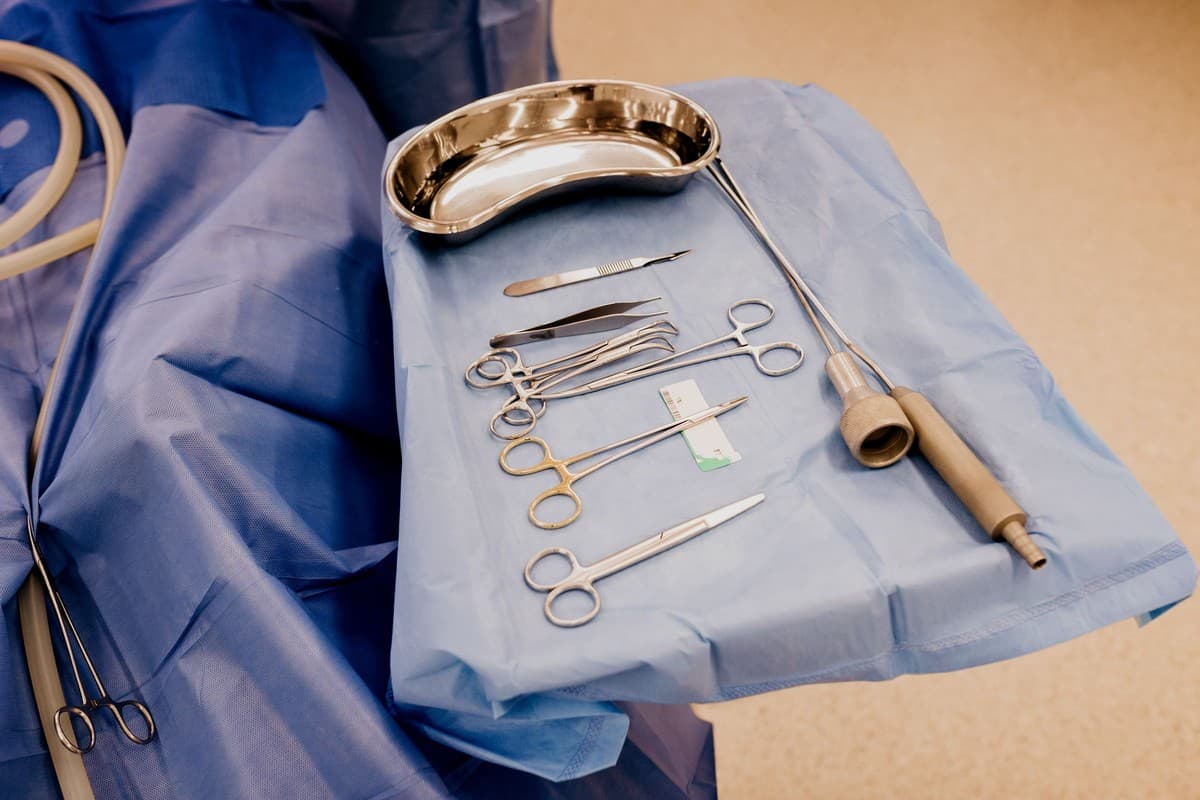
The scope of surgical methods
Surgery removes the cloudy natural lens and usually inserts an artificial intraocular lens. Phacoemulsification breaks the lens into small pieces and removes them. Different techniques may be considered in selected cases; it should not be assumed that every patient will undergo the same method.
Certain laser-assisted steps in cataract surgery are not the same as laser treatment of the cornea to correct a glasses prescription. The surgical plan is explained according to the eye's structure. The benefits and limitations of the methods should be considered alongside alternatives.
Choosing an intraocular lens
Lens selection is determined by eye measurements and the person's visual needs. Types of intraocular lenses include monofocal options, lenses offering different focal ranges and options to correct astigmatism. These features can be combined in different ways within the same lens design.
Retinal, optic nerve and corneal health may affect the choice. Night driving, close work and expectations about glasses should be discussed. No lens guarantees vision without glasses in every situation; possible halos and other optical limitations are also explained.
Preparation and life after surgery
Before surgery, eye measurements needed for lens calculation and a health assessment are performed. Do not change or stop regular medicines without a doctor's plan. Fasting, accompaniment and transport requirements are clarified according to the anaesthesia and circumstances of the procedure.
During recovery, use drops and protect the eye according to the instructions provided. Return to reading, work and driving is assessed using the level of vision and follow-up findings. Sunglasses may reduce light discomfort for some people, but they do not replace treatment or check-ups.

Check-ups and possible problems
Check-ups monitor healing and problems that may affect vision. Infection, pressure changes, swelling or retinal problems are among the risks assessed after surgery. Do not wait for the scheduled check-up if pain increases, marked redness develops or new vision loss occurs.
The capsule behind the lens may become cloudy later on. This does not mean that the natural lens has grown back. A different laser procedure may be considered for suitable patients; new blurring should first be explained by an examination.
Cataract Care Costs in Samsun in 2026
Fees relate to the scope of surgery, lens selection and necessary investigations. Coexisting conditions and follow-up needs are also assessed. Since this category does not involve just one method or a price that applies to everyone, no fixed amount or estimated range is given.
Conclusion
Cataract care in Samsun begins with understanding the cause of lens clouding and its effect on vision. The decision about surgery, lens selection and follow-up are different parts of the same process. Expected benefits, the possible need for glasses and potential risks should all be discussed alongside individual findings.
Frequently Asked Questions
Does a cataract diagnosis mean immediate surgery is needed?
Not always. Visual needs, examination findings and coexisting problems determine the timing of the decision.
Can eye drops completely remove cataract?
There is no standard eye drop treatment that removes an existing cataract. Glasses and lighting may support everyday vision in the early stages.
Is cataract surgery the same as laser vision correction?
No. Cataract surgery treats the natural lens; laser vision correction changes how the cornea refracts light.
Can blurring return years after surgery?
It can, due to capsule clouding or another eye problem. New blurring should not be attributed only to cataract before its cause is established by examination.
About this article
Last updated 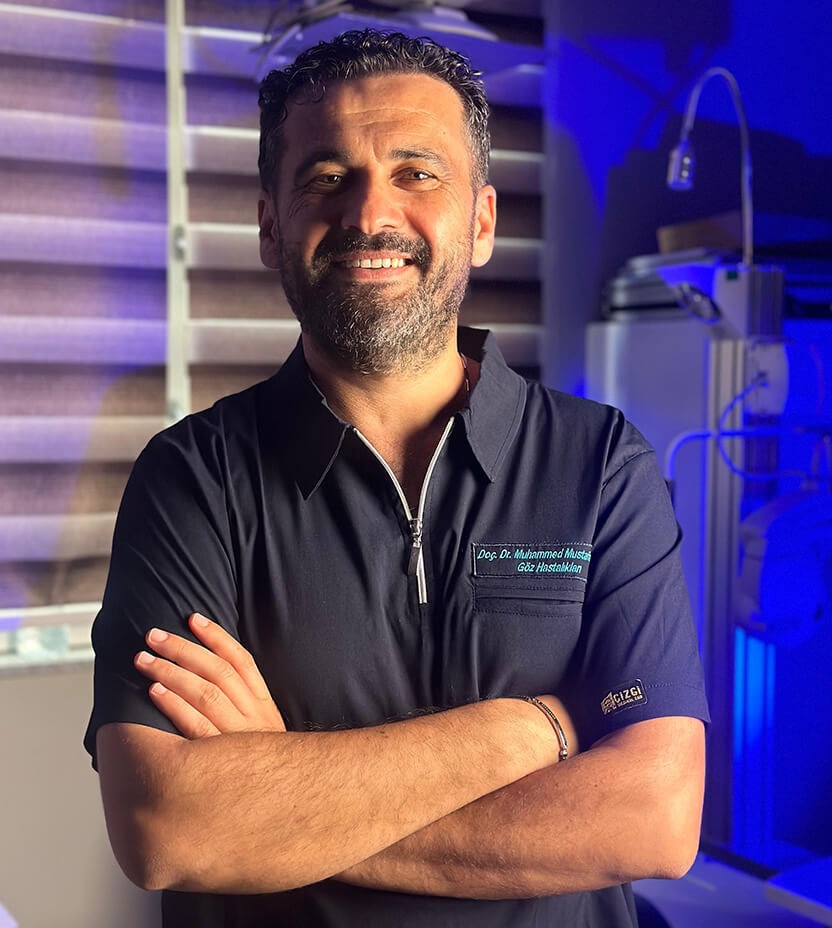
Examination and individual assessmentAssoc. Prof. Muhammed Mustafa Kurt, MD
Ophthalmologist · Atakum, Samsun
- Content preparation
- Adapted from information provided for the practice.
- Medical review
- The content update date does not indicate that a medical review has been performed by the physician.
Source: the Word document titled “Cataract” provided for the practice. No additional medical references were specified in the original text.
This article is for general information and does not replace a medical examination. Diagnosis, suitability for treatment and follow-up are determined individually after an eye examination.