

Samsun Entropion (Eyelid Turning In) Treatment is tailored to the individual, aiming to reduce friction between the eyelashes and the eye surface, and to correct eyelid position.
Eyelash irritation, watering and redness may be more than temporary irritation. An inward-turning lid margin can damage the ocular surface. Assoc. Prof. Muhammed Mustafa Kurt, MD : assessment examines why the eyelid turns, its support and the effect on the front surface of the eye.

What does the inward turning of the eyelid mean?
Entropion is a condition where the inner edge of the eyelid turns inward, causing the eyelashes to touch the eye. It is more commonly seen on the lower eyelid, but can also occur on the upper eyelid. The transparent corneal layer in front of the eye and the thin surface covering the sclera can be affected by this contact.
When the eyelid margin is in its normal position but some eyelashes grow towards the eye, this is called trichiasis. An outward-turning eyelid is called ectropion. Although these conditions may cause similar watering symptoms, their examination findings and surgical requirements differ.
Aging-related looseness, muscle contraction, and wound tissue.
Inward turning may develop from loose eyelid support or traction from scar tissue on the inner surface. Age-related tissue changes are a common cause. Excessive contraction of the muscles around the eye may worsen the turning, particularly in an irritated eye.
Previous injury, burns, infection or some inflammatory conditions may affect the inner eyelid. A lid shortened by scarring requires a different procedure from a lid that is simply loose. Congenital cases are less common; onset and previous treatments are discussed during assessment.
When Do Stinging and Watering Need Assessment?
Entropion can cause irritation, a feeling of a foreign body, redness, and excessive watering. Contact with eyelashes may increase the sensation of discomfort, and it can also be accompanied by crusting or blurred vision. These symptoms are not specific to a single disease.
Continuous rubbing of the cornea can lead to scratches, open wounds, and infections. An open wound on the surface of the eye is referred to as corneal ulcer. If there is pain, noticeable light sensitivity, or decreased vision, a prompt eye examination is necessary; however, risk cannot be determined solely from a photograph of the eyelid.
During the examination, the purpose is to determine the reason and the extent of surface damage.
The diagnosis is made through examination of the eyelid margin and the surface of the eye. Samsun eye doctor : examination assesses whether the turning is constant or intermittent, eyelid laxity and contact from the eyelashes. Visual acuity is measured, and previous eye conditions and operations are discussed.
The biomicroscope is a device that examines the front of the eye using light and magnification. This examination helps to evaluate damage in the cornea and accompanying inflammation. In most cases, advanced imaging is not required for diagnosis; if any unusual findings are present, further investigation is planned on a case-by-case basis.
The purpose of drops and temporary supports is
Lubricating drops and ointments can help reduce friction-related discomfort and protect the eye surface. These aids do not always fully correct the structural changes in the eyelid. The chosen product and method of use are determined by a physician based on the condition of the surface.
For suitable lower lids, special skin tape may be considered to keep the lashes away from the ocular surface. This should be demonstrated during examination; improvised taping or forcibly pulling the lid at home is inappropriate. Support and monitoring may be used together in mild cases or while awaiting surgery.
How Does Eyelid Laxity Affect the Choice of Surgery?
The choice of surgery depends on the degree of eyelid laxity and the mechanism of inward turning. In selected cases, stitches that turn the eyelid outward may be used. In cases of significant laxity, a single stitch may not be sufficient; additional adjustments may be needed to strengthen the horizontal support of the eyelid.
If there is shrinkage related to wound tissue on the inner surface, a different approach or tissue support may be considered. This is called a graft, which is a piece taken from another area and used to support the missing tissue. These options are for the eyelids and surrounding tissues. Oculoplastic surgeries may be considered; a graft is not used in every patient.
Preparation for surgery and the day of the procedure
Before the surgery, a comprehensive assessment of general health, medication usage, and pain control is reviewed. Blood thinners, over-the-counter medications, and any known allergies are reported. If medication adjustments are necessary, these are determined by the physician; the patient should not discontinue medication on their own.
The procedure is typically performed with local anesthesia, meaning the eyelid is numbed. The eyelid is turned to the appropriate position and necessary support is provided with sutures. The scope of the procedure, including hospital stay and need for dressing changes, can vary. The return home and situation regarding assistance and use of transportation are planned in advance.
Home care supplies and wound cleaning
At home, manage dressings, clean materials and prescribed medication according to the surgical team’s instructions. How to clean around the eye and what to use are explained at discharge. Do not press on the eye or wound, and do not rub the eye.
Mild tenderness, bruising and swelling may occur around sutures. Ointment can temporarily blur vision; do not drive while vision is affected. Use drops and ointments according to the plan. You will also be told whether sutures dissolve on their own and when to attend for removal if needed.
Control findings and risk of recurrence
The examination includes assessment of eyelash contact, eyelid position, and corneal healing. The eyelid may return to the inner position, or may be excessively turned outwards. In such a change, additional treatment or another surgery may be required; permanent results are not guaranteed with a single procedure.
Bleeding, infection, scarring, and wound reopening are other possible problems. Any increase in pain or redness, obvious discharge, fever, and vision loss should be reported to the surgical team immediately. Return to sports, swimming, work, and daily activities should be determined based on the recovery findings; this will not be the same for everyone.
Samsun Entropion (Eyelid Inward Turning) Treatment Prices for 2026
Fee assessment takes eyelid support and the scope of the procedure into account. Suture-based repositioning, correction of looseness, tissue support if needed and anaesthetic requirements may differ. Follow-up of ocular surface damage also affects the plan; no price range or promotion is offered without an examination.
Conclusion
Samsun Entropion (Eyelid Inward Turning) Treatment is managed by addressing both eyelid position and the impact on the eye surface. Supportive care may reduce the discomfort; surgical intervention may be necessary in structural abnormalities. Any visual impairment or increased pain should not be delayed, and eyelid position and cornea checks should be continued following the procedure.
Frequently Asked Questions
Do removing eyelashes correct eyelid inversion?
Removing eyelashes does not correct the inward position of the eyelid. It is distinguished in examination whether it is due to eyelash asymmetry or a change in the edge of the eyelid. The eyelashes may grow back; if there is a lid abnormality, the application is focused solely on the eyelashes, but structural problems are also considered.
Does the eye drop return the eyelid to its normal position?
Lubricating drops alone do not always correct structural inward turning of the lid. They may protect the ocular surface and reduce irritation. Treatment needs differ between mild cases where the lid is usually in its normal position and cases with constant eyelash contact.
Can I personally try applying a bandage to my eyes?
The application of tape should be done in the form shown by the physician when appropriate. Incorrect placement can negatively affect eyelid position and skin. It is not suitable for all entropions; the tape and method used depend on the findings during examination.
Are Everting Sutures Sufficient for Every Loose Eyelid?
Suturing alone may not be sufficient when there is pronounced eyelid laxity. Combining this with a procedure that strengthens the horizontal support of the eyelid may be considered. The surgical method is determined not solely based on the severity of the complaint, but according to the tissue support and the reason for the displacement.
About this article
Last updated 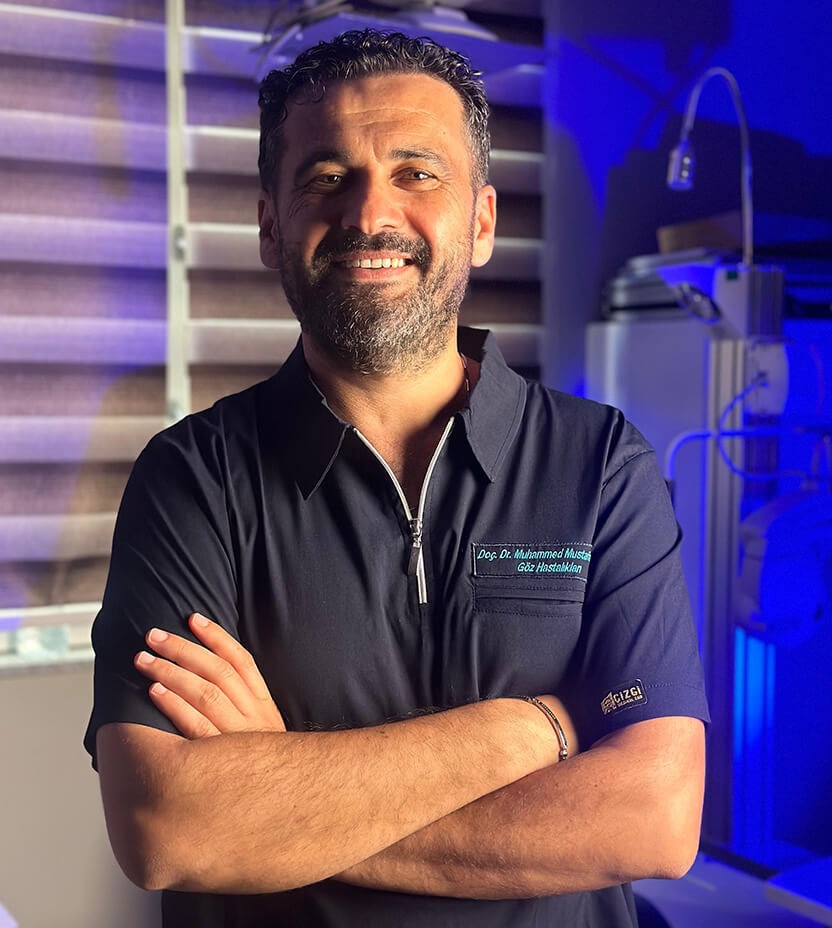
Examination and individual assessmentAssoc. Prof. Muhammed Mustafa Kurt, MD
Ophthalmologist · Atakum, Samsun
- Content preparation
- Editorial information prepared using medical sources.
- Medical review
- The content update date does not indicate that a medical review has been performed by the physician.
Source: the article “Inward-Turning Eyelid (Entropion) Treatment in Samsun” on the practice’s existing website. No additional medical references were specified in the original article.
This article is for general information and does not replace a medical examination. Diagnosis, suitability for treatment and follow-up are determined individually after an eye examination.