

Children's eye health care in Samsun addresses visual development, age-appropriate screening and childhood eye problems through examination, treatment and family support.
Children cannot always describe a difference in their vision; a problem in one eye may go unnoticed because the other sees well. Assessment is adapted to the child's age and development. During a consultation with Assoc. Prof. Muhammed Mustafa Kurt, MD, family observations and examination findings can be considered together.
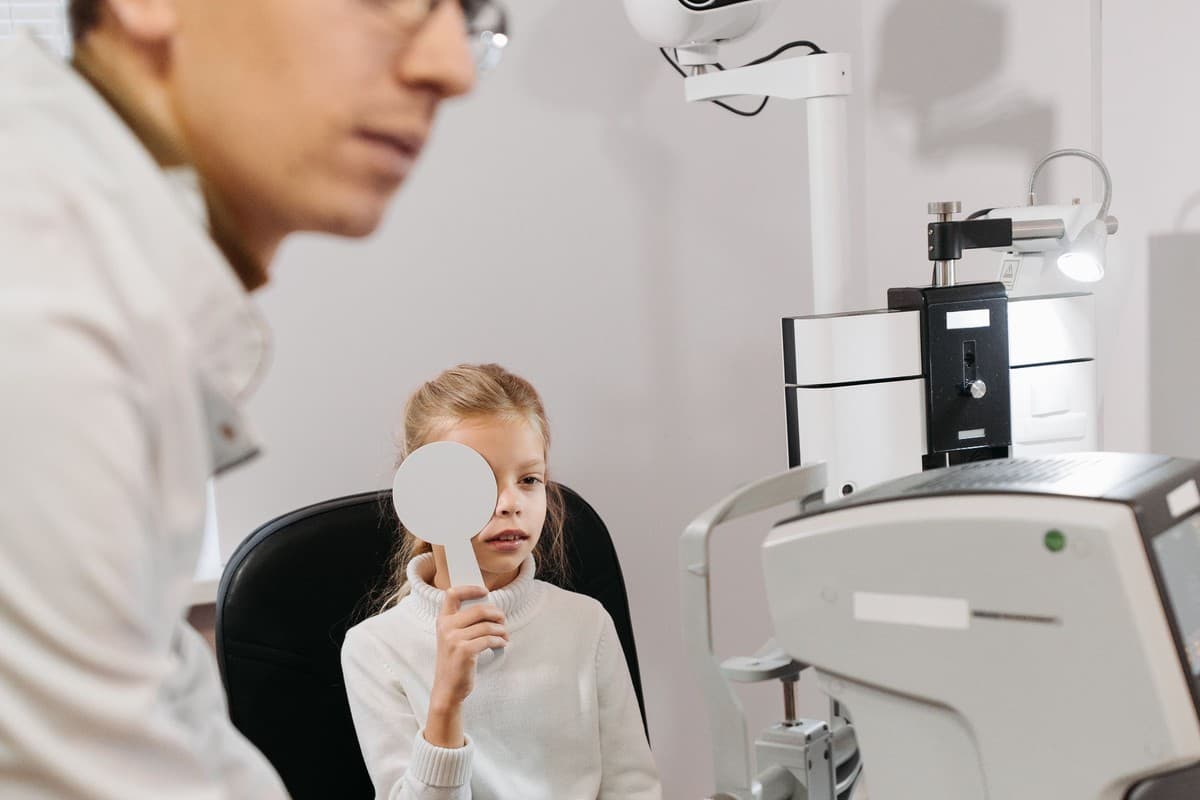
Visual development and early recognition
Vision develops throughout childhood as the brain uses information from the eyes. Problems that prevent a clear image from reaching the brain can affect this development. A baby's ability to follow an object, the direction of the eyes and the appearance of the pupils are important in assessment.
Premature birth, a family history of childhood eye disease or developmental problems may change follow-up needs. A child does not have to reach school age to have a vision problem. The timing of examinations and follow-up should be planned with these risks in mind.
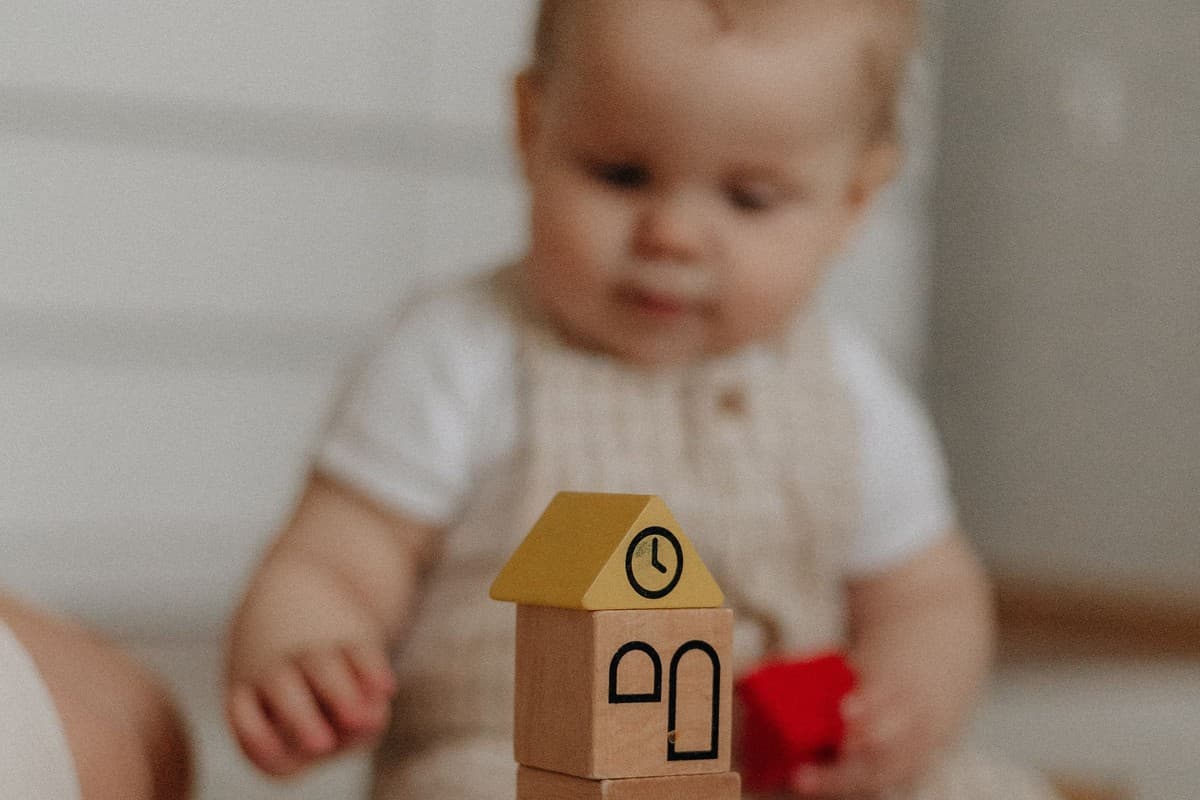
The difference between screening and a detailed examination
Vision screening aims to identify children who need a more detailed assessment for eye problems. Screening does not replace a definitive diagnosis or a full examination. Suspicious findings should be assessed by an eye specialist.
Pictures, object tracking or suitable screening devices may be used for young children. Vision can also be assessed in a child who cannot recognise letters. Methods are chosen according to age and communication skills; a single test cannot rule out every problem.
An age-appropriate eye examination
Vision, eye movements and the structures of the eye are examined using methods suited to the child. At a consultation with an eye doctor in Samsun, discuss birth history, previous glasses and any family history of eye disease. Mention observations such as tilting the head, closing one eye or looking at things very closely.
When needed, the prescription is measured using drops that temporarily relax the focusing muscle. This helps assess a prescription that can otherwise be affected by the child's strong focusing effort. Temporary near-vision blur and light sensitivity may occur after the drops.
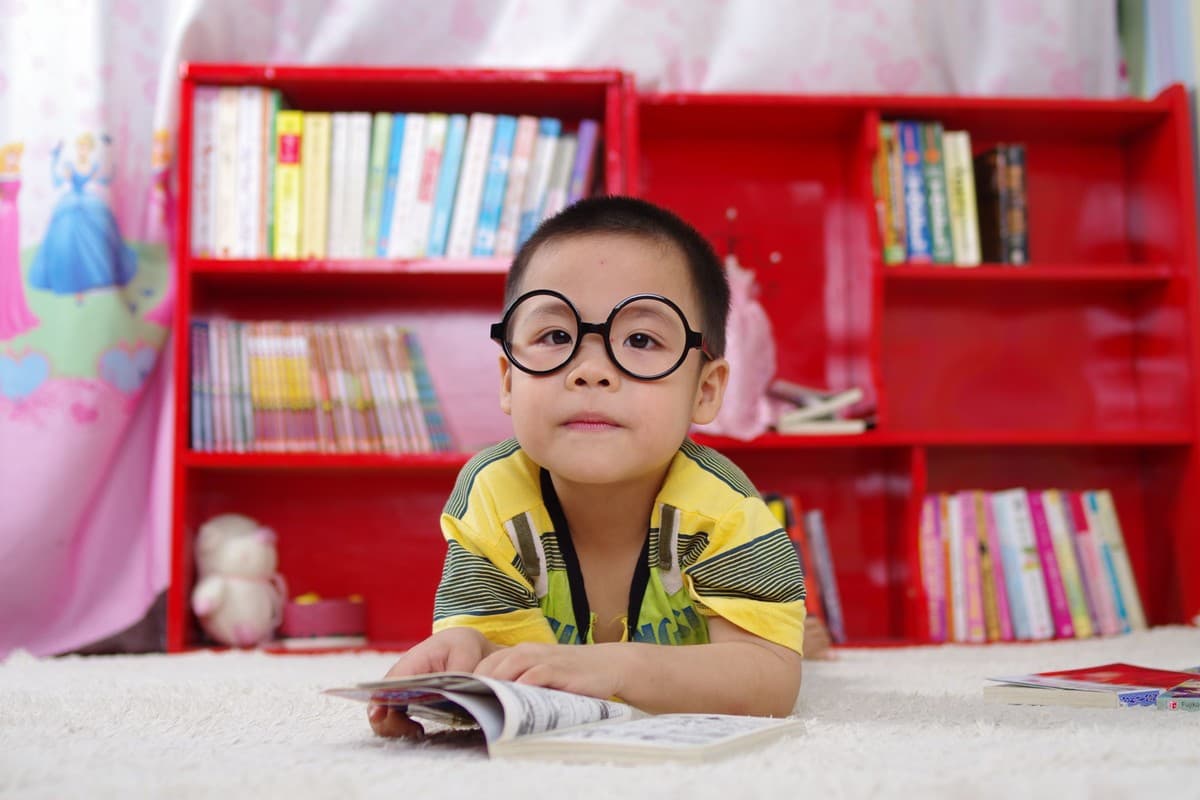
The need for glasses and amblyopia
Myopia, hyperopia and astigmatism can affect image focus in children. When the prescriptions of the two eyes differ, the family may not notice an obvious problem. The need for glasses is not determined solely by whether the child can read the classroom board.
Amblyopia, also called lazy eye, is vision that has not developed to the expected level during childhood. Appropriate glasses and, in selected cases, patching or eye drops may be considered. The method and duration are tailored to the child's findings; families should not start patching on their own.
Following treatment and attending regular check-ups are important. Early assessment offers an advantage for visual development. Older children can also be assessed; it is not correct to say that all treatments become ineffective after a single age threshold.
Strabismus and problems that may require surgery
Strabismus means that the two eyes do not point in the same direction. Some similar-looking conditions do not involve a true misalignment; examination distinguishes them. Glasses, amblyopia treatment and surgery when needed may be used for different goals.
Paediatric eye surgery may be considered for selected cases of strabismus, childhood cataract or other structural problems. The timing of surgery is related to visual development. Glasses or amblyopia follow-up may continue after surgery; aligning the eyes does not, by itself, resolve every vision problem.
Findings that should not be left waiting
A white reflection in the pupil requires an eye examination without delay. Repeated white reflections in photographs should also be reported. This finding does not, by itself, diagnose a specific disease; its cause needs investigation.
Sudden vision changes, a new obvious eye turn, a painful red eye or an injury also require prompt assessment. The degree of vision loss cannot be determined from the child's behaviour alone. It is not appropriate to wait a long time for symptoms to resolve on their own.
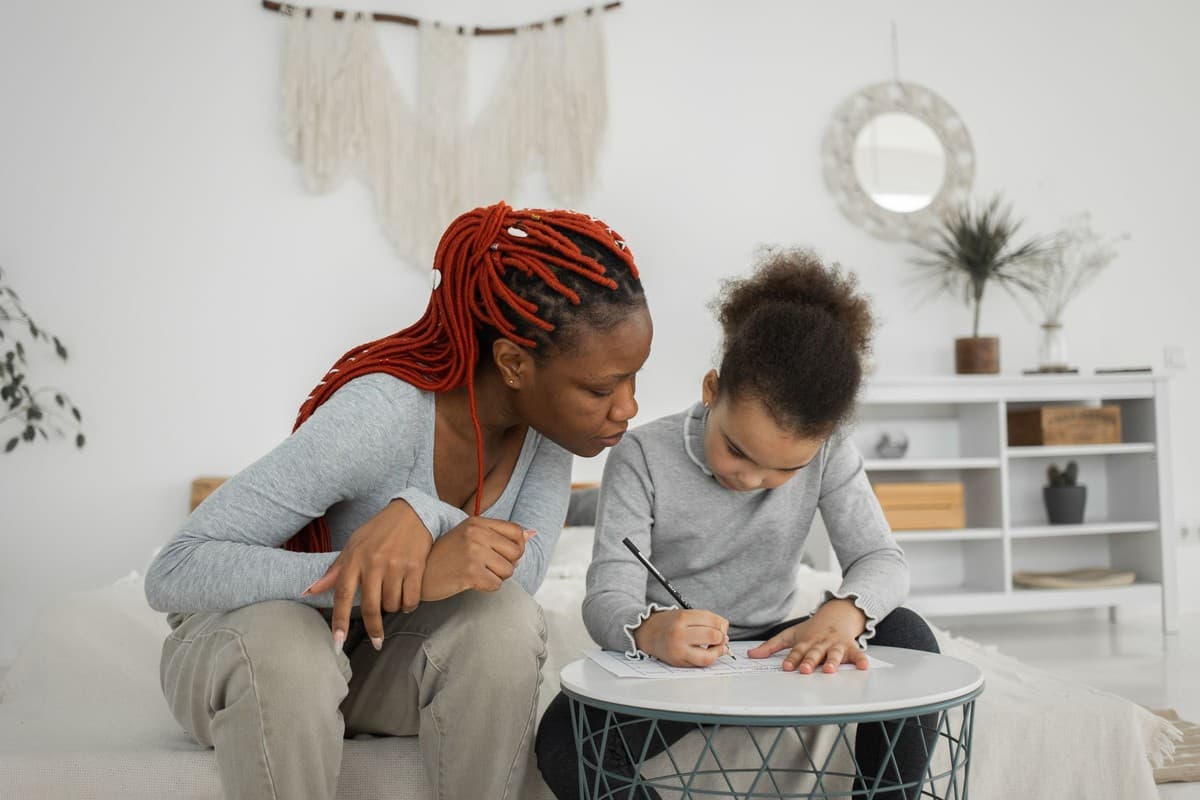
Family, school and daily habits
Support from family and school helps sustain glasses use and the follow-up plan. Glasses fit, comfort during play and teachers' observations should be discussed. The purpose of treatment should be explained without blaming the child.
Appropriate outdoor activity and breaks during close work are daily eye health habits. Screen routines are assessed according to age and living circumstances. These habits do not replace glasses, patching or necessary surgery; follow-up intervals vary by child.

Children's Eye Health Care Costs in Samsun in 2026
Cost depends on the problem being assessed, together with the examination and tests needed. Screening, amblyopia follow-up and surgery involve different levels of care. No fixed amount or estimated fee is given without considering the child's age, findings and monitoring needs.
Conclusion
Children's eye health care in Samsun aims to support visual development through age-appropriate examination and follow-up. Screening, diagnosis and treatment do not replace one another. Family observations, regular check-ups and combining different treatments when needed are important.
Frequently Asked Questions
Can vision be measured in a child who does not know letters?
Yes. Assessment can use pictures, object tracking and age-appropriate methods.
Is screening unnecessary if a child says they can see well?
No. A problem in one eye may go unnoticed; screening and examination when needed investigate this.
Does strabismus surgery end the need for patching?
Not always. Eye alignment and visual development are assessed separately; patching or glasses may still be needed after surgery.
Should a white pupil in a photograph be taken seriously?
Yes. It should be assessed without delay, especially if it recurs; a photograph alone cannot establish the exact cause.
About this article
Last updated 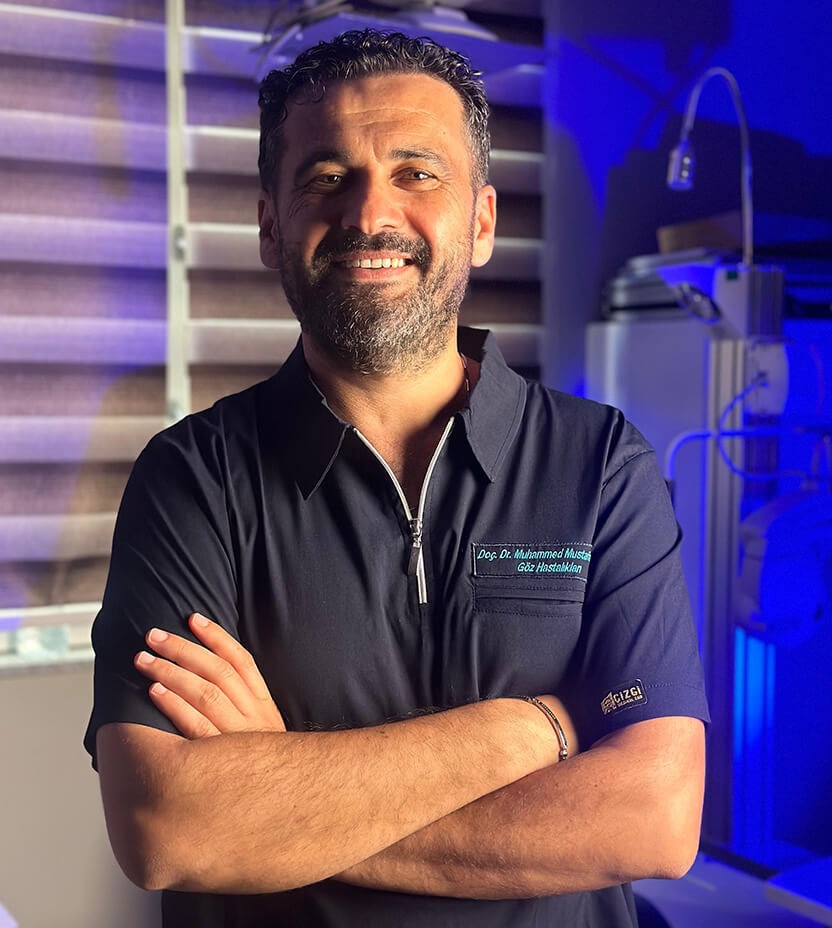
Examination and individual assessmentAssoc. Prof. Muhammed Mustafa Kurt, MD
Ophthalmologist · Atakum, Samsun
- Content preparation
- Adapted from information provided for the practice.
- Medical review
- The content update date does not indicate that a medical review has been performed by the physician.
Source: the Word document titled “Children's Eye Health” provided for the practice. No additional medical references were specified in the original text.
This article is for general information and does not replace a medical examination. Diagnosis, suitability for treatment and follow-up are determined individually after an eye examination.