

Oculoplastics in Samsun addresses problems of the eyelids, tear drainage system and eye socket, with attention to protecting the eye surface, visual function and individually appropriate treatment.
Changes around the eyes are assessed for eyelid closure and tear distribution as well as appearance. The same symptom can have different causes. During a consultation with Assoc. Prof. Muhammed Mustafa Kurt, MD, functional problems, examination findings and expectations of a procedure can be considered together.
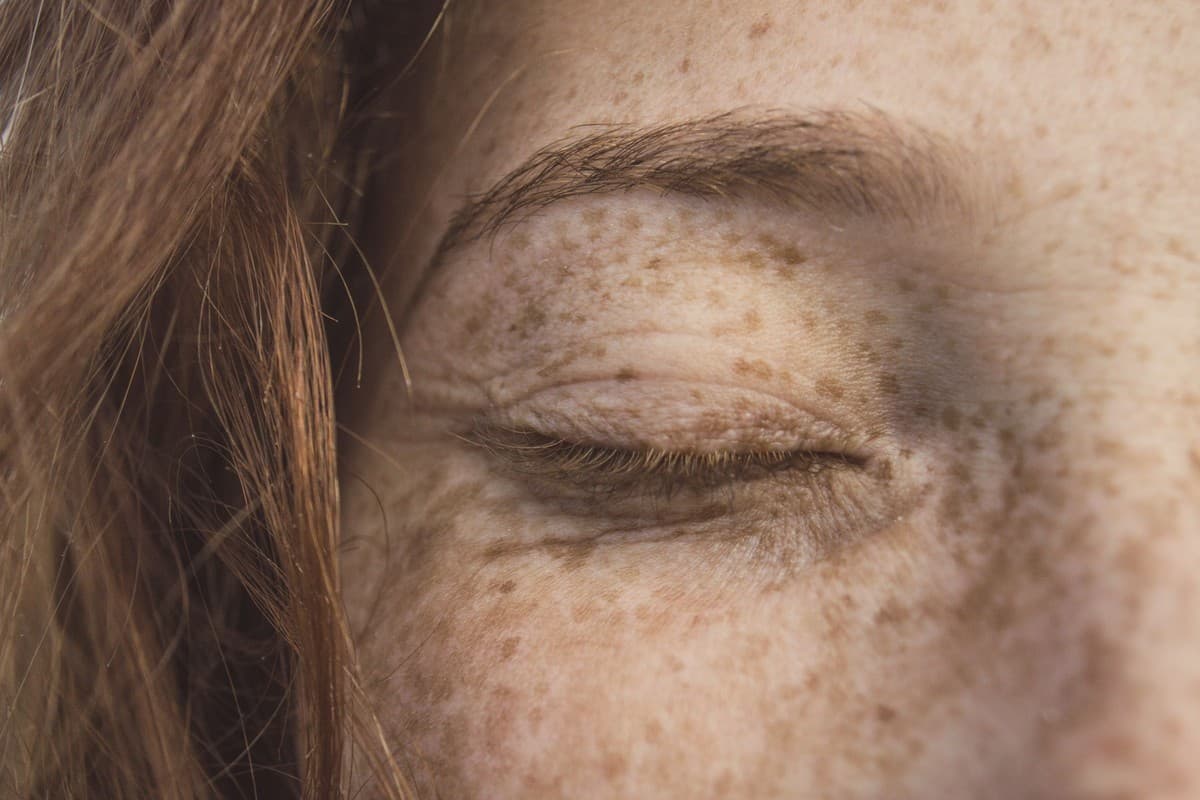
The function of the eyelids and surrounding structures
The eyelids protect the eye surface and help spread tears across it. Changes in eyelid position can cause irritation, watering or a restricted visual field. Oculoplastics involves more than procedures to change appearance.
The eye socket is the bony cavity containing the eyeball and surrounding tissues. Masses, injuries or other conditions in this area may need assessment. Report new double vision, marked bulging of an eye or vision loss without delaying examination.
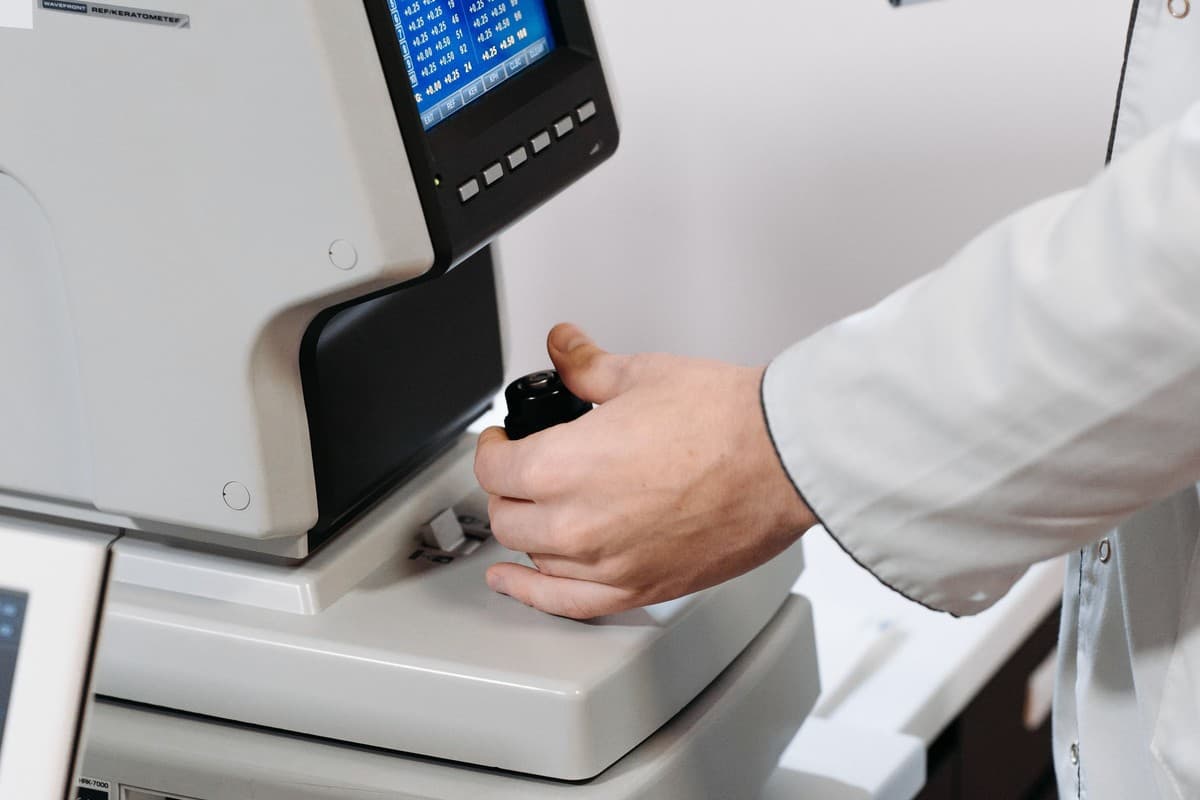
Distinguishing excess skin from a drooping eyelid
Blepharoplasty is surgery to adjust excess eyelid skin or fat in selected patients. A fold of excess upper eyelid skin is not the same as a truly low eyelid margin. Examination distinguishes these conditions and checks whether they coexist.
Ptosis means that the upper eyelid margin sits lower than normal. The muscle that lifts the lid and its attachments are assessed; visual development is especially important in children. Removing excess skin does not correct every cause of ptosis.
Sudden drooping accompanied by double vision or a change in the pupil requires urgent assessment. Long-standing drooping also needs examination. Underlying muscle or nerve problems may be investigated before deciding on surgery.
Inward or outward turning of the eyelid
Entropion is inward turning of the eyelid, while ectropion is outward turning. With an inward-turning lid, eyelashes may rub against the eye surface. With an outward-turning lid, poor contact between the eyelid and eye may cause watering or surface dryness.
Age-related laxity, scarring or other causes can affect eyelid position. Measures to protect the eye surface and, when needed, surgery to correct the position are discussed. The choice of oculoplastic surgery depends on the cause and degree of the problem.
Watering and tear drainage problems
Persistent watering does not always mean that the tear duct is blocked. Dryness, irritation or an abnormal eyelid position can also cause watering. Tear production and the pathways that drain tears into the nose are assessed together.
In suitable adults, dacryocystorhinostomy, or DCR, creates a new drainage pathway that bypasses the obstruction. This pathway connects the tear sac to the nose. An external or intranasal approach may be considered; not every watery eye requires DCR.
Congenital tear duct problems in babies require a different assessment. A plan for adult surgery cannot be directly applied to a child. Painful swelling at the inner corner of the eye, fever or discharge requires prompt advice about possible infection.

Examination and preparation for a procedure
Examination assesses eyelid position and how well the eye surface is protected. At a consultation with an eye doctor in Samsun, discuss previous surgery, dryness and medicines. Further investigations of the tear drainage system or eye socket are performed when needed.
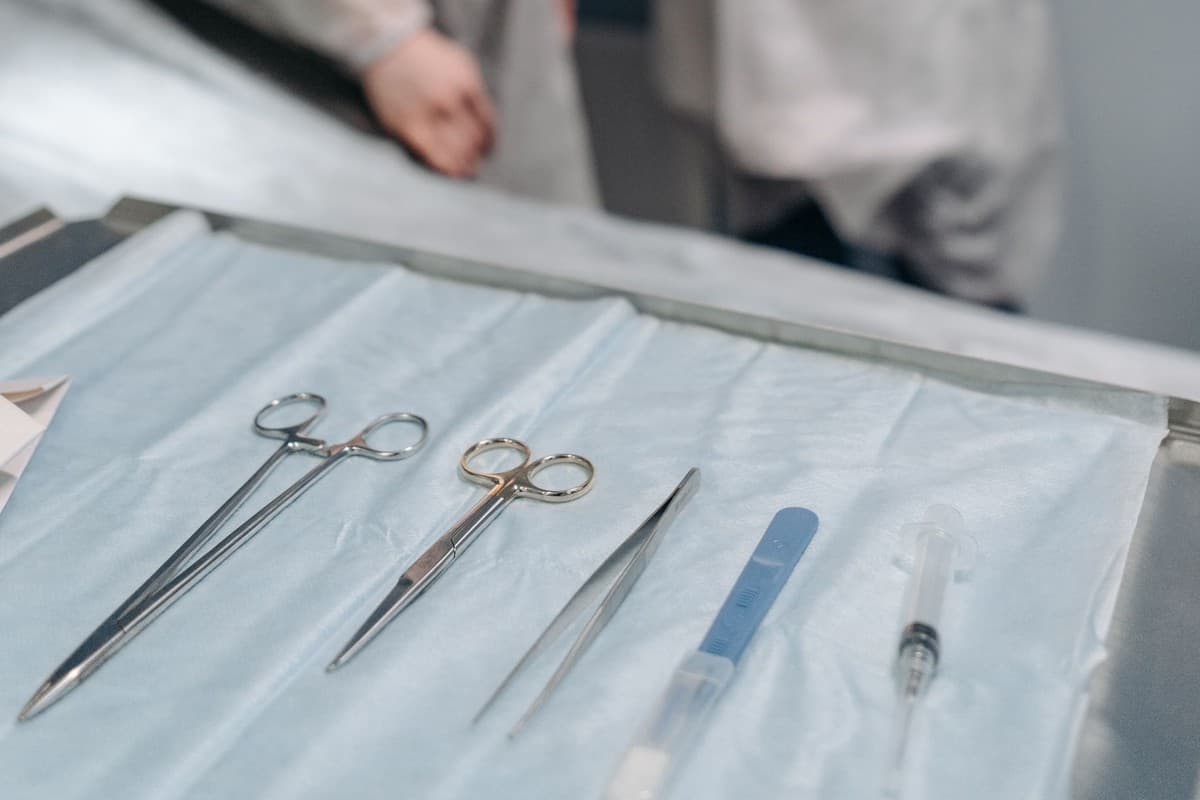
General health, bleeding risk and anaesthesia requirements are considered before a procedure. Do not stop blood-thinning medicines on your own. Any adjustment is planned with the relevant doctors; not every procedure uses the same type of anaesthesia.
Recovery and possible risks
Swelling, bruising or temporary eye surface discomfort may occur during recovery. Check-ups monitor eyelid closure, the incision and any tear duct tube. Aftercare and the return to daily activities are explained according to the extent of the procedure.
When needed, sunglasses may reduce discomfort from light and wind. Risks such as eyelid asymmetry, dryness, bleeding, infection or the need for another procedure should be discussed. Perfect symmetry or a scar-free result cannot be guaranteed.
Markedly increasing pain, a new reduction in vision or inability to close the eye should not be left waiting. Examination is needed to distinguish symptoms from normal recovery. Follow-up intervals are tailored to individual findings.
Oculoplastics Costs in Samsun in 2026
Fees relate to the extent of the eyelid, tear drainage or eye socket procedure. Whether one or both sides need treatment, investigations, anaesthesia and check-ups are also considered. No single price or estimated range applies to all these different problems.
Conclusion
Oculoplastics in Samsun examines both the appearance and function of the area around the eyes. Drooping lids, abnormal eyelid position and watering can require different treatments. Decisions should be based on the safety of the eye surface and individual examination findings.
Frequently Asked Questions
Does blepharoplasty correct every drooping eyelid?
No. Excess skin and ptosis are different problems; whether they coexist also needs assessment.
Does watering always require tear duct surgery?
No. The eye surface and eyelid position can also cause watering; examination determines the cause.
Should blood thinners be stopped before eyelid surgery?
Do not stop them on your own. Doctors plan this by assessing bleeding and general health risks together.
Can perfectly matching eyelids be guaranteed?
No. Natural asymmetry, healing and tissue characteristics can affect the result; the possibility of further correction should be discussed.
About this article
Last updated 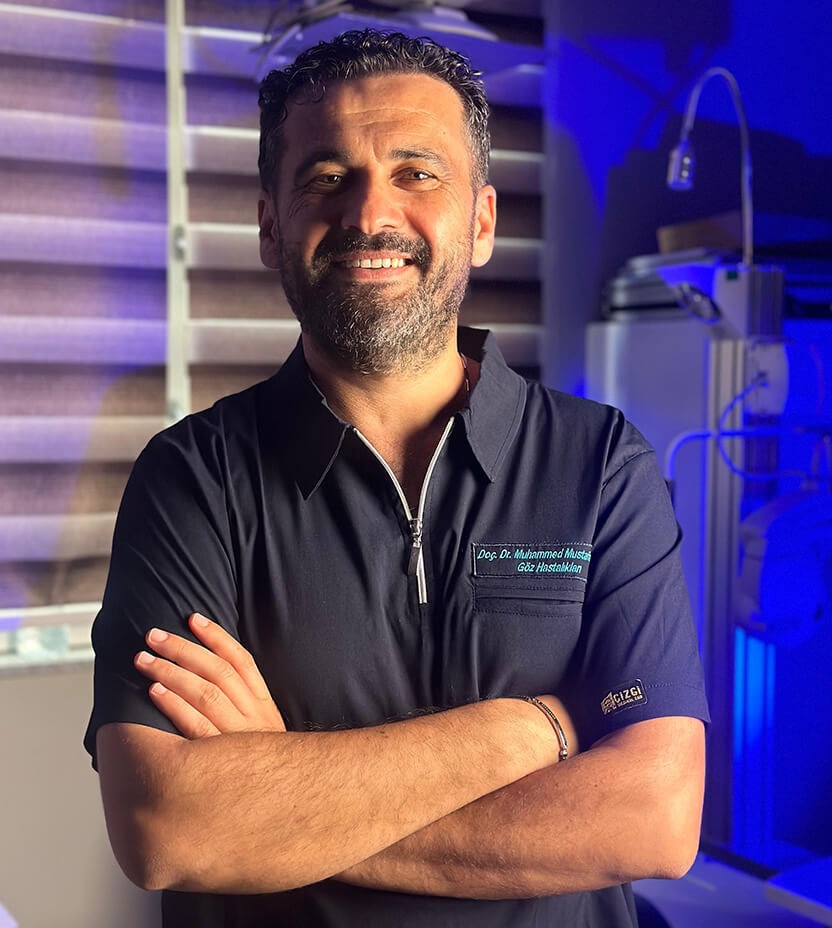
Examination and individual assessmentAssoc. Prof. Muhammed Mustafa Kurt, MD
Ophthalmologist · Atakum, Samsun
- Content preparation
- Adapted from information provided for the practice.
- Medical review
- The content update date does not indicate that a medical review has been performed by the physician.
Source: the Word document titled “Oculoplastics” provided for the practice. No additional medical references were specified in the original text.
This article is for general information and does not replace a medical examination. Diagnosis, suitability for treatment and follow-up are determined individually after an eye examination.