

Corneal Transplant (Keratoplasty) in Samsun is corneal transplant surgery in which all or specific layers of a diseased or damaged cornea are replaced with healthy donor tissue.
The main aim is to establish the appropriate diagnosis or treatment plan from the person’s eye examination findings. Samsun eye doctor : an examination is the first step in assessing the eye’s structure, the existing condition and possible risks together.
Assoc. Prof. Muhammed Mustafa Kurt, MD : assessment considers the patient’s symptoms, examination findings and necessary measurements together. After explaining expected benefits and possible risks, treatment is planned individually.
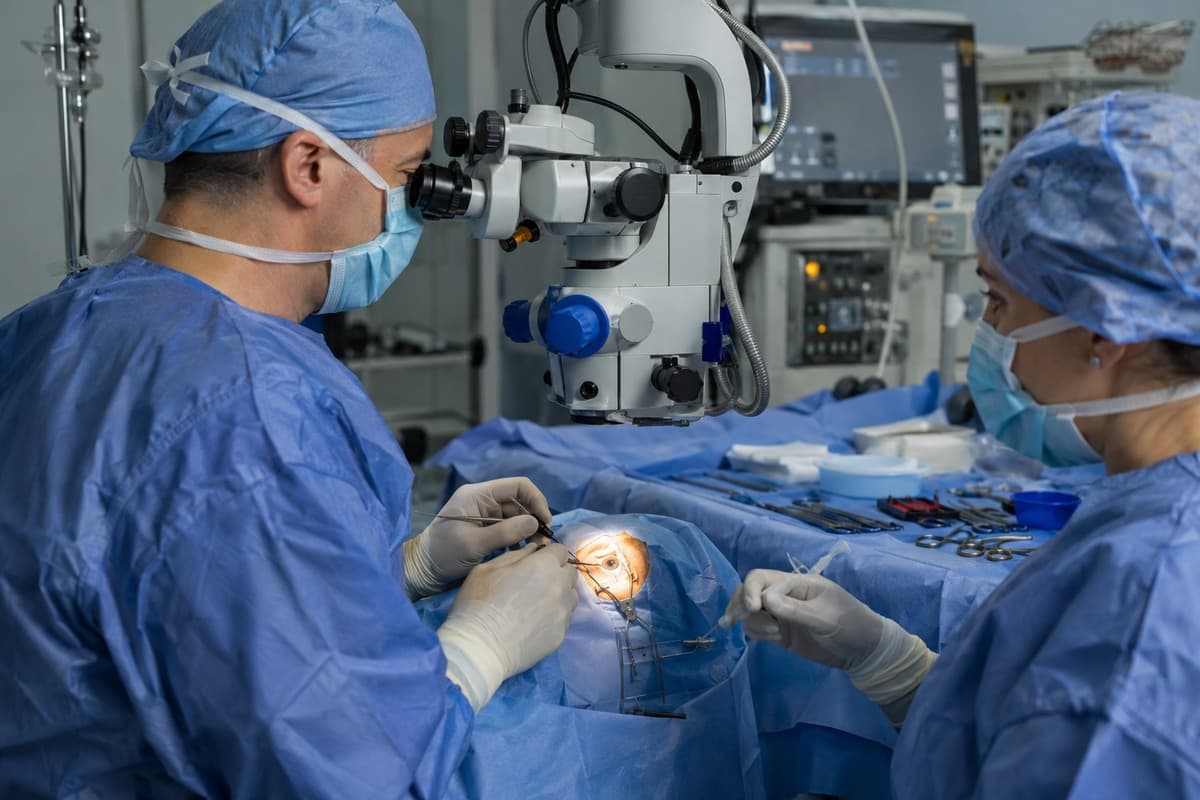
What is keratoplasty?
Keratoplasty is a surgical procedure in which the entire cornea, which has lost its transparency or normal structure, or its diseased layer, is replaced with donor corneal tissue. The aim is to improve vision, reduce pain, or maintain the structural integrity of the eye in selected patients.
Because the cornea is composed of multiple layers, a full corneal transplant isn't always necessary. Depending on which layer of the cornea is affected, either a full graft or lamellar grafts – which involve the partial transfer of layers – can be planned.
What diseases is keratoplasty used for?
Advanced keratoconus, corneal scars, certain corneal dystrophies, endothelial dysfunction, persistent corneal clarity loss due to trauma, and some infections that progress despite medical treatment may require keratoplasty.
The decision regarding the procedure is not solely based on visual acuity. Factors such as corneal thickness, clarity, endothelial health, intraocular pressure, and the condition of the retina and optic nerve all influence the expected outcome.
When does corneal transplantation become a topic of discussion?
When standard vision correction methods like glasses, contact lenses, or limited corneal treatments are insufficient, or when corneal scarring becomes prominent or the integrity of the cornea is threatened, a transplant may be considered. In cases involving urgent infections or perforation risks, the primary goal may be to preserve the overall health of the eye, rather than solely focusing on vision.
What types of keratoplasty are there?
In penetrating keratoplasty, the entire thickness of the cornea is altered. With DALK (Deep Anterior Lamellar Keratoplasty) technique, only the anterior and middle layers of the cornea are replaced, while preserving the healthy endothelium. For endothelial diseases, techniques such as DMEK or DSAEK, which target the posterior layer, can be used.
The method chosen depends on which layer of the cornea is affected by the disease. In some cases, a method requiring less tissue alteration may help reduce graft problems associated with immunity, but it is not suitable for every technique or every patient.
What Is the Difference Between Penetrating Keratoplasty and DALK?
In penetrating keratoplasty, the full thickness of diseased cornea is replaced with donor tissue. In DALK, the patient’s own endothelial layer is preserved. DALK may be preferred in some conditions, such as keratoconus, where the endothelium is healthy.
Corneal Preparation Process Before Keratoplasty
Before the surgery, the cornea and eye surface are thoroughly evaluated. Eye pressure, the retina, and the optic nerve are examined, and any infections or surface inflammation are addressed. Medications used and any previous eye surgeries are taken into account when planning the surgical procedure.
The donor cornea tissue is evaluated within corneal banking procedures and matched with an appropriate surgical plan. Patients should be clearly informed that the healing process may be lengthy and that glasses or contact lenses may be required after the transplant.
How to perform a keratoplasty?
During the surgery, diseased corneal tissue is removed to the planned size and depth. Depending on the chosen method, the donor cornea – either its full thickness or a specific layer – is implanted into the recipient’s eye. Sutures may be used in full corneal and anterior lamellar grafts; in some endothelial grafts, the donor tissue is maintained in situ with air or gas support.
The method of anesthesia is determined based on the patient’s overall condition and the surgery being performed. The duration of the procedure varies depending on the technique used and whether any additional surgery is required in the eye.
Post-Keratoplasty Recovery Process
Recovery from a corneal transplant may take longer than from many other eye operations. Clearer vision depends on reduced corneal swelling, the effects of sutures, astigmatism and the health of other eye structures.
The checks can be performed more frequently in the initial stages, and then with longer intervals afterward. Regular use of eye drops prescribed by a doctor is important for the preservation of the graft.
When should stitches be removed after keratoplasty?
Not all sutures are removed at the same time in every patient. Corneal healing, astigmatism and suture tension are assessed; some sutures may be removed selectively or left in place for a long time. The decision is made at follow-up examinations.
What are the signs of graft rejection in corneal transplant?
New redness, pain, light sensitivity or reduced vision may indicate graft rejection or another complication. If these symptoms occur, do not wait for the scheduled follow-up appointment.
Graft rejection does not always mean permanent failure. Some episodes recognised early may respond to medical treatment. It is therefore important for patients to know the warning signs.
What are the risks of keratoplasty?
Possible complications include graft rejection, infection, increased intraocular pressure, suture problems, astigmatism, wound opening and retinal complications. Risks vary according to the transplant type and the eye’s initial condition.
Even if the donor tissues are assessed to meet standards, no surgical procedure carries zero risk. The anticipated benefits and potential risks should be discussed with the individual on a personalized basis before the surgery.
How to Obtain a Donor Cornea
Corneal tissue is obtained from suitable donors through the eye banking system, assessed against medical criteria and screened for infection. The surgical team selects tissue suited to the condition and the planned transplant technique. The donor’s glasses prescription and eye colour are not the main factors determining the visual outcome after transplantation.
Why does astigmatism occur after corneal transplant?
The method of corneal healing and the tension of the sutures used can affect corneal curvature. Consequently, astigmatism is frequently observed after corneal transplantation. Selective removal of sutures, as well as the use of glasses or contact lenses, and sometimes additional refractive procedures, may be part of the visual rehabilitation process in some patients.
Following corneal transplant, returning to daily life.
Early on, protect the eye from injury, avoid strenuous exertion and maintain eye hygiene. There is no single timetable for returning to work, driving or sport. Advice is individualised according to the transplant type, vision and follow-up findings.
How long does a corneal graft last?
The long-term success of corneal grafts varies depending on the type of disease, the transplantation technique, intraocular pressure, surface health, and immune responses. While a corneal graft can remain clear for many years; however, it is not guaranteed to be successful for a lifetime, and regular follow-up is necessary.
Why is eye pressure monitored after keratoplasty?
Medications and changes related to surgery used after a transplant can affect intraocular pressure. Therefore, examinations now encompass not only the clarity of the graft, but also intraocular pressure and the optic nerve.
How to Perform Vision Rehabilitation
Even if the cornea heals, irregular astigmatism or other refractive errors may persist. When healing progresses sufficiently, eyeglasses, specialized contact lenses, or, in some cases, additional surgical options may be considered. Visual rehabilitation is often a separate process from the actual transplant itself.
Samsun Keratoplasty Prices for 2026
The prices for Samsun keratoplasty, which involves the transplant technique scheduled for 2026, can vary depending on the scope of the surgery and the required follow-up plan. It is not accurate to determine a specific price for an individual without a thorough examination and surgical planning process.
This page does not provide information regarding fees, campaigns, or discounts. Medical requirements and procedures should be explained by the relevant healthcare facility following the examination.
Conclusion
Corneal Transplant (Keratoplasty) in Samsun is an eye care service that requires appropriate patient selection and regular follow-up. Suitability should be determined by assessing all structures of the eye, rather than symptoms or a single measurement alone.
This content is intended for general informational purposes only and should not be used as a substitute for personal diagnosis or treatment. Results and the healing process may vary from person to person. If you have any concerns or require treatment, it is essential to consult with an eye specialist.
Frequently Asked Questions
What is the timeframe for vision to become clear after a cornea transplant?
Visual improvement can take weeks or months, depending on the type of visual correction performed. Vision may change over time due to stitches and astigmatism.
Can stitches be used in a corneal transplant?
In penetrating keratoplasty and some lamellar transplants, sutures are used. However, a different method is employed in endothelial transplants, and the same suture technique is not always necessary.
What Happens If Graft Rejection Occurs?
When signs of redness are detected early, some conditions may respond to medical treatment. Redness, pain, sensitivity to light, and decreased vision should be evaluated urgently.
Is eyewear necessary after corneal transplant?
Yes, particularly if you have astigmatism or other refractive errors, you may continue to need glasses or contact lenses.
About this article
Last updated 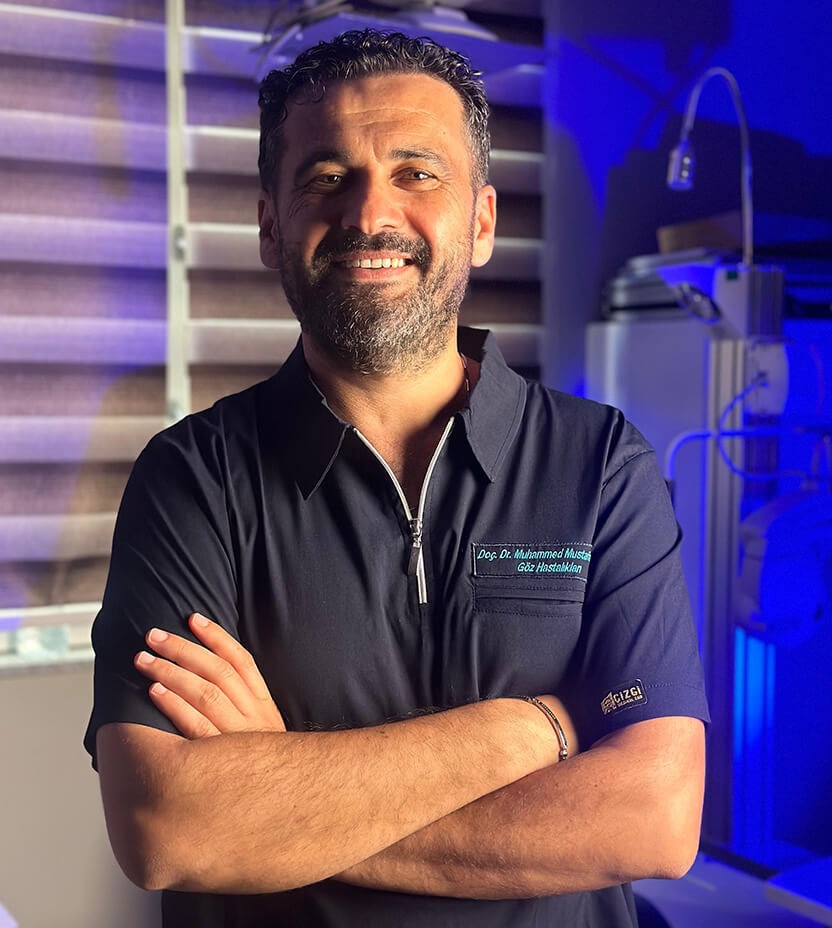
Examination and individual assessmentAssoc. Prof. Muhammed Mustafa Kurt, MD
Ophthalmologist · Atakum, Samsun
- Content preparation
- Editorial information prepared using medical sources.
- Medical review
- The content update date does not indicate that a medical review has been performed by the physician.
This article is for general information and does not replace a medical examination. Diagnosis, suitability for treatment and follow-up are determined individually after an eye examination.