

General eye care in Samsun includes examination, personalised treatment and regular follow-up for redness, dryness, changes in vision and chronic eye conditions.
Similar eye symptoms can arise from different conditions, and some problems may initially cause no symptoms. Treatment depends on examination findings and medical history as well as the presenting complaint. During a consultation with Assoc. Prof. Muhammed Mustafa Kurt, MD, you can discuss when symptoms began, previous treatments and the medicines you use.
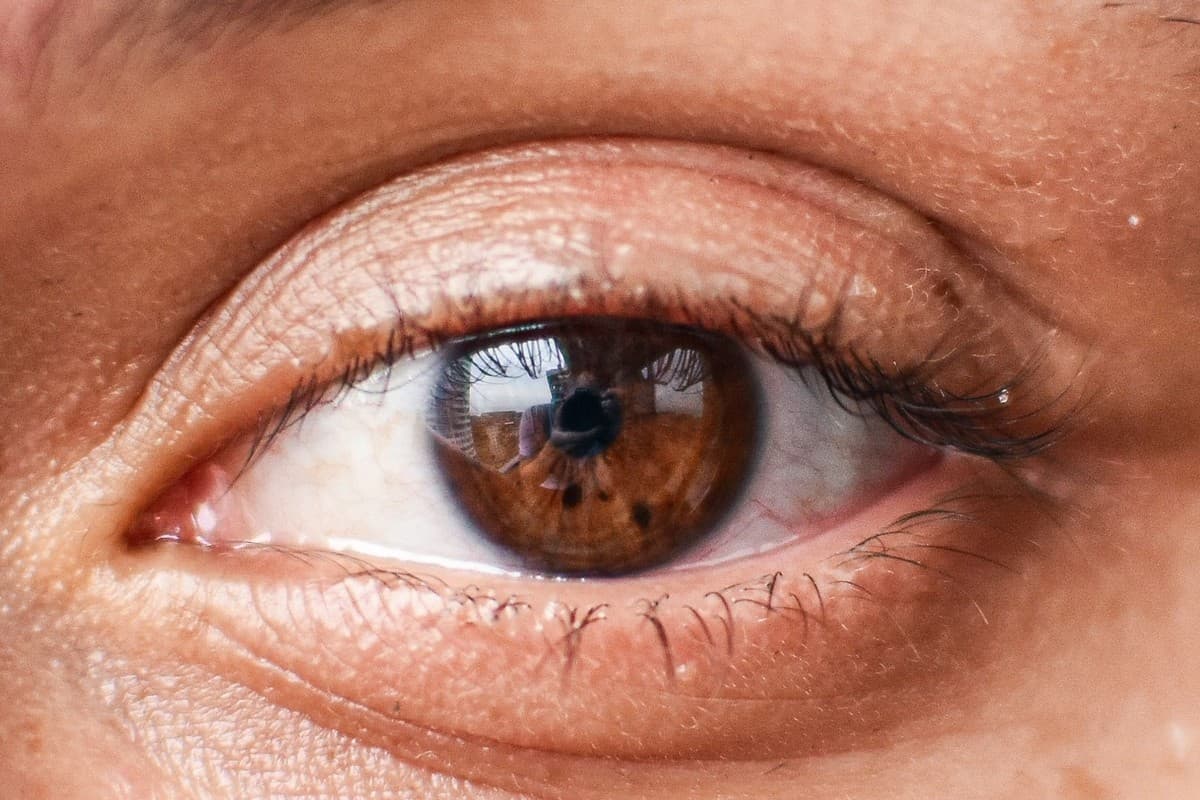
Initial assessment of eye symptoms
Assessment begins with when the problem started and how it affects vision. Whether one or both eyes are affected, and the presence of pain, discharge or light sensitivity, help guide the assessment. Contact lens use, injuries and recent surgery should also be reported.
Basic checks include measuring vision and examining the eye surface and the front of the eye. Eye pressure, the back of the eye and additional tests are assessed according to the findings. Not everyone needs the same tests or the same interval between check-ups.
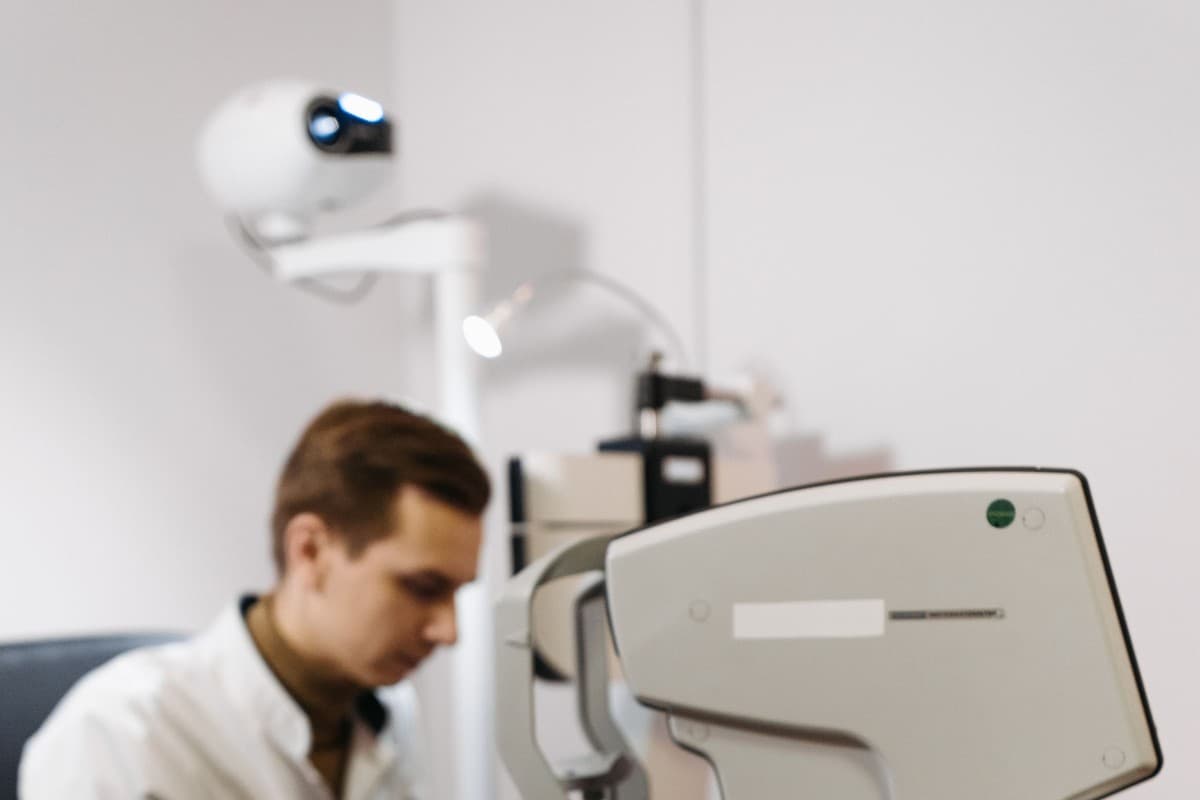
Dryness, allergies and surface problems
Burning, stinging and intermittent blurring may be related to the eye surface. Tear quantity and how long tears remain on the surface are assessed alongside eyelid structure. Screen habits, environmental conditions and medicines can affect symptoms.
Itching and watering can occur with allergies, but these symptoms alone do not establish a diagnosis. Tear supplements or appropriate medicines are selected according to the cause. Not every red eye requires antibiotics; viral, bacterial and allergic conditions need different approaches.
Monitoring uveitis and inflammation inside the eye
Uveitis refers to inflammatory conditions inside the eye. Pain, light sensitivity, floaters or changes in vision may occur. It is different from simple surface redness; the assessment identifies which part of the eye is affected.
In some people, infections or conditions involving the immune system are investigated. Treatment is tailored to the cause and affected area, with other specialties involved when needed. With corticosteroid treatment, eye pressure and structures such as the lens also need monitoring.
Why is regular monitoring important in glaucoma?
Glaucoma is a group of conditions that can damage the optic nerve. Common types may cause no noticeable symptoms early on. Diagnosis and follow-up assess the optic nerve and visual field as well as eye pressure.
Treatment aims primarily to reduce the risk of progression rather than reverse existing damage. Drops, laser treatment or surgery may be considered for suitable patients. A normal pressure reading on one occasion does not, by itself, show that glaucoma is absent or that follow-up is unnecessary.

Planning medical treatment and eye drop use
Medical eye treatments include medicines appropriate to the diagnosis and a follow-up plan. The purpose of each drop, how it should be used and when follow-up is needed should be explained. Similar-looking bottles do not necessarily have the same effects or instructions for use.
Wash your hands before using drops, and keep the bottle tip from touching the eye or skin. Follow the product instructions for how long it can be used after opening. Do not share medicines; report side effects or difficulty using them to your doctor rather than changing treatment yourself.
Feeling better does not necessarily mean that long-term treatment has ended. Particularly in conditions such as glaucoma, check-ups guide the ongoing plan. Knowing all the medicines a person uses helps assess interactions and side effects.

General health and eye check-ups
General health conditions such as diabetes can affect the structures of the eye. Retinal changes may not noticeably affect vision at first. Eye assessments should be planned alongside management of the underlying condition; seeing well alone does not prove that the back of the eye is healthy.
At a consultation with an eye doctor in Samsun, mention any family history of glaucoma, chronic conditions and previous surgery. Follow-up intervals are tailored to age, risk and current findings. Report changes in everyday vision or new symptoms without waiting for the scheduled check-up.

Symptoms that require urgent assessment
Sudden loss of vision or a painful, light-sensitive red eye may require urgent examination. Do not wait if severe eye pain occurs with nausea and blurred vision. A painful red eye in a contact lens wearer also needs prompt assessment for infection.
Do not delay assessment after a chemical comes into contact with the eye. Trying to suppress symptoms with old drops can obscure the cause. These findings cannot be definitively diagnosed remotely; an in-person examination is needed.
General Eye Care Costs in Samsun in 2026
Cost varies with the cause of the symptoms, the tests needed and the scope of treatment. An examination alone, long-term follow-up and conditions requiring a procedure involve different care. No fixed price or estimated amount is given before the findings and plan are known.
Conclusion
General eye care in Samsun aims to investigate the cause of symptoms and establish an appropriate eye health follow-up plan. Medicines, changes to daily habits and procedures when needed are selected according to individual findings. Reporting new changes in vision and following treatment are important.
Frequently Asked Questions
Does every red eye need antibiotics?
No. Treatment depends on the cause; antibiotics do not address viral or allergic problems in the same way.
Could I need a check-up even if I have no symptoms?
Yes. Some glaucoma and diabetes-related eye changes may cause no symptoms early on.
Can I start using my old steroid eye drops again?
Do not restart them without an examination. Incorrect use can affect an infection and create risks such as raised eye pressure.
Should I wait for my appointment if eye pain occurs with reduced vision?
No. Urgent assessment is needed; seek medical care without delay, particularly for sudden changes.
About this article
Last updated 
Examination and individual assessmentAssoc. Prof. Muhammed Mustafa Kurt, MD
Ophthalmologist · Atakum, Samsun
- Content preparation
- Adapted from information provided for the practice.
- Medical review
- The content update date does not indicate that a medical review has been performed by the physician.
Source: the Word document titled “General Eye Care” provided for the practice. No additional medical references were specified in the original text.
This article is for general information and does not replace a medical examination. Diagnosis, suitability for treatment and follow-up are determined individually after an eye examination.