

Strabismus Treatment in Samsun is a process of considering glasses, prisms and surgery suited to the type of misalignment to support the eyes working together.
Eye drift can affect vision development in childhood, and can also cause double vision and impair daily functions in adulthood. Apparent similar drifts have different causes. Assoc. Prof. Muhammed Mustafa Kurt, MD : examination can consider the onset of symptoms, the need for glasses and the vision in each eye separately.
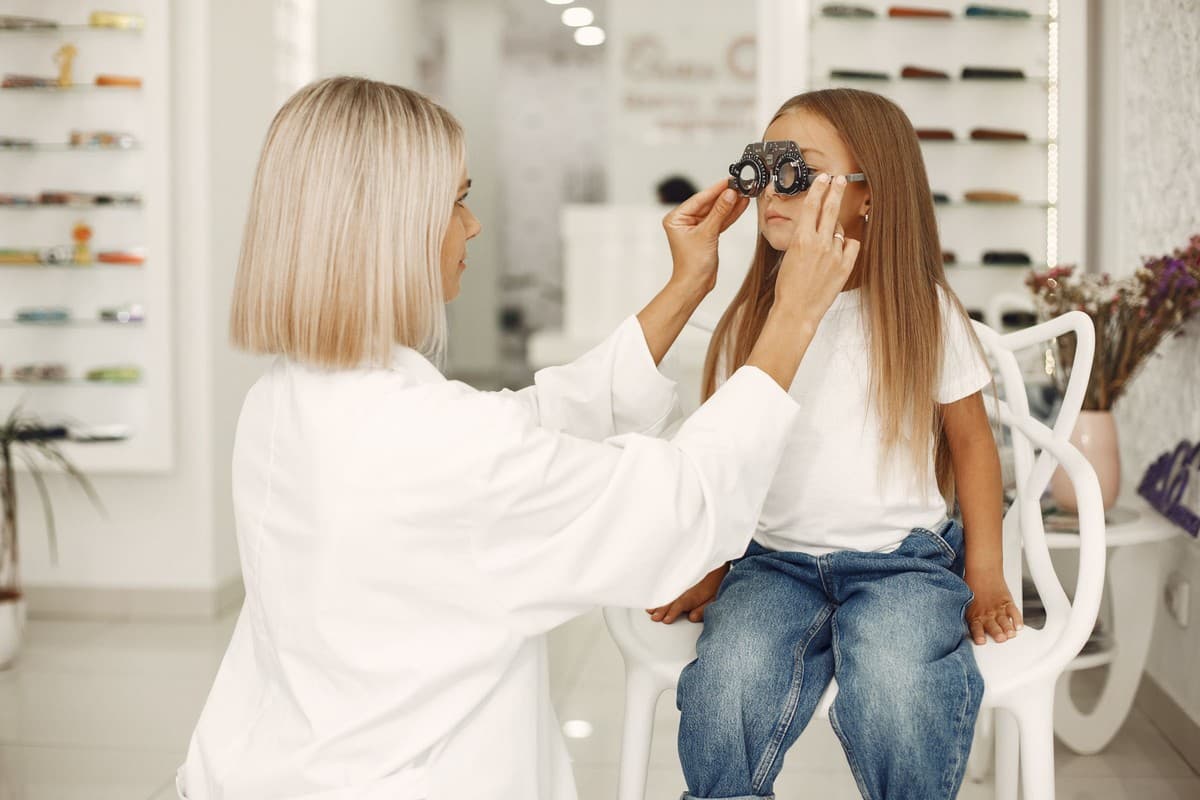
The difference between strabismus and pseudostrabismus
Strabismus is defined as the inability of the eyes to look simultaneously at the same target. One eye may turn inward, outward, upward, or downward; the misalignment can be continuous, or it may become more apparent with fatigue. Eye movements, the muscles that control them, and the visual system are all considered together.
The width of the root of the nose, like other facial features, can create a sense of misalignment, even if the eyes appear aligned. This is referred to as “false strabismus.” The appearance seen in the photograph alone is not sufficient to differentiate between the two conditions; actual misalignment is investigated through light reflection and covering tests.
Protecting visual development in children
The evaluation of strabismus in children aims to preserve visual development alongside assessing eye alignment. If the brain fails to suppress the image of the drifting eye, visual learning in that eye may be impaired. Amblyopia, a separate condition, manifests as significantly reduced vision, even with appropriate corrective lenses.
Eye misalignment does not mean every child has amblyopia. Vision in each eye, differences in refractive error and the structural health of the eyes are assessed. Covering one eye when reading, playing or watching television, or consistently tilting the head, may be among the signs noticed.
New misalignment and double vision in adults
New eye misalignment or double vision in adulthood requires assessment to determine the cause. Misalignment persisting from childhood, nerve problems, thyroid eye disease and trauma may need different treatment approaches. A photograph alone cannot establish the cause.
If sudden double vision occurs accompanied by severe headache, changes in the pupil, weakness, or speech difficulties, seek immediate medical attention. The presence of new double vision should also not be delayed. The degree of vision impairment is important considering the risk of driving and falling.
How is eye misalignment measured?
The amount and direction of misalignment are measured with eye alignment tests at near and distance. The cover test assesses the movement of one eye when the other is covered. Prism measurements use lenses that redirect the image to help determine the magnitude of misalignment.
Eye movements, binocular vision and depth perception may also be examined. In children, examination with eye drops is performed when needed to measure the prescription accurately. Samsun eye doctor : bring earlier spectacle prescriptions, details of previous operations and a list of medicines to the consultation.
Glasses, prisms and selected exercises
Glasses may improve alignment, particularly in some inward turns associated with focusing effort. Regular wear and follow-up measurements with the glasses on are important. The misalignment may resolve completely with glasses, or a residual component may need further assessment.
Prismatic lenses can assist in the merging of images in some instances of double vision; however, they do not always address the underlying cause. Scheduled exercises for specific vision problems may be beneficial. Exercises found online are not a treatment for all types of strabismus.
What does strabismus surgery change?
Strabismus surgery aims to adjust the function of the muscles outside the eye, thereby changing eye alignment. The attachment point or length of the muscle can be adjusted. The eye is not removed. Whether the procedure is performed in one eye or both eyes depends on the measurements taken during examination.
Surgery may be considered for significant misalignment that persists despite glasses, or to reduce double vision in suitable circumstances. In children, paediatric eye surgery : anaesthesia, visual development and a follow-up plan with the family are considered together. Surgery alone does not treat amblyopia; glasses and amblyopia treatment may continue.
Preparation for surgery and risks
Pre-operative measurements, previous attempts, and overall health status are reassessed. In children, general anesthesia is typically used; in adults, the method is determined on a case-by-case basis. Fasting, medication use, and the plan for returning home must be coordinated according to the instructions of the operating team.
Possible risks include undercorrection, overcorrection, persistent double vision, infection and further surgery. Rare serious complications should also be discussed. Because binocular visual potential differs between people, depth perception or permanent alignment after surgery cannot be guaranteed.
Recovery and long-term follow-up
Following surgery, redness and discomfort may be observed; the healing process varies according to the procedure performed. The recommended drops and hygiene rules should be followed, and the eyes should not be touched. The time to return to work, school, swimming, and sports will be determined based on the examination findings.
Do not wait for routine follow-up if increasing pain, significant loss of vision or heavy discharge occurs. Eye position can change over time, so follow-up is not limited to the first week. Do not stop a child’s glasses or patching schedule without medical advice.
Strabismus Treatment Costs in Samsun in 2026
The scope of strabismus evaluation includes examination, necessary measurements, and the chosen treatment effects. The requirements for surgery with muscle correction differ from those for spectacles. The anesthesia and monitoring scope required during surgery must also be specified; a cost comparison is not meaningful unless a plan specific to the individual is clarified.
Conclusion
Strabismus Treatment in Samsun requires identifying the cause of misalignment and assessing eye alignment and visual function together. The choice of glasses, prisms or surgery is based on measurements. Visual development in children, new double vision in adults and regular follow-up at every age are essential parts of treatment.
Frequently Asked Questions
If the eyes look straight, has amblyopia also resolved?
Improved eye alignment does not mean amblyopia has completely resolved. Vision in each eye is measured separately. A child may need to continue glasses or patching treatment.
Is surgery always needed for an inward turn reduced by glasses?
Not every deviation that aligns appropriately with glasses requires surgery. Residual deviation while wearing glasses and binocular vision measurements affect the decision.
Can long-standing strabismus in adults be assessed?
Long-standing adult strabismus can also be assessed. The expected benefit depends on double vision and how well the eyes can work together; age alone does not determine the decision.
Can glasses be stopped completely after surgery?
Muscle surgery does not remove the eye’s refractive error. Glasses may still be necessary. Any need for new lenses or prisms is determined at recovery checks.
About this article
Last updated 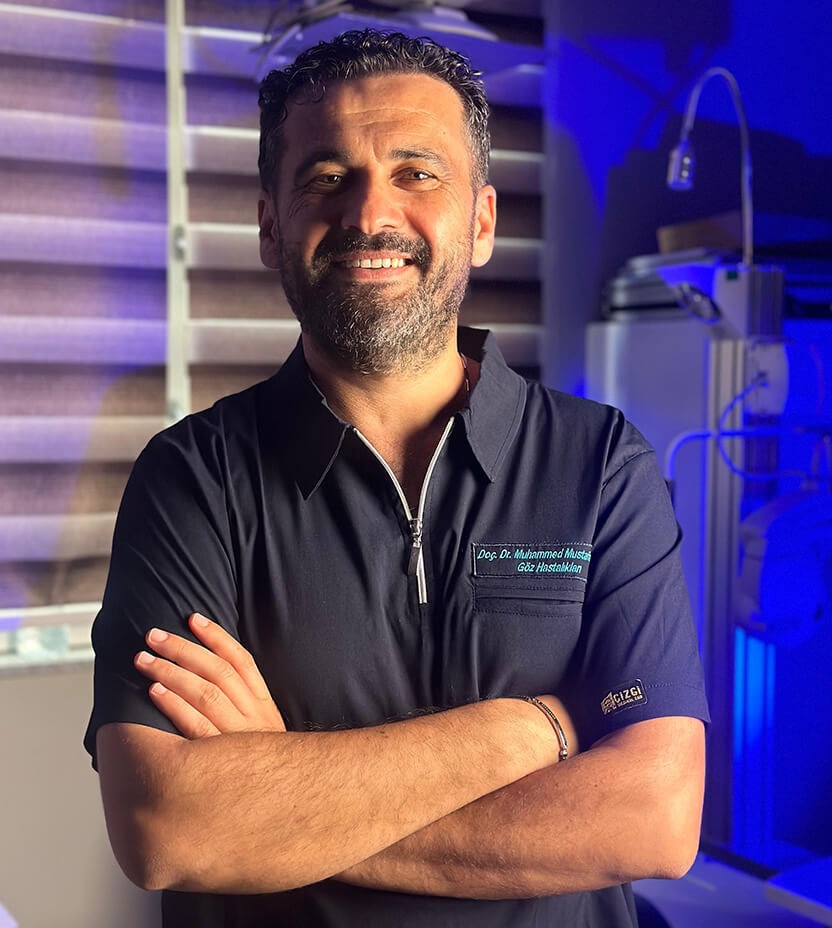
Examination and individual assessmentAssoc. Prof. Muhammed Mustafa Kurt, MD
Ophthalmologist · Atakum, Samsun
- Content preparation
- Editorial information prepared using medical sources.
- Medical review
- The content update date does not indicate that a medical review has been performed by the physician.
Source: the article “Strabismus Treatment in Samsun” on the practice’s existing website. No additional medical references were specified in the original article.
This article is for general information and does not replace a medical examination. Diagnosis, suitability for treatment and follow-up are determined individually after an eye examination.