

Conjunctivitis Treatment in Samsun is an individual treatment approach planned according to the cause of redness, watering, itching or discharge involving the conjunctiva.
The main aim is to establish the appropriate diagnosis or treatment plan from the person’s eye examination findings. Samsun eye doctor : an examination is the first step in assessing the eye’s structure, the existing condition and possible risks together.
Assoc. Prof. Muhammed Mustafa Kurt, MD : assessment considers the patient’s symptoms, examination findings and necessary measurements together. After explaining expected benefits and possible risks, treatment is planned individually.
What Is Conjunctivitis?
Conjunctivitis is inflammation of the conjunctiva, which covers the inner eyelids and the white of the eye. Redness, watering, itching, stinging, crusting or discharge may occur. It may start in one eye and spread to the other, or affect both eyes at the same time.
Conjunctivitis is not a single disease. Viral, bacterial and allergic causes, as well as chemical irritation, ocular surface dryness or other eye conditions, may produce similar symptoms. Treatment should therefore not be selected solely from the appearance of a red eye.
Differences between Viral, Bacterial, and Allergic Conjunctivitis
Viral conjunctivitis is frequently accompanied by watery discharge and a history of upper respiratory tract infections. In bacterial cases, the discharge may be more profuse and purulent. In allergic conjunctivitis, itching is prominent, and it often affects both eyes simultaneously. Due to the overlapping of symptoms, a thorough examination is necessary to differentiate between the conditions.
What are the symptoms of conjunctivitis?
Redness, watering, a feeling of a foreign object, mild burning, itching, and swelling of the eyelids are common symptoms. Discharge that causes eyelashes to stick together in the mornings may be due to bacterial causes; intense itching is more likely to be linked to allergic origins.
Marked pain, severe light sensitivity or reduced vision are not expected features of uncomplicated conjunctivitis. These symptoms require early assessment because they may indicate keratitis, uveitis or another serious eye condition.
How is conjunctivitis diagnosed?
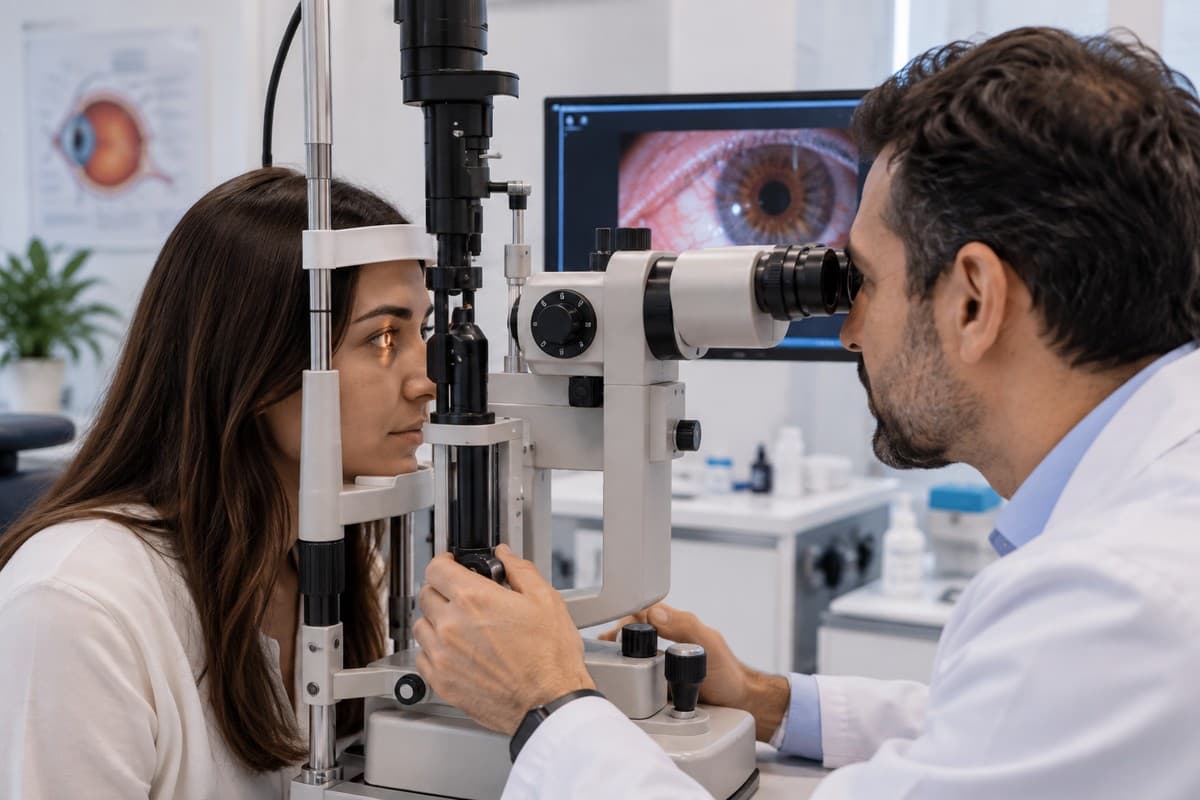
Diagnosis is usually based on the history of symptoms and a slit-lamp eye examination. The type of discharge, whether the cornea is affected, and additional findings in the eyelids and lymph nodes help identify the cause.
In cases of recurring, severe, or treatment-resistant conditions, additional tests may be necessary. It is crucial to provide information regarding contact lens use, recent infections, a history of allergies, and any eye products being used.
How is treatment for conjunctivitis planned?
Treatment varies depending on the cause. Most viral conjunctivitis can be treated with supportive care and hygiene measures. For bacterial conjunctivitis, where a specific case is considered, antimicrobial eye drops may be prescribed. In allergic conjunctivitis, avoiding allergens and treatments specifically targeting allergies are emphasized.
Using antibiotics in every red eye is not advisable. Antibiotics are generally ineffective against viral and allergic conjunctivitis. Furthermore, using eye drops containing cortisone without a doctor’s recommendation can actually worsen some infections.
When should antibiotic eye drops be used?
Antibiotic treatment is planned when there’s a clinically significant risk of bacterial infection. The type of medication, frequency, and duration should be determined by the doctor, based on the patient’s age, findings, and any accompanying risks.
Is conjunctivitis contagious?
Viral and some bacterial conjunctivitis can be contagious. Washing hands frequently, avoiding sharing personal items like towels and pillowcases, avoiding touching your eyes, and not sharing cosmetic products can help reduce the risk of transmission.
Allergic conjunctivitis is not contagious. However, due to the variable duration of contagiousness, personal advice based on a medical examination should be given regarding school, work, or close contact.
How long does conjunctivitis last?
Recovery time varies depending on the cause. Some viral illnesses may begin to improve within a few days, but symptoms can persist for a longer period. Bacterial infections can often lead to quicker relief with appropriate treatment, while allergic conjunctivitis tends to recur as long as exposure to allergens continues.
If the symptoms are worsening or not improving within the expected timeframe, a reassessment of the diagnosis is necessary.
What should be paid attention to during conjunctivitis treatment?
Contact lens use should generally be stopped while redness and discharge are present. Follow your ophthalmologist’s advice about the lens case and reusing lenses. Avoid rubbing the eyes and do not let the tip of the eye drop bottle touch the eye.
Cold compresses and artificial tears without preservatives may provide relief in some patients; however, these applications do not replace treatment of the underlying cause.
Which symptoms require an urgent eye examination?
Moderate or severe eye pain, noticeable sensitivity to light, blurred vision, a white spot on the cornea, a history of trauma, or rapid redness in a contact lens user require urgent evaluation. These symptoms may indicate more serious conditions such as corneal involvement.
It is important to seek immediate consultation with an ophthalmologist in cases of redness in newborns, or in individuals with a weakened immune system, as well as after eye surgery.
Home Hygiene During Conjunctivitis
Hands should be washed frequently, and contact with the eyes and rubbing should be minimized. Furthermore, towels, pillowcases, and eye makeup products should not be shared. To prevent the spread of contagious infections, especially within families and close contact, it is important to avoid allowing the tip of drops to touch eyelashes or the eye surface.
Can a person experiencing conjunctivitis go to work or school?
The decision to return to work or school should be made based on the reason – conjunctivitis – considering the severity of the symptoms and the risk of transmission. Particular attention should be given to hygiene and minimizing close contact, especially with viral conjunctivitis which is easily spread. School and daycare policies should also be considered, particularly for children.
What are the triggers for allergic conjunctivitis?
Pollen, dust mites, animal dander, and seasonal environmental factors can trigger allergic conjunctivitis. Intense itching is a typical sign of this type of allergy. Avoiding triggers, applying cold compresses, and allergy treatments prescribed by a doctor can be used together to control symptoms.
How is conjunctivitis evaluated in children?
Viral and bacterial infections are common in children; however, if there is severe pain, noticeable sensitivity to light, or changes in vision, a more serious condition should be considered. Similarly, eye discharge and redness in newborns require prompt medical evaluation, as these can be caused by various factors.
Can Conjunctivitis Recur?
Allergic conjunctivitis can recur periodically as exposure to triggering factors continues. Viral conjunctivitis can recur with different viruses. In cases of frequent and persistent redness, it’s important to investigate potential causes such as dry eyes, eyelid conditions, allergies, or other eye and surface problems.
When Can Eye Makeup and Contact Lenses Be Used Again?
During an active infection, it’s best to avoid eye makeup and contact lenses. The timing for restarting these products should be determined by when the redness and discharge have subsided, when the cornea appears healthy, and according to the findings of a medical examination. It’s important to be particularly careful regarding the hygiene when reusing products used during the infection period.
Samsun Treatment Costs for Conjunctivitis – 2026
In 2026, the cost of conjunctivitis treatment in Samsun may vary according to the examination and any additional investigations needed. A standard treatment or fee plan cannot appropriately be provided without identifying the cause of the condition.
This page does not provide information regarding fees, campaigns, or discounts. Instead, information regarding the necessary medical approach and procedures following the examination should be provided.
Conclusion
Conjunctivitis Treatment in Samsun is an eye care service that requires appropriate patient selection and regular follow-up. Suitability should be determined by assessing all structures of the eye, rather than symptoms or a single measurement alone.
This content is intended for general informational purposes only and should not be used as a substitute for personal diagnosis or treatment. Results and the healing process may vary from person to person. If you have any concerns or require treatment, it is essential to consult with an eye specialist.
Frequently Asked Questions
How long does conjunctivitis take to go away?
The duration varies depending on the cause. The course of viral, bacterial, and allergic types differs; if symptoms worsen or subside, a follow-up examination is necessary.
Is conjunctivitis contagious?
Viral and some bacterial types can be contagious. Allergic conjunctivitis is not contagious.
Does antibiotics always need to be used in cases of conjunctivitis?
No. Antibiotics are only effective in patients where a bacterial cause is suspected. Their routine use is not appropriate for viral or allergic conditions.
Can I continue to use contact lenses?
It is generally recommended to avoid wearing contact lenses during active redness and discharge. The timing of restarting contact lens use should be determined based on a comprehensive eye examination.
About this article
Last updated 
Examination and individual assessmentAssoc. Prof. Muhammed Mustafa Kurt, MD
Ophthalmologist · Atakum, Samsun
- Content preparation
- Editorial information prepared using medical sources.
- Medical review
- The content update date does not indicate that a medical review has been performed by the physician.
This article is for general information and does not replace a medical examination. Diagnosis, suitability for treatment and follow-up are determined individually after an eye examination.