

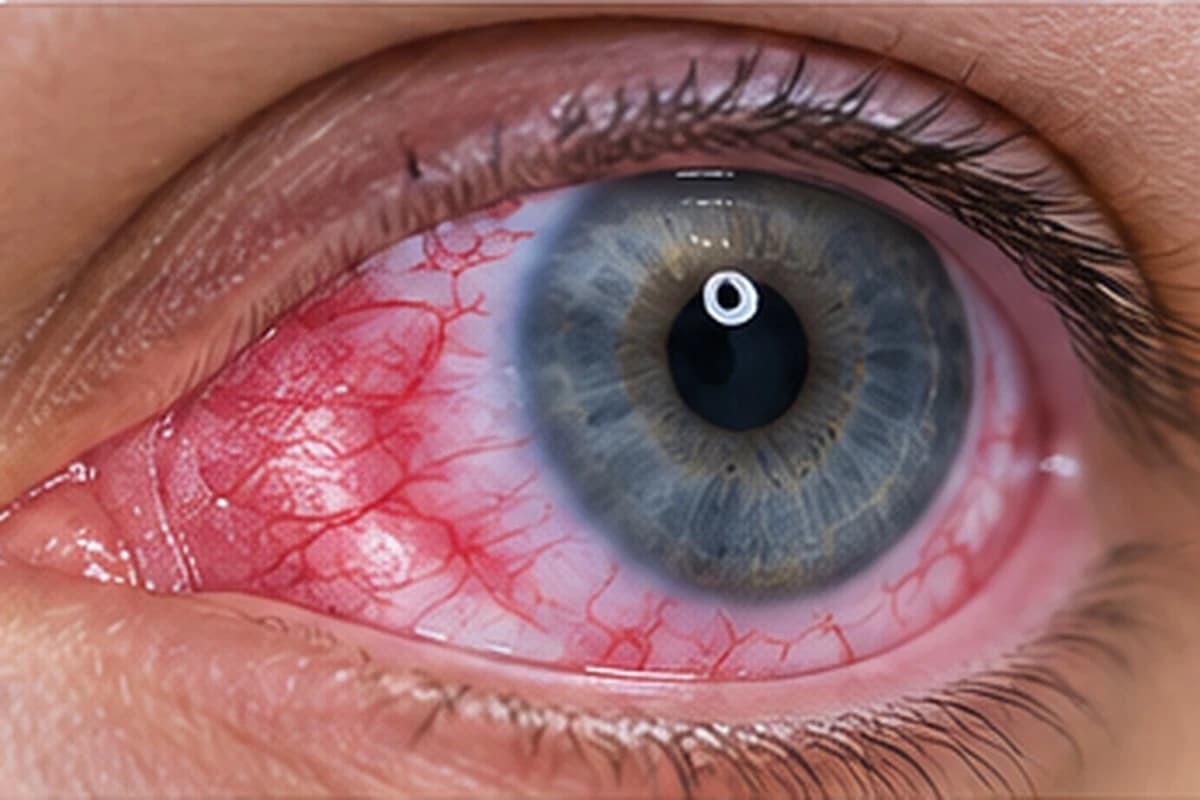
Eye infections are caused by microorganisms such as viruses, bacteria, fungi, or parasites, which can lead to disease on the surface or deeper tissues of the eye. Symptoms may include redness, discharge, watering, and a sensation of irritation; however, these symptoms alone are not sufficient to diagnose an infection. Allergies and dry eye can also cause similar symptoms.
Do not wait on the assumption that redness is minor if there is pain, light sensitivity or reduced vision. A painful red eye in a contact lens wearer particularly requires same-day assessment for corneal infection. Medication is not selected solely from the colour of discharge.
How Can an Eye Infection Be Recognised?
The symptoms vary depending on which part of the eye is affected by infection. When the conjunctiva, which covers the white part of the eye, is affected, widespread redness and discharge are common. If the infection is localized around the eyelashes, swelling is typically limited to the lid and is sensitive. If the cornea is affected, symptoms such as pain, sensitivity to light, and blurred vision are more prominent.
Eyelashes sticking together in the morning, discharge that returns during the day, a foreign-body sensation and eyelid swelling are assessed during the examination. Whether symptoms started in one eye and spread to the other, recent contact with someone who has similar symptoms, and contact lens use help with diagnosis. Not every red eye is caused by the same condition.
How Do Infection, Allergy and Dry Eye Differ?
Viral and bacterial conjunctivitis can be caused by infection. Allergic conjunctivitis is not caused by germs and is not contagious. Itching, watering and involvement of both eyes may be particularly noticeable with allergy, but these features do not replace an examination.
Dry eye can manifest as burning, stinging, and a fluctuating blurred vision that changes with blinking. Dry eye-related excessive tearing does not necessarily indicate the presence of an infection in the eye. Antibiotic eye drops do not treat allergies or dry eye. Incorrect use of drops can delay the identification of the underlying cause.
What Causes Eye Infections?
Infectious agents can be transferred by touching the eyes with dirty hands or sharing items. Wearing contact lenses longer than recommended, sleeping in them or exposing them to water may increase corneal infection risk. Foreign bodies and surface injuries also need assessment.
Some infections are limited to the edges of the eyelids, while others affect the cornea, which is the transparent front layer of the eye. Infections such as herpes may require a different medication approach. Therefore, using a medication previously given for a different eye complaint in a new episode of redness is not appropriate.
Are Eye Infections Contagious?
Contagiousness depends on the cause. Viral and some bacterial conjunctivitis can pass between people. Wash hands regularly and do not share towels, pillowcases, eye makeup or eye drop bottles. The dropper tip should not touch the eyelashes, eye or fingers.
Rubbing can increase irritation and help transfer the cause of infection to the other eye. Return to school or work is considered alongside the infection type and general condition. There is no single contagious period for every eye infection.
How Are Eye Infections Treated?
The ophthalmologist evaluates vision, the surface of the eye, the cornea, and the eyelids. When necessary, the cornea is examined or a sample is taken using special dyes. In bacterial infections, antibiotics may be required; however, a supportive approach is prioritized in a significant portion of viral conjunctivitis. Treatment for corneal infections and conditions such as herpes is planned separately.
Cortisone-containing eye drops may worsen or mask some infections. These drops should not be started without a prior examination. The frequency and duration of the prescribed treatment should not be altered; if symptoms worsen, contact the physician without waiting for the scheduled follow-up appointment. conjunctivitis treatment and keratitis treatment guides provide further information.
What Should I Consider at Home?
Take a break from contact lenses. Follow the ophthalmologist’s advice on reusing lenses, replacing care products and returning to lenses after treatment. Avoiding eye makeup and keeping personal hygiene items separate can help.
Eye tea, herbal mixtures, or homemade liquid drops should not be applied to the eyes. Cleaning and compress recommendations vary depending on the reason for the complaint. If a symptom provides temporary relief, this does not indicate that the infection has passed, or that the method being used is effective.
Which Symptoms Should Not Be Left Waiting?
Reduced vision, marked blurring or severe eye pain.
Light sensitivity, a white spot on the cornea or painful redness associated with contact lens use.
Increasing eyelid swelling with fever, pain on moving the eye or a noticeable protrusion of the eye.
Redness and discharge in a newborn baby, or new pain in a person who has recently undergone eye surgery.
It is necessary to have an eye evaluation without delay, rather than waiting for a routine appointment, in these symptoms. Providing information about the drops used for the examination to be performed in Samsun, and any contact lens care products, would be helpful for the evaluation.
Frequently Asked Questions
Can an eye infection clear up on its own?
Some viral conjunctivitis may improve over time. However, the cause of redness cannot be established without examination. Do not wait for it to settle on its own if there is pain, light sensitivity or a change in vision.
Does every eye infection require antibiotics?
No. Antibiotics do not work against viruses or allergy. The medicine needed depends on the part of the eye affected and examination findings.
How many days does an eye infection last?
The duration depends on the cause, the tissue involved and the treatment used. The same number of days cannot be given for every patient. Worsening symptoms or reduced vision during treatment require an earlier review.
About this article
Last updated 
Examination and individual assessmentAssoc. Prof. Muhammed Mustafa Kurt, MD
Ophthalmologist · Atakum, Samsun
- Content preparation
- Editorial information prepared using medical sources.
- Medical review
- The content update date does not indicate that a medical review has been performed by the physician.
This article is for general information and does not replace a medical examination. Diagnosis, suitability for treatment and follow-up are determined individually after an eye examination.